

How to Reduce Muscle Soreness After Exercise: 3 Proven Methods | Fit Life Boost
To manage delayed onset muscle soreness, you can use a combination of light movement, protein intake, and controlled temperature therapy to help your body recover after exercise. These methods work by increasing blood flow to damaged tissues and providing the necessary building blocks for cellular repair.
Immediate Steps to Minimize Post-Workout Soreness

You should address muscle fatigue right after you finish your session to stop inflammation from building up. Taking these steps early helps you stay mobile and reduces the intensity of the pain you feel the next day.
Prioritize a Proper Cool-Down Routine
Transitioning from high intensity to rest helps your heart rate return to normal gradually. Spend 5 to 10 minutes performing light movements like walking or slow cycling. This helps move metabolic waste out of the muscles and prevents blood from pooling in your legs.
By gradually lowering your exertion, you signal your nervous system to shift from a sympathetic “fight-or-flight” state to a parasympathetic recovery mode. This transition is vital for mitigating the immediate inflammatory response that often follows strenuous activity.
If you stop abruptly, your body struggles to circulate oxygenated blood effectively. A structured cool-down ensures your muscles remain supple rather than stiffening immediately.
Rehydrate and Replenish Electrolytes
Fluids are essential for every chemical process in your body, including muscle contraction and recovery. If you sweat heavily, you need to replace sodium and potassium to maintain balance. Drink 16 to 24 ounces of water for every pound of body weight lost during your session.
Electrolytes act as the spark plugs for these cellular processes. Without them, your muscles may struggle to transition from a contracted state back to a relaxed one, which often exacerbates stiffness.
If your workout lasted over an hour or occurred in high heat, plain water is insufficient. Reach for a drink containing sodium to help your body retain the fluid you consume.
Consume Protein for Muscle Repair
Your muscles need amino acids to repair the micro-tears caused by lifting or running. According to the American College of Sports Medicine, eating 20 to 30 grams of high-quality protein within two hours of training is ideal for maximizing muscle protein synthesis. If you weigh more than 200 pounds, aim for the higher end of this range to see the best results.
Effective Recovery Techniques for Sore Muscles
Recovery isn’t just about resting; it’s about actively managing the state of your tissues. Different tools help clear out stiffness, but you must choose the one that fits your current level of comfort.
Active Recovery and Light Movement
Instead of sitting still, try low-impact activities like swimming or gentle yoga. If you feel sharp pain, stop immediately; if you feel only mild stiffness, keep moving at a low intensity. This increases circulation to the area without adding more stress to your fibers.
The goal is to encourage blood flow to damaged tissues, which helps flush out metabolic waste products that accumulate during strenuous exertion. By keeping your muscles moving, you prevent the stiffness that often sets in after a heavy lifting session.
Think of this as a rhythmic flush for your system. Gentle movement keeps your joints lubricated and your muscles pliable.
Using Foam Rollers and Massage Tools
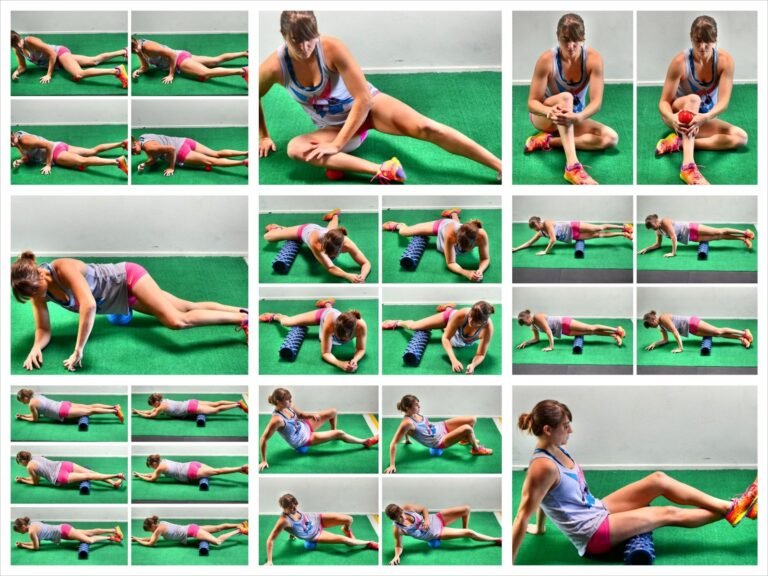
Self-myofascial release, or foam rolling, helps improve your range of motion by releasing tight spots in the connective tissue. Spend 30 to 60 seconds on each major muscle group, focusing on areas that feel tight. Don’t roll directly over bone or joints, as this can cause irritation rather than relief.
Contrast Therapy and Temperature Treatments
Alternating between cold and warm water can stimulate blood vessel constriction and dilation. Use cold packs for the first 24 hours to reduce swelling, then switch to heat to relax the muscle fibers. If you have high blood pressure or heart conditions, skip the ice baths and stick to mild heat.
Recommended Recovery Timelines and Methods

| Technique | When to Use | Duration |
|---|---|---|
| Active Recovery | 24-48 hours after | 20-30 minutes |
| Foam Rolling | Immediately post-workout | 1-2 minutes per area |
| Cold Immersion | Within 2 hours of training | 10-15 minutes |
Common Mistakes That Increase Muscle Pain
Overtraining and Lack of Rest Days
Trying to work out every single day without a break prevents your body from finishing its repair cycle. If you train the same muscle group more than four times a week, you risk chronic inflammation. Schedule at least one full day of rest every 48 to 72 hours to ensure you don’t hit a plateau.
Neglecting Proper Warm-Ups
Starting a heavy set with “cold” muscles increases the chance of strain significantly. Spend 5 minutes doing dynamic stretches like leg swings or arm circles to prime your nervous system. Skipping this step makes your muscles rigid, which leads to more soreness than if you had prepared them.
When muscles are cold, they lack the elasticity required to handle sudden, intense loads. By performing movements that mimic your workout, you increase blood flow and raise your internal temperature. This process makes muscle fibers more pliable. Without this preparation, you force your tissues to work against resistance while they’re stiff, leading to micro-tears that cause lasting pain.
Ignoring Signs of Injury Versus Normal Soreness
Normal soreness feels like a dull ache across the entire muscle, while injury feels like sharp, stabbing pain in one spot. If the pain prevents you from moving normally or lasts longer than 72 hours, see a doctor. Continuing to push through an injury can lead to long-term tissue damage.
Pay close attention to whether the discomfort is symmetrical. Normal fatigue often affects both legs or arms equally after a workout. If you notice pain exclusively on one side of your body, it likely indicates a structural issue or a tear rather than simple muscle recovery.
Check for localized swelling or bruising as well. These physical signs almost always point to an acute injury requiring rest.
Nutritional Strategies to Support Muscle Health
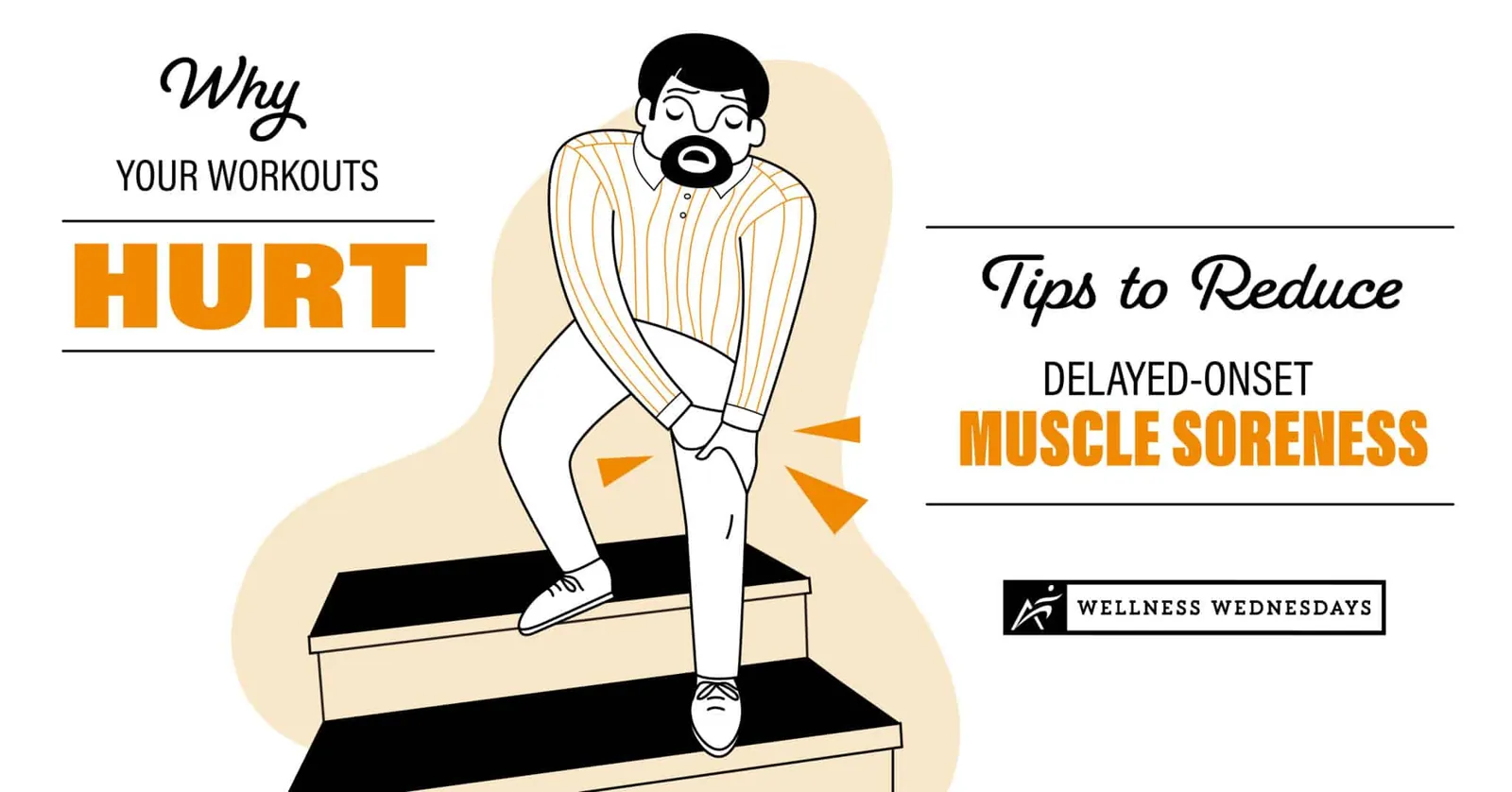
Focus on a balanced diet rich in antioxidants to fight the oxidative stress caused by exercise. Berries, leafy greens, and nuts provide the vitamins needed to reduce systemic inflammation.
These micronutrients act as a buffer against cellular damage. When you consume them regularly, your body manages the inflammatory response more efficiently rather than letting it linger in your tissues.
Ensure your carbohydrate intake is enough to fuel your glycogen stores, as depleted energy levels can make soreness feel much worse. When glycogen is low, the body may break down muscle protein for fuel, which impedes the repair process. Prioritizing complex carbohydrates alongside your proteins ensures your muscles have the immediate energy required for recovery.
Frequently Asked Questions
Is it safe to work out while my muscles are still sore?
Yes, it’s generally safe to perform light, low-intensity exercise if you’re only experiencing mild soreness. However, you should avoid high-intensity training on those same muscle groups until the pain subsides. Working out too hard on damaged tissue can lead to poor form and potential injury.
Does taking an ice bath actually help with muscle recovery?
Ice baths help reduce the sensation of soreness by numbing the area and constricting blood vessels to lower inflammation. While they’re effective for short-term pain relief, some research suggests they might slightly blunt the muscle-building signal if used immediately after every single lifting session.
How can I tell the difference between soreness and a muscle strain?
Soreness usually appears 24 to 48 hours after a workout and affects the whole muscle equally. A strain typically happens during the workout, causes sharp pain in a specific area, and may show swelling or bruising. If you can’t move a joint through its full range, it’s likely a strain.
Do over-the-counter anti-inflammatory medications hinder muscle growth?
Taking non-steroidal anti-inflammatory drugs occasionally for pain is generally fine, but using them daily can potentially interfere with the natural inflammatory process your body needs to grow. If you rely on them for every workout, your muscles may not adapt as well to the stress you’re placing on them.
Conclusion
Consistency is the most important factor in how you manage your physical health. If you track your intensity and allow for proper recovery, you’ll find that your body adapts and becomes stronger over time. Pay attention to your own limits, as these vary based on your fitness level and the intensity of your training.



2 Comments