Why Sleep Is Important for Muscle Recovery: The Science Explained
Sleep acts as the primary physiological engine for muscle recovery because it’s the period during which the body transitions from a catabolic state of activity to an anabolic state of restoration and tissue repair. When you lift weights or perform high-intensity exercise, you create microscopic tears in your muscle fibers; sleep provides the essential window for the endocrine system to synthesize proteins and repair these structural damages. Without sufficient rest, the body remains in a cycle of breakdown, which leads to chronic fatigue, diminished strength gains, and an increased risk of musculoskeletal injuries.
Key Takeaways

- Prioritize a consistent sleep schedule to regulate your circadian rhythm and optimize hormone release.
- Aim for 7–9 hours of quality sleep to ensure adequate time for deep restorative stages.
- Avoid caffeine and heavy meals within three hours of bedtime to prevent sleep cycle disruption.
- Use a cool, dark, and quiet bedroom environment to facilitate quicker sleep onset and better sleep architecture.
- Monitor your recovery markers such as heart rate variability and morning energy levels to adjust training intensity.
Why Sleep Is Important for Muscle Recovery
Muscle recovery isn’t a passive process that happens while you sit on the couch; it’s an active biological event that occurs most efficiently during deep sleep. During the slow-wave sleep stage, the pituitary gland releases the highest concentrations of growth hormone, which is the primary driver for muscle tissue synthesis and repair. This process is essential for turning the stress of exercise into the adaptation of muscle growth.
According to the National Institute of Neurological Disorders and Stroke, sleep is a complex biological state that allows the brain and body to undergo critical restorative processes that simply can’t occur during wakefulness. When you cut your sleep short, you artificially truncate the time available for these anabolic processes, effectively stalling your progress in the gym regardless of how well you eat or train.
Hormonal Regulation During Sleep
Your endocrine system relies on sleep to maintain the delicate balance between anabolic hormones and catabolic stressors. While growth hormone surges to repair tissue, levels of cortisol—a stress hormone that can lead to muscle breakdown—are typically suppressed during the night.
| Hormone | Primary Function | Impact of Sleep Loss |
|---|---|---|
| Growth Hormone | Tissue repair and synthesis | Reduced muscle fiber regeneration |
| Cortisol | Regulates stress response | Elevated muscle catabolism |
| Testosterone | Muscle mass and strength | Decreased protein synthesis |
| Insulin | Nutrient transport to cells | Impaired glycogen replenishment |
Identifying Signs of Poor Recovery
If you’re consistently struggling to see results, your sleep habits might be the missing link. Recognizing the symptoms of inadequate recovery allows you to intervene before overtraining syndrome sets in.
- Persistent muscle soreness that lasts beyond 72 hours.
- A noticeable decline in strength or power output during workouts.
- Increased irritability or difficulty focusing on daily tasks.
- Frequent illness or a weakened immune system.
- Inability to fall asleep despite feeling physically exhausted.
Optimizing Your Sleep Environment

Creating a sanctuary for sleep is one of the most effective methods for enhancing muscle recovery. Environmental factors directly influence how quickly you fall asleep and how long you remain in the restorative stages of sleep.
Temperature and Light Control
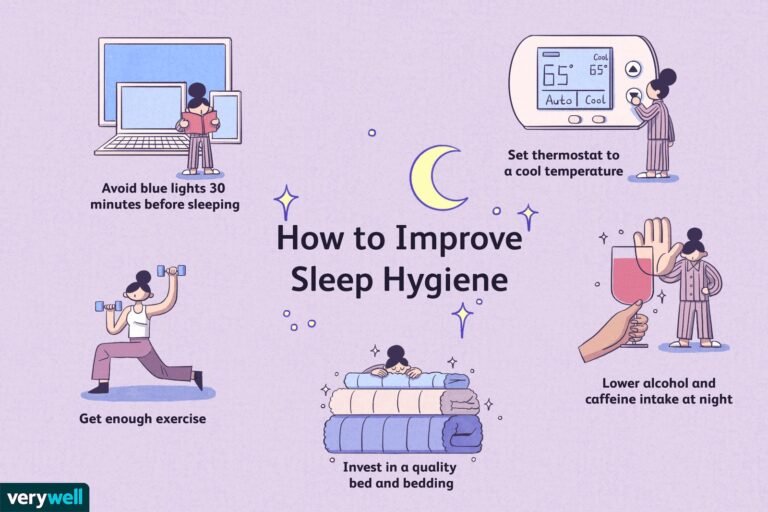
Keep your bedroom temperature between 60 and 67 degrees Fahrenheit to mimic the natural drop in core body temperature required for deep sleep. Use blackout curtains to block external light, which interferes with melatonin production, the hormone responsible for signaling to your brain that it’s time to rest.
Noise Reduction
If you live in a loud area, use a white noise machine or a fan to mask disruptive sounds. Sudden noises can trigger a micro-arousal, pulling you out of the deep sleep stages where the most significant physical recovery occurs.
Essential Sleep Hygiene Strategies
Pro Tip: Consistency is more important than total hours on a single night; try to go to bed and wake up at the same time every day to stabilize your internal clock.
- Limit blue light exposure from screens for at least one hour before bedtime.
- Establish a calming pre-sleep routine, such as reading or light stretching.
- Ensure your mattress and pillow provide adequate support to prevent morning stiffness.
- Use your bed only for sleep to maintain a strong psychological association between the room and rest.
Nutrition and Sleep Quality
What you consume throughout the day significantly impacts your ability to achieve deep, uninterrupted sleep. While protein is critical for muscle growth, timing your intake is equally important for recovery.
| Nutrient Type | Best Time to Consume | Reason |
|---|---|---|
| Slow-digesting Protein | 1–2 hours before bed | Sustained amino acid release |
| Complex Carbohydrates | Dinner or post-workout | Replenishes muscle glycogen stores |
| Magnesium-rich Foods | Evening meal | Supports muscle relaxation |
| Caffeine | Before noon | Prevents central nervous system stimulation |
Common Mistakes in Recovery Planning
Many athletes focus exclusively on the intensity of their training while neglecting the structural foundation of recovery. Avoiding these common pitfalls can drastically improve your training outcomes.
The Overtraining Trap
Warning: Pushing through extreme fatigue without adequate rest is a recipe for injury, not progress. If your performance is stagnating, it’s often a sign that you need a recovery week rather than more volume.
Ignoring Sleep Architecture
It isn’t just about the number of hours; it’s about the quality. Alcohol, for instance, may help you fall asleep faster, but it severely disrupts REM and deep sleep stages, preventing the body from completing its necessary repair work.
How to Track Your Recovery

Tracking your progress helps you understand the relationship between your sleep habits and your physical output. You can use various metrics to determine if you’re recovering effectively.
Monitoring Physical Markers
Keep a simple log of your resting heart rate upon waking. A consistently elevated resting heart rate compared to your baseline is a strong indicator that your body is still under stress and hasn’t fully recovered from previous training sessions.
Using Technology Effectively
Wearable devices can provide insights into your sleep stages. While not 100% accurate, they’re useful for identifying trends in your sleep duration and disturbances, allowing you to make data-driven adjustments to your evening routine.
Frequently Asked Questions
Does napping help muscle recovery?
Napping can be a useful tool to supplement your total sleep time, especially if you had a poor night of rest. A 20-to-30-minute power nap can improve alertness and mood, though it doesn’t replace the benefits of a full night of deep, uninterrupted sleep. Avoid long naps late in the day, as they can interfere with your ability to fall asleep at night.
How much protein should I eat before bed?
Consuming 20–30 grams of a slow-digesting protein, such as casein, before bed can provide a steady stream of amino acids throughout the night. This supports ongoing muscle protein synthesis, which is particularly beneficial after a day of intense resistance training. Choose a high-quality source that’s easy on your digestion to ensure it doesn’t disrupt your sleep quality.
Can supplements improve my sleep for recovery?
Certain supplements, such as magnesium or tart cherry juice, may help support relaxation and reduce inflammation, potentially improving sleep quality for some individuals. However, they aren’t a substitute for a healthy lifestyle. Always consult with a healthcare professional before adding new supplements to your routine to ensure they’re safe and appropriate for your specific health needs and goals.
Is it better to train in the morning or night?
The best time to train is the time you can maintain consistently. While training late at night can sometimes keep your core temperature elevated and delay sleep onset, many people find that it doesn’t impact their sleep if they allow for a 60-to-90-minute wind-down period. Focus more on your total daily recovery rather than obsessing over the specific hour of your workout.
How do I know if I am overtrained?
Overtraining is characterized by persistent fatigue, decreased performance, mood swings, and a high resting heart rate. If you experience these symptoms, your body is struggling to manage the current training load. The most effective solution is to reduce your exercise intensity or volume for several days and prioritize extra sleep until your energy levels and performance metrics return to your normal baseline.
Conclusion
By integrating these strategies into your lifestyle, you create the optimal internal environment for your muscles to repair and grow stronger. Remember that recovery is a fundamental component of your athletic success, just as important as the effort you put into your training sessions. Start tonight by setting a firm bedtime and creating a dark, quiet environment to support your body’s natural healing process.