How to Read Nutrition Labels Correctly: A Step-by-Step Guide
Reading nutrition labels correctly involves moving beyond the flashy marketing claims on the front of the packaging and focusing your attention on the standardized information panel typically found on the back or side. By understanding how to interpret serving sizes, nutrient concentrations, and ingredient lists, you can gain complete control over your dietary intake and make choices that align with your personal health goals. This skill is essential for navigating the modern grocery environment where health halos often obscure the actual nutritional profile of processed foods.
Key Takeaways

- Always check the serving size first, as all other numbers on the label are based on that specific portion.
- Prioritize foods high in dietary fiber, protein, vitamins, and minerals rather than just focusing on calorie counts.
- Limit your intake of added sugars, saturated fats, and sodium to support long-term heart and metabolic health.
- Scan the ingredient list for items you recognize, keeping in mind that ingredients are listed in descending order by weight.
- Use the Daily Value (DV) percentages as a quick guide to determine if a food is high or low in a specific nutrient.
How to Read Nutrition Labels Correctly
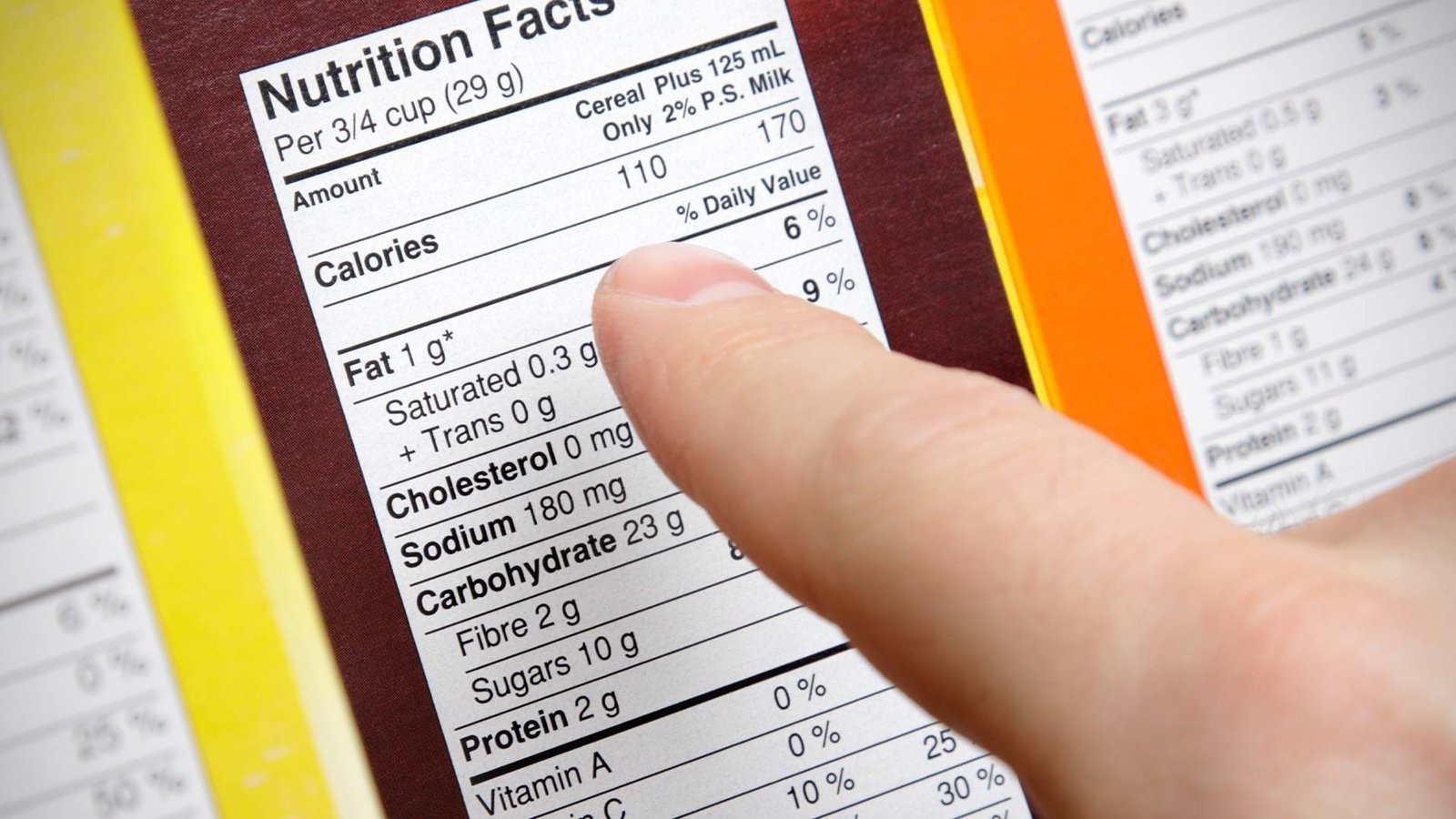
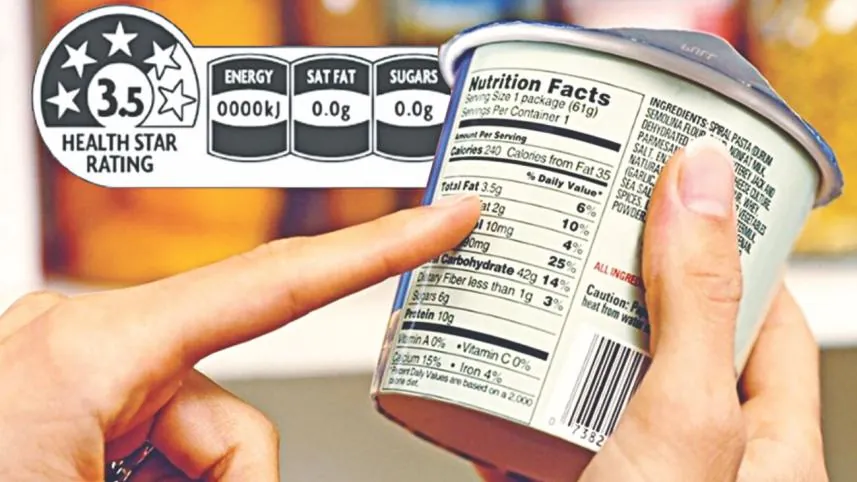
The Nutrition Facts label is a standardized tool regulated by the government to ensure transparency in food manufacturing. To read it effectively, start at the top and work your way down.
The serving size is your anchor point; if you eat twice the stated serving size, you must double every number listed below it. This is a common point of confusion for many shoppers who assume the entire package is considered a single serving, even when the label clearly indicates multiple portions per container.
Understanding Serving Sizes and Portions
The serving size reflects the amount that people typically consume, rather than a recommendation of how much you should eat. Manufacturers define these portions to allow for easier comparison between similar products on the shelf. When you look at the total calories, remember that this figure represents the energy provided by that single serving.
If you’re tracking your intake for weight management or metabolic concerns, using a digital food scale can help you visualize what a standard serving actually looks like compared to what you might typically pour into a bowl or onto a plate.
| Nutrient Category | High Amount (20% DV or more) | Low Amount (5% DV or less) |
|---|---|---|
| Beneficial Nutrients | Excellent source | Limit intake |
| Concerning Nutrients | Avoid excess | Good choice |
Interpreting Daily Values and Percentages
The Percent Daily Value (% DV) tells you how much a nutrient in a single serving of food contributes to your total daily diet. These percentages are based on a standard 2,000-calorie diet, which serves as a general baseline for the average adult. As noted by the U.S. Food and Drug Administration, these values help you determine if a food is high or low in a specific nutrient.
A nutrient with a 5% DV or less is considered low, while 20% or more is considered high. This simple scale allows you to quickly identify foods that provide significant amounts of vitamins and minerals or those that contribute too much to your sodium or sugar intake.
Navigating the Fats and Cholesterol
Not all fats are created equal, and the label helps you distinguish between them. Focus your attention on minimizing saturated fats and avoiding trans fats, which are often found in partially hydrogenated oils.
While dietary cholesterol was once a major focus, current dietary guidelines emphasize the quality of fats—such as choosing unsaturated fats from plant sources—over strict cholesterol limits for most people. If you see a product labeled as “low fat,” check the sugar content, as manufacturers sometimes replace removed fat with extra sweeteners to maintain flavor.
Why Does Ingredient Order Matter?
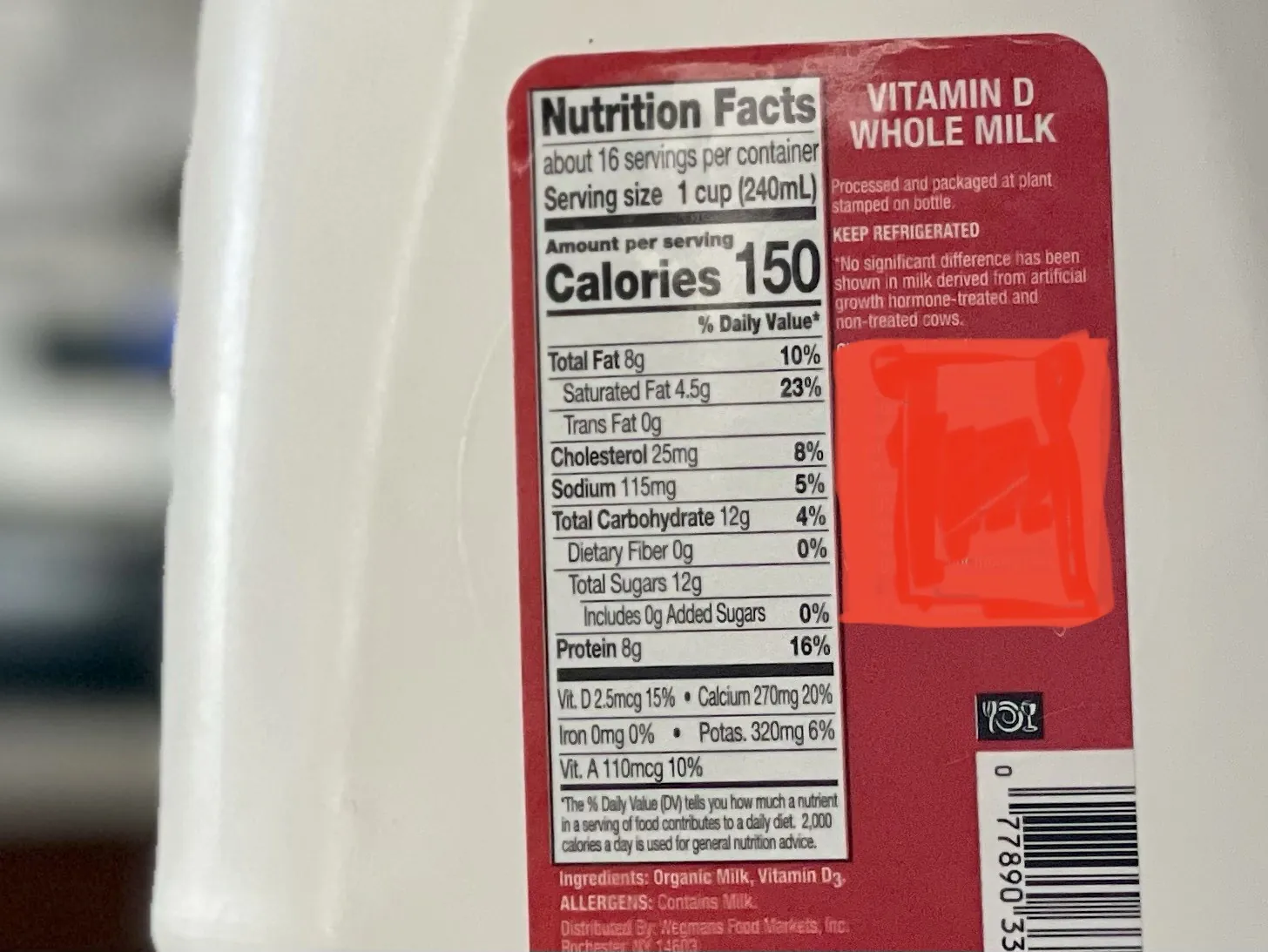
The ingredient list is your best defense against misleading marketing. Ingredients are listed in descending order by weight, meaning the first few items make up the bulk of the product. If sugar, syrups, or refined flours appear in the first three slots, the product is likely highly processed.
Look for whole-food ingredients like whole grains, nuts, seeds, or lean proteins at the start of the list. Hidden sugars can be disguised under many names, including high fructose corn syrup, maltodextrin, dextrose, or fruit juice concentrate, so read carefully if you’re trying to reduce your overall glycemic load.
Managing Your Sodium Intake
Sodium is a mineral that’s essential for health, but most people consume far more than the recommended daily limit. Processed foods, canned soups, and frozen meals are frequent culprits for excessive salt content.
When reading labels, check the sodium content in milligrams and compare it against your total daily allowance, which is typically capped at 2,300 milligrams for most adults. Choosing “no salt added” or “low sodium” versions of your favorite pantry staples can significantly reduce your cumulative intake without requiring a major change in your shopping habits.
Identifying Beneficial Fiber and Protein
When choosing between packaged goods, prioritize those that offer the most nutritional density. Fiber is a crucial component for digestive health and blood sugar regulation, yet it’s often stripped away during processing. Look for products that list at least 3 grams of dietary fiber per serving.
Similarly, protein is vital for satiety and muscle maintenance. While protein requirements vary based on activity level and age, selecting snacks or meals with a higher protein-to-calorie ratio can help you feel fuller for longer periods, potentially reducing the urge to snack between meals.
Troubleshooting Common Label Confusions
Many shoppers struggle with the distinction between “total sugars” and “added sugars.” Total sugars include those naturally occurring in foods like milk (lactose) and fruit (fructose), while added sugars are those included during manufacturing. You should focus on limiting added sugars specifically, as these provide calories without additional nutritional benefit. If you find a label confusing, look for the “Serving Per Container” line again; it’s the most common reason why people miscalculate their intake.
| Label Term | What It Actually Means |
|---|---|
| Sugar-Free | Less than 0.5g of sugar per serving |
| Low Sodium | 140mg or less per serving |
| High Fiber | 5g or more of fiber per serving |
| Fat-Free | Less than 0.5g of fat per serving |
Decoding Marketing Claims on Packaging
Marketing claims like “natural,” “healthy,” or “made with real fruit” are often unregulated or loosely defined and shouldn’t be used as a substitute for reading the actual nutrition facts. These terms are designed to catch your eye and imply a health benefit that the product may not actually deliver.
Instead of relying on buzzwords, turn the package over and verify the claims against the actual nutrient profile. If a product claims to be “whole grain,” ensure that a whole grain is the first ingredient listed, rather than “wheat flour” or “enriched flour.”
Are Supplements Labeled the Same Way?
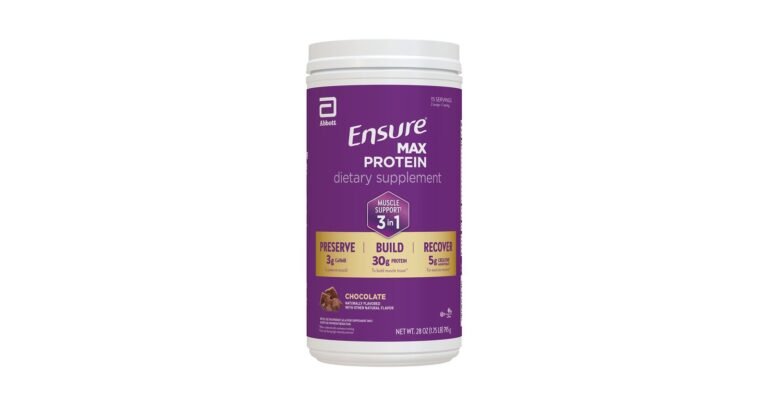
Supplements, including vitamins, minerals, and herbal products, are labeled differently than food items. They use a “Supplement Facts” panel rather than a “Nutrition Facts” panel. These labels don’t require the same rigorous approval process as food items, so it’s important to be cautious.
If you’re considering a new supplement, check for a third-party certification stamp, such as USP or NSF, which indicates that the product has been tested for purity and potency. Always consult with a healthcare professional before starting any new supplement regimen to ensure it doesn’t interact with existing medications.
Frequently Asked Questions
Does a label with zero calories mean it’s healthy?
Not necessarily. A product with zero calories may still be high in sodium, artificial sweeteners, or chemical additives. Focus on the entire nutritional profile rather than just the calorie count, as “zero calorie” items can sometimes be highly processed or devoid of any meaningful nutrients that your body needs to function optimally throughout the day.
Can I trust the “organic” label on foods?
The organic label indicates that the food was produced according to specific agricultural standards, such as restricted pesticide use and no synthetic fertilizers. While this is important for environmental and personal preferences, organic doesn’t automatically mean the food is low in calories, sugar, or fat. An organic cookie is still a cookie and should be consumed in moderation.
What should I do if a label is missing?
If you’re purchasing a whole food like fresh produce or bulk items, a label may be absent. In these cases, focus on choosing fresh, unprocessed ingredients. If you’re buying packaged goods and the label is missing or damaged, it’s best to avoid the item, as the label provides critical information regarding allergens and shelf-life safety that you shouldn’t ignore.
Why do some labels show different serving sizes?
Manufacturers determine serving sizes based on what people typically consume in one sitting, but these amounts can vary between brands. This is why comparing labels by weight or by 100-gram increments is often more accurate than relying solely on the “per serving” column. Always check the serving size before making a direct comparison between two competing brands of the same product.
Are there specific labels for food allergies?
Yes, the law requires manufacturers to clearly list major food allergens like milk, eggs, fish, shellfish, tree nuts, peanuts, wheat, and soybeans. These are typically found in the ingredient list or in a “Contains” statement below the ingredients. If you have severe allergies, always check both the ingredient list and the “may contain” warnings to ensure the product hasn’t been processed on shared equipment.
Conclusion
The best way to improve your dietary habits is to start by reading the labels on the three products you buy most frequently this week. By consistently checking the serving size and ingredient list, you’ll quickly become adept at identifying which items support your health goals and which ones are best left on the shelf.