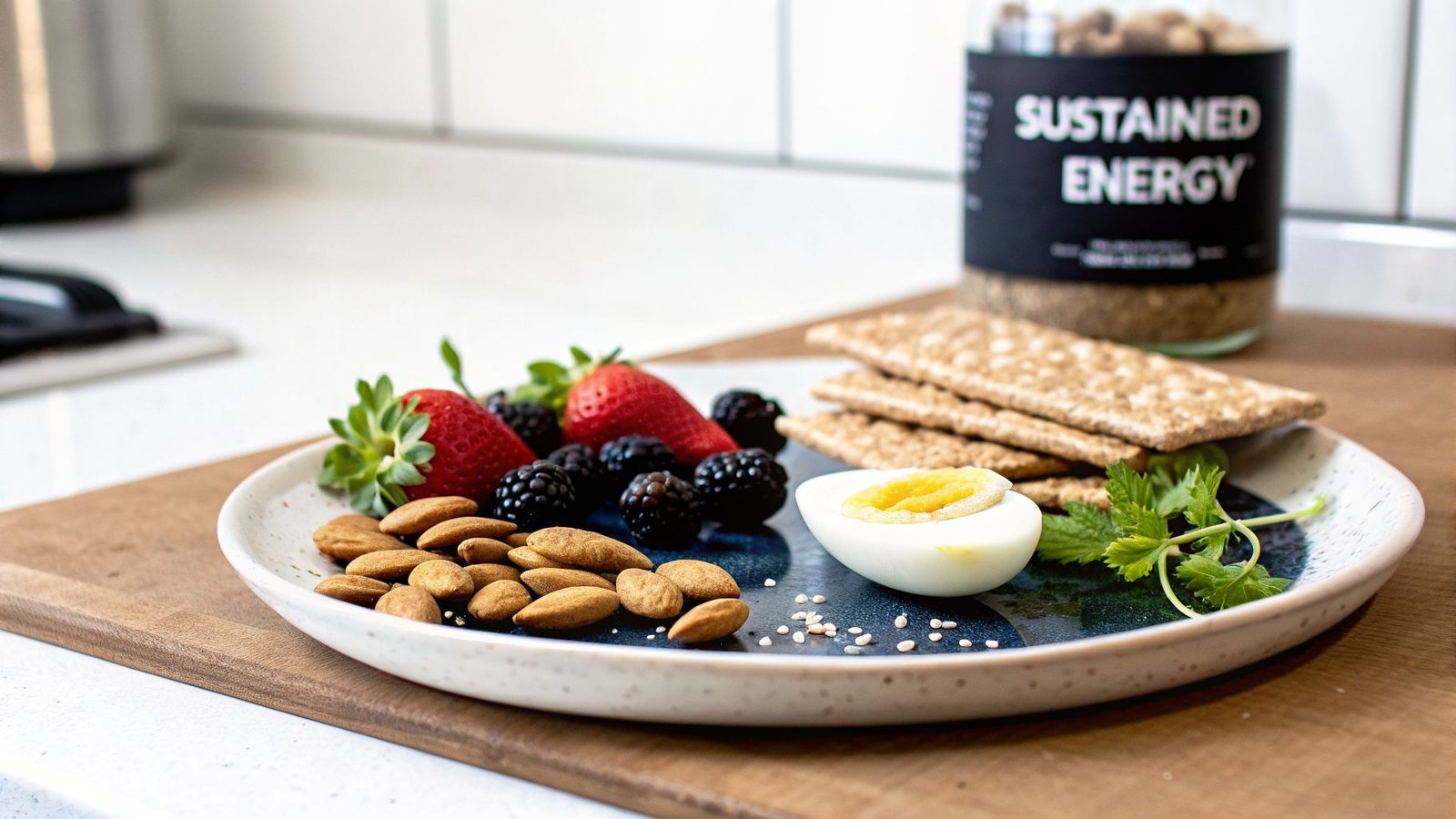
Healthy Snacks for Sustained Energy: A Guide to Steady Focus | kitchen setup guide
Eating balanced nutrients throughout the day helps maintain focus and physical performance, making the selection of snacks that provide steady energy a vital habit for busy people. Sharp rises and crashes in blood glucose often lead to lethargy, irritability, or poor concentration. By prioritizing combinations of fiber, protein, and healthy fats, you can stabilize blood sugar levels and provide your cells with a consistent fuel source. This approach replaces quick, sugary fixes with nutrient-dense options that support long-term metabolic health.
Key Takeaways
- Combine a protein source with a complex carbohydrate to slow digestion.
- Prioritize whole foods over processed items to avoid hidden additives.
- Aim for snacks containing 150 to 250 calories to avoid overeating.
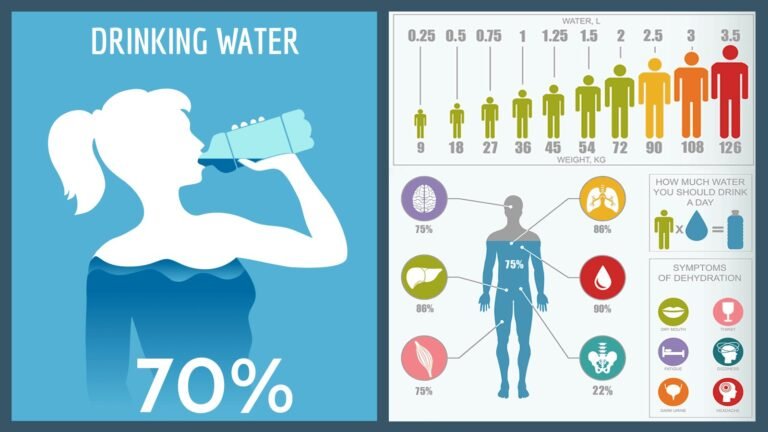
- Hydration is often mistaken for hunger; drink water before snacking.
- Prepare portions in advance to prevent impulsive, less nutritious choices.
Understanding Your Energy Needs
Energy levels are primarily governed by how quickly your body converts food into glucose. Simple carbohydrates, such as those found in candy or white bread, cause a rapid spike in energy followed by a crash. Conversely, complex carbohydrates and proteins digest more slowly.
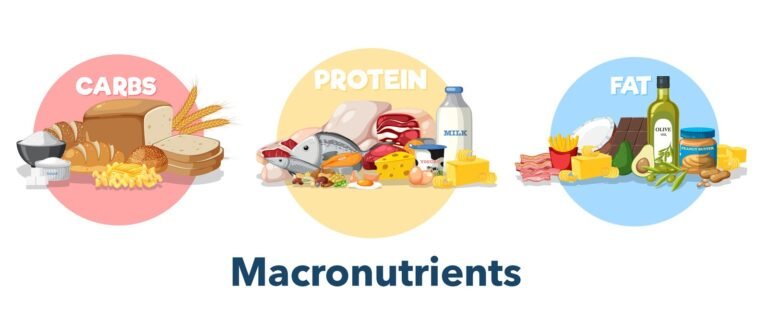
According to the Dietary Guidelines for Americans, choosing nutrient-dense foods helps meet your body’s physiological requirements while supporting overall health. By focusing on macronutrient balance, you ensure that your body has a consistent supply of energy to carry you through your work or workout sessions.
The Best Snacks for Vitality
Greek Yogurt with Berries
Greek yogurt provides a significant amount of high-quality protein, which is essential for muscle repair and satiety. Adding berries introduces fiber and antioxidants, creating a snack that digests slowly. You can enhance this further by sprinkling a few chia seeds or ground flaxseeds on top to increase your intake of omega-3 fatty acids.
Apple Slices with Almond Butter
Apples offer natural fructose for a quick start, while the fat and protein in almond butter act as a buffer to prevent a blood sugar spike. This combination is highly portable and shelf-stable, making it an ideal choice for a desk drawer or a gym bag. Always opt for natural nut butters that list only nuts and salt as ingredients.
Hummus and Raw Vegetables
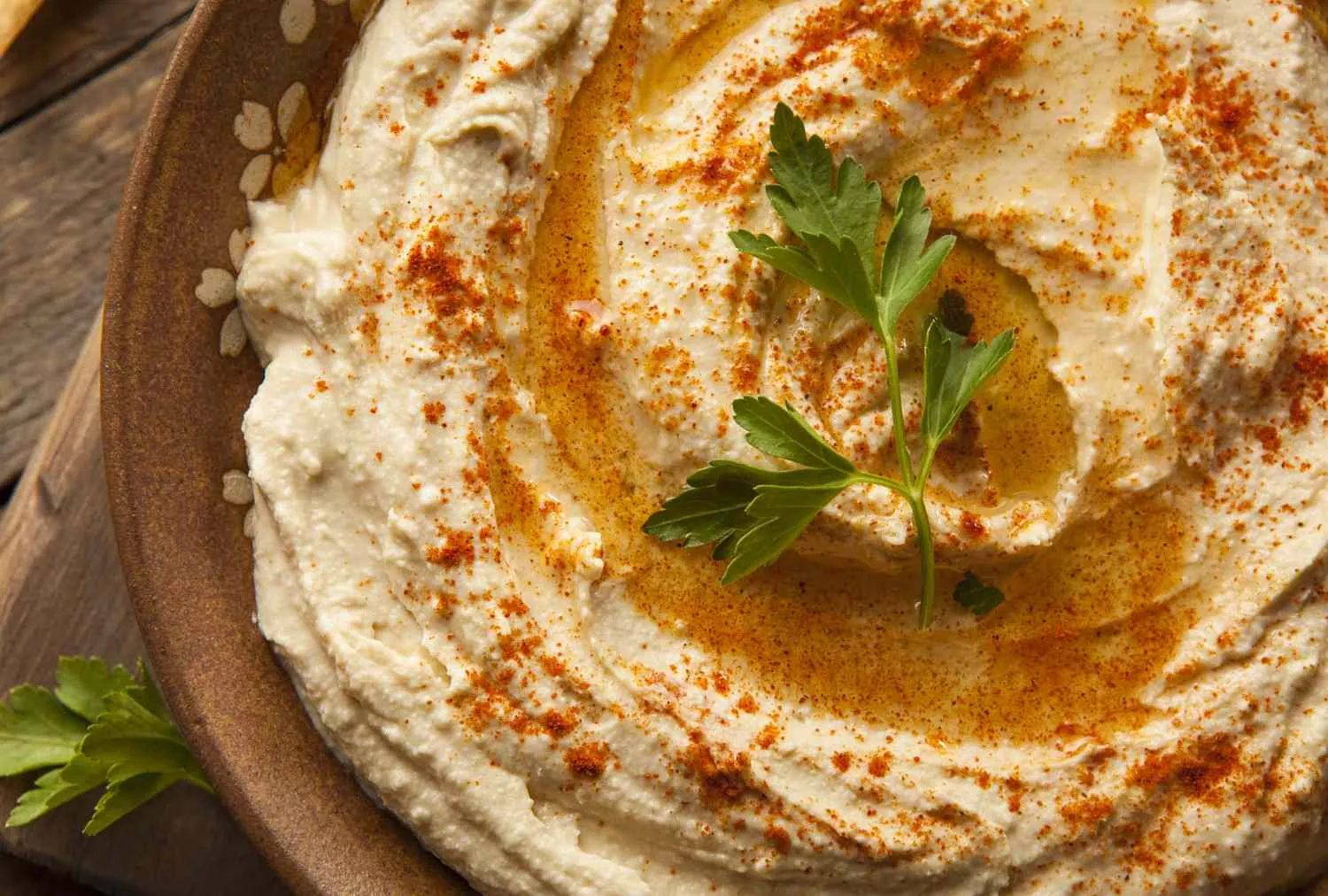
Hummus is a blend of chickpeas and tahini, offering a perfect mix of fiber, plant-based protein, and healthy fats. Pairing it with crunchy vegetables like carrots, bell peppers, or cucumbers adds volume and essential vitamins without adding excessive calories. This snack is excellent for those who crave a savory crunch during the mid-afternoon slump.
Hard-Boiled Eggs
Eggs are often called the gold standard for protein quality because they contain all nine essential amino acids. They’re incredibly convenient for meal prepping; you can boil a batch at the start of the week and keep them in the refrigerator. Pair one egg with a piece of fruit or a few whole-grain crackers to create a complete, balanced snack.
Roasted Chickpeas
If you enjoy salty, crunchy snacks, roasted chickpeas are a superior alternative to fried chips. They’re packed with protein and fiber, helping you feel full for hours. You can roast them with olive oil and spices like paprika or cumin to customize the flavor profile. These are shelf-stable and perfect for travel or long commutes.
Comparing Your Snack Options
| Snack Option | Primary Benefit | Fiber Content | Protein Level |
|---|---|---|---|
| Greek Yogurt | Muscle Support | Low | High |
| Almond Butter | Satiety | Medium | Medium |
| Hummus | Digestion | High | Medium |
| Hard-Boiled Egg | Amino Acids | Zero | High |
| Roasted Chickpeas | Steady Energy | Very High | High |
Why Timing Matters Significantly
Eating at regular intervals prevents the extreme hunger that leads to poor food choices. Most people benefit from eating every three to four hours. If you wait too long between meals, your cortisol levels may rise, causing you to crave high-calorie, processed foods. Pro Tip: Keep a log of your hunger levels for three days to identify your personal energy troughs and plan your snack times accordingly.
How to Avoid Common Pitfalls
Many packaged snacks marketed as “healthy” are actually high in refined sugars and artificial ingredients. Always check the nutrition label for added sugars, which can lead to energy crashes. Focus on whole ingredients rather than long lists of unpronounceable chemicals.
| Common Mistake | Consequence | Better Alternative |
|---|---|---|
| Ignoring Protein | Rapid Hunger | Add Nuts or Seeds |
| Skipping Fiber | Blood Sugar Spike | Add Berries or Veggies |
| Dehydration | Fatigue | Drink Water First |
Can Supplements Replace Real Food?
Supplements should never replace whole foods, as they lack the complex matrix of vitamins, minerals, and phytonutrients found in nature. While a protein shake can be useful after an intense workout, relying on them exclusively means you miss out on the fiber and satiety benefits of real food. Use supplements as a convenience tool, not as a primary fuel source.
Strategies for Better Preparation
- Wash and chop vegetables immediately after shopping.
- Divide nuts into single-serving containers to manage portions.
- Keep a stash of non-perishable items like canned chickpeas or nut butters.
- Use a insulated bag to transport perishable snacks like yogurt.
- Batch-cook proteins like eggs to save time during busy mornings.
Warning Signs of Poor Fueling
If you feel shaky, irritable, or unusually tired shortly after eating, your snack may have contained too much sugar or refined flour. Pay attention to how your body reacts to different foods; this is the most reliable way to determine what works for your unique metabolism. Warning: If you experience persistent fatigue despite eating balanced meals, consult a healthcare provider to rule out underlying conditions.
Frequently Asked Questions
Why do I feel tired after eating?
You likely consumed a snack high in refined carbohydrates or sugar. These foods trigger a quick spike in blood glucose followed by a rapid drop, leading to fatigue. To prevent this, always pair carbohydrates with a protein or fat source to slow down the absorption of glucose into your bloodstream.
How much should a snack weigh?
While there’s no universal weight, a healthy snack should generally fall between 150 and 250 calories. This amount provides enough fuel to sustain your energy until your next meal without causing you to feel overly full or sluggish. Focus on the quality of the calories rather than the total mass of the food.
Are snacks bad for weight loss?
Snacks aren’t inherently bad for weight loss if they’re nutrient-dense and portion-controlled. They can actually prevent overeating at main meals by keeping your hunger in check. However, mindless snacking on calorie-dense, low-nutrient foods can lead to excess intake. Prioritize whole foods to maximize satiety.
What is the best time to snack?
The best time to snack is when you feel your energy beginning to dip, typically three to four hours after a meal. Avoid snacking out of boredom or stress. By eating only when you have physiological hunger, you’ll maintain more consistent energy levels throughout the day.
Can I snack on fruit alone?
Fruit is a healthy food, but it’s primarily composed of carbohydrates. To ensure sustained energy, it’s better to pair your fruit with a source of protein or fat, such as a handful of almonds or a spoonful of cottage cheese. This pairing helps stabilize your blood sugar levels more effectively.
Conclusion
Start your journey toward consistent vitality by swapping one processed snack today for a whole-food alternative. Focus on combining fiber and protein to create a balanced foundation for your afternoon. You don’t need to overhaul your entire diet at once; simply making these small, intentional adjustments will help you maintain your momentum and focus throughout the entire day.