
How Much Water Should You Drink Every Day? Daily Intake Guide | Fit Life Boost
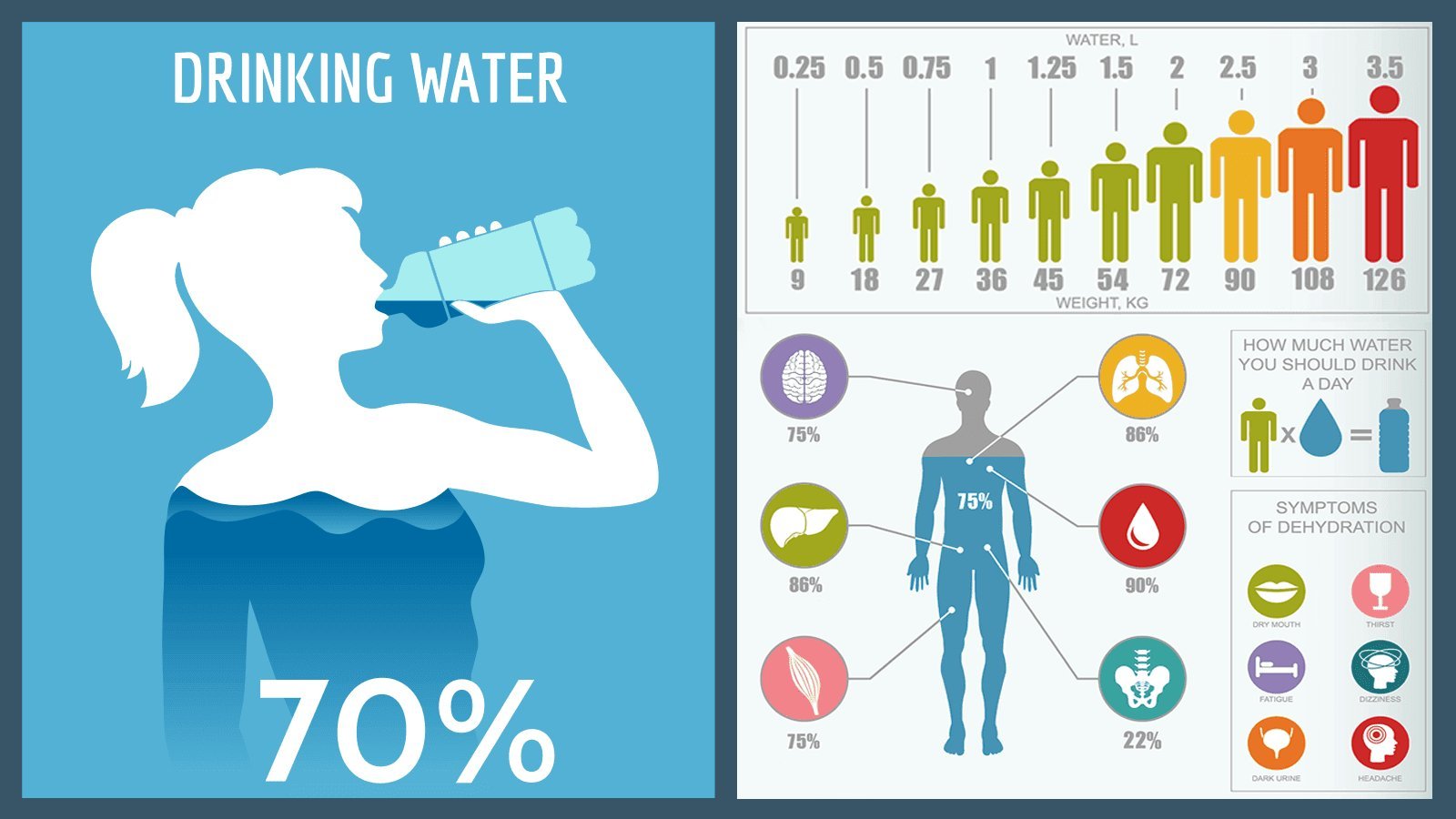
Most healthy adults should aim to consume between 75 and 125 fluid ounces of water daily, depending on their activity levels, climate, and overall body composition. While the classic “eight glasses a day” advice serves as a simple starting point, your actual needs fluctuate based on your internal physiology and external environment. Maintaining proper fluid balance is essential for cellular function, temperature regulation, and joint lubrication, yet there’s no single universal requirement that applies to every person on the planet.
Key Takeaways
- Prioritize consistent water intake throughout the day rather than drinking large quantities in one sitting.
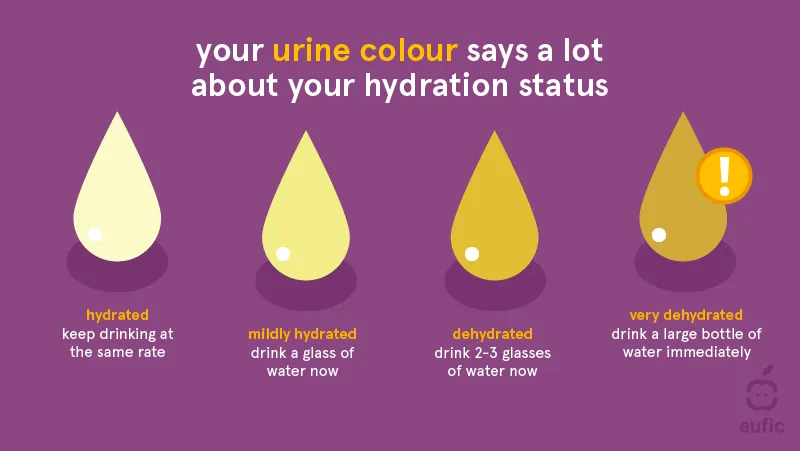
- Monitor the color of your urine to gauge hydration; pale yellow is generally the ideal target.
- Adjust your intake upward during periods of intense physical activity or when exposed to high temperatures.
- Incorporate water-rich foods like cucumbers, melons, and berries to contribute to your total daily fluid goals.
- Listen to your body’s thirst signals as a primary indicator that it’s time to consume more fluids.
How Much Water to Drink Every Day Explained
The total amount of water you need isn’t limited strictly to the liquid you pour from a glass. Roughly 20% of your daily intake often comes from moisture in solid foods, while the remaining 80% comes from beverages including water, coffee, tea, and milk.
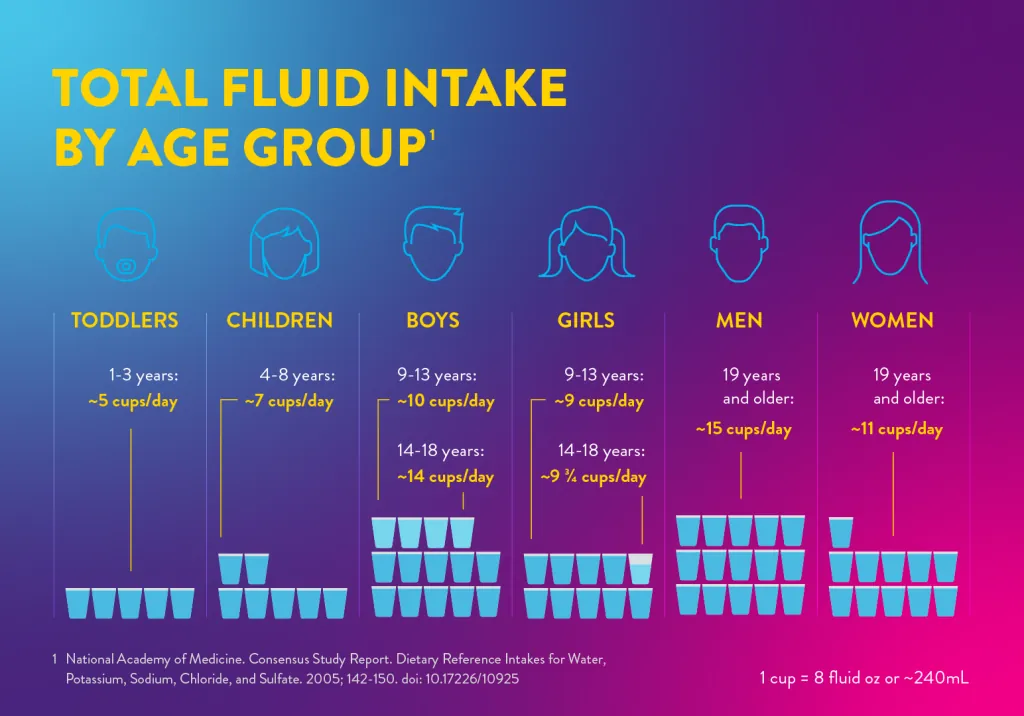
According to the National Academies of Sciences, Engineering, and Medicine, healthy men generally require about 125 ounces of total daily fluid, while women require about 91 ounces. These figures represent total water intake from all sources, not just plain water consumption.
Factors Influencing Your Personal Needs
Your baseline hydration needs are influenced by a complex interplay of internal and external variables. You can’t rely on a static number because your body’s metabolic demands change constantly.
- Environmental Temperature: High heat and humidity increase fluid loss through skin evaporation and perspiration.
- Physical Activity: Engaging in sports or heavy labor requires replacing the fluids lost through sweat to prevent dehydration.
- Health Status: Fever, vomiting, or diarrhea increase fluid requirements significantly to compensate for rapid loss.
- Pregnancy and Lactation: Expecting and nursing mothers require additional fluids to support fetal development and milk production.
How to Calculate Your Needs
| Variable | Adjustment Strategy |
|---|---|
| Sedentary Lifestyle | Aim for the lower end of the 75–125 oz range |
| High-Intensity Exercise | Add 16–24 oz for every hour of activity |
| Hot/Humid Climate | Increase intake by 15–20% above baseline |
| High-Fiber/Protein Diet | Increase water to aid digestion and kidney function |
Benefits of Proper Fluid Intake

Maintaining optimal hydration provides a wide array of physiological advantages. When your body is sufficiently hydrated, your blood volume remains stable, allowing your heart to pump blood more efficiently. Water also acts as a lubricant for your joints and a shock absorber for your spinal cord and brain. Furthermore, consistent hydration supports the health of your skin and assists the kidneys in filtering waste products from your bloodstream.
Cognitive and Physical Performance
Dehydration, even at mild levels, can impair cognitive function. You may notice difficulty concentrating, reduced short-term memory, or increased irritability when you haven’t consumed enough water. Physically, a lack of fluid leads to premature fatigue during exercise. By maintaining your hydration status, you ensure that your muscles retain the elasticity and power needed for daily tasks and athletic performance, reducing the risk of muscle cramps and heat-related exhaustion.
Signs You Need More Water
It’s easy to ignore the subtle cues your body provides until you reach a state of noticeable dehydration. Learning to recognize these early indicators is the most effective way to manage your intake without needing to track every single ounce.
- Dark-colored urine: A deep amber or concentrated yellow color indicates you need to drink more immediately.
- Persistent thirst: By the time you feel thirsty, you’re likely already slightly dehydrated.
- Dry mouth or lips: A lack of saliva production is a common early warning sign of low fluid levels.
- Headaches: Mild dehydration is a frequent trigger for tension headaches and lethargy.
- Dizziness: Feeling lightheaded upon standing can indicate low blood pressure due to inadequate fluid volume.
Methods for Increasing Daily Intake
If you struggle to drink enough water, simple behavioral changes can make a significant difference. Start by keeping a reusable water bottle at your desk or in your bag. Adding a slice of lemon, lime, or cucumber can make plain water more appealing if you find the taste boring.
Pro Tip: Use a mobile app or a visual reminder on your phone to prompt you to take a few sips every hour, which prevents the need for “chugging” large amounts of water right before bedtime.
Common Hydration Mistakes to Avoid
Many people fall into the trap of over-correcting or relying on the wrong sources for their hydration needs. Avoid these common errors to keep your body in balance:
- Over-relying on Caffeine: While tea and coffee contribute to your total fluid intake, their mild diuretic effect means they shouldn’t be your sole source of hydration.
- Ignoring Electrolyte Balance: If you’re sweating heavily, water alone may not be enough; you may need to replenish sodium and potassium.
- Drinking Only When Thirsty: In older adults, the sensation of thirst often diminishes, making it necessary to drink on a schedule.
- Excessive Sugar Intake: Avoid sugary sodas or energy drinks, as the high sugar content can cause energy crashes and unwanted calorie consumption.
Incorporating Water-Rich Foods
If you find it difficult to drink your total daily fluid requirement, consider eating your water. Many fruits and vegetables contain over 85% water, providing hydration alongside essential vitamins, minerals, and fiber.
| Food Item | Approximate Water Content |
|---|---|
| Cucumber | 95-97% |
| Lettuce | 94-96% |
| Watermelon | 91-93% |
| Strawberries | 90-92% |
| Zucchini | 93-95% |
Warning on Over-Hydration
Warning: Drinking excessive amounts of water in a very short period can lead to hyponatremia, a condition where blood sodium levels become dangerously diluted. This is rare in the general population but can occur in endurance athletes who consume far more water than they lose through sweat. Stick to steady, moderate consumption rather than forcing yourself to drink gallons of water daily, as there’s no added health benefit to extreme over-hydration.
Frequently Asked Questions
Does coffee count toward my daily water intake?
Yes, coffee and tea do contribute to your total daily fluid intake. While caffeine has a mild diuretic effect, the water content in these beverages typically outweighs the fluid loss caused by the caffeine. For most habitual drinkers, moderate coffee consumption doesn’t lead to dehydration.
Can I drink too much water?
Yes, drinking excessive amounts of water in a short time can lead to hyponatremia, which occurs when the kidneys can’t excrete the excess water, diluting the sodium in your blood. This condition is dangerous and requires medical attention. Always listen to your body and avoid forcing intake beyond what you need to satisfy your thirst.
Should I drink water during meals?
Drinking water during meals is generally beneficial as it can aid in digestion and help with the breakdown of food. It may also help you feel fuller, which can be useful for appetite management. There’s no evidence that drinking water while eating interferes with your stomach’s ability to digest food effectively.
Is bottled water better than tap water?
For most people in developed nations, tap water is just as safe and significantly more cost-effective than bottled water. Provided your local water supply meets regulatory safety standards, there’s no inherent health advantage to bottled water. If you prefer the taste of filtered water, using a home pitcher filter is a sustainable and affordable alternative.
How does exercise change my water needs?
Exercise significantly increases your fluid needs because you lose water through sweat to cool your body. You should drink water before, during, and after your workout. If you’re training for more than an hour, especially in the heat, consider an electrolyte-enhanced drink to replace the minerals lost through perspiration along with your water.
When should I see a doctor about hydration?
If you consistently experience symptoms like extreme thirst, fatigue, dark urine, or dizziness despite increasing your water intake, you should consult a healthcare professional. These could be symptoms of an underlying health condition, such as diabetes or kidney issues, that requires a medical diagnosis and personalized treatment plan rather than simple lifestyle adjustments.
Conclusion
Prioritizing your hydration is one of the simplest yet most effective ways to improve your daily energy levels and long-term health. Start by tracking your current intake for three days to establish a baseline, then gradually increase your consumption if you find yourself falling short of the recommended ranges. Observe how your body feels as you stabilize your habits, and adjust accordingly to find your personal sweet spot.


One Comment