How to Meal Prep for a Healthy Lifestyle: A Simple Guide | Fit Life Boost
Meal prepping for a healthy lifestyle involves planning and preparing your meals in advance to ensure you have nutritious, portion-controlled options readily available throughout the busy work week. By dedicating a few hours to organizing your kitchen, you can reduce the reliance on processed convenience foods, manage your caloric intake more effectively, and significantly decrease the stress associated with daily cooking decisions. This systematic approach transforms your kitchen into a tool for better health rather than a source of evening fatigue.
Key Takeaways
- Start with a simple plan that focuses on preparing only two or three main recipes per week.
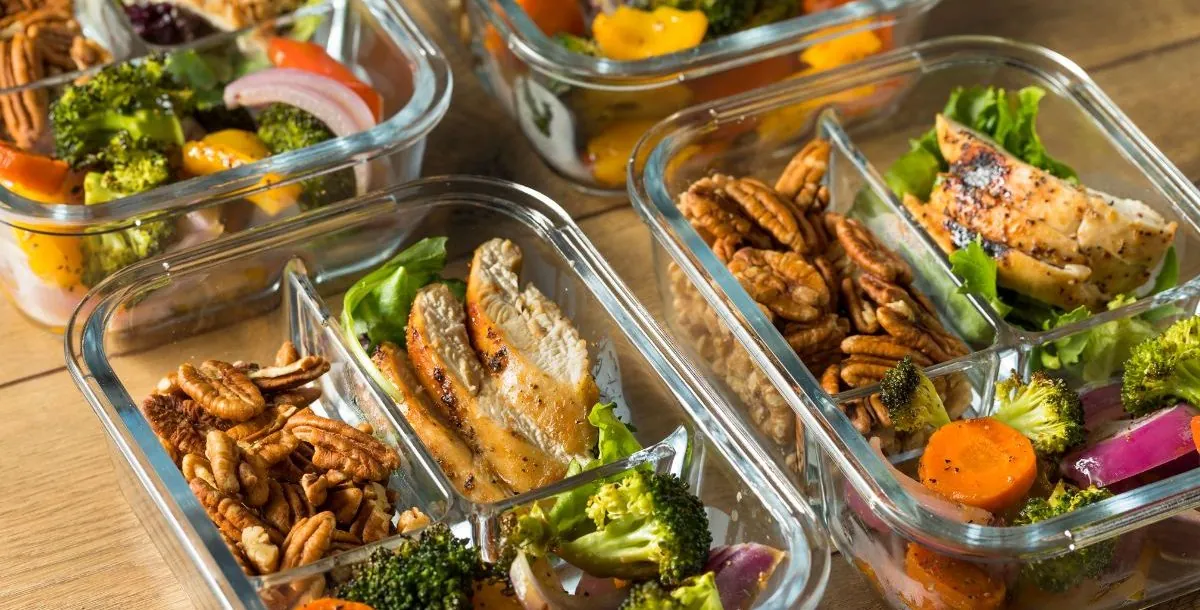
- Use high-quality airtight containers to keep ingredients fresh and prevent cross-contamination.
- Focus on balancing macronutrients by including lean proteins, complex carbohydrates, and fibrous vegetables in every meal.
- Keep a well-stocked pantry of staples like dried beans, grains, and spices to save time on grocery trips.
- Prioritize food safety by cooling cooked items quickly before storing them in the refrigerator.
Strategic Planning for Success
The foundation of a sustainable routine is a realistic schedule. Don’t attempt to prep every meal for the entire week on your first try. Instead, choose one or two meals, such as lunch and dinner, to focus on during your initial sessions.
Review your calendar to identify nights when you’ll be home late, as these are the times you’re most likely to skip healthy cooking. By mapping out your meals, you avoid the impulsive decisions that often lead to unhealthy eating.
Building Your Weekly Menu
| Meal Type | Prep Strategy | Storage Life |
|---|---|---|
| Breakfast | Overnight oats or egg muffins | 3-4 days |
| Lunch | Grain bowls or salads in jars | 3 days |
| Dinner | Batch-cooked stews or roasted proteins | 4 days |
Essential Kitchen Equipment
You don’t need an industrial kitchen to be effective. A few key items can drastically reduce the time you spend standing at the counter. Focus on sharp chef knives and durable, leak-proof containers.
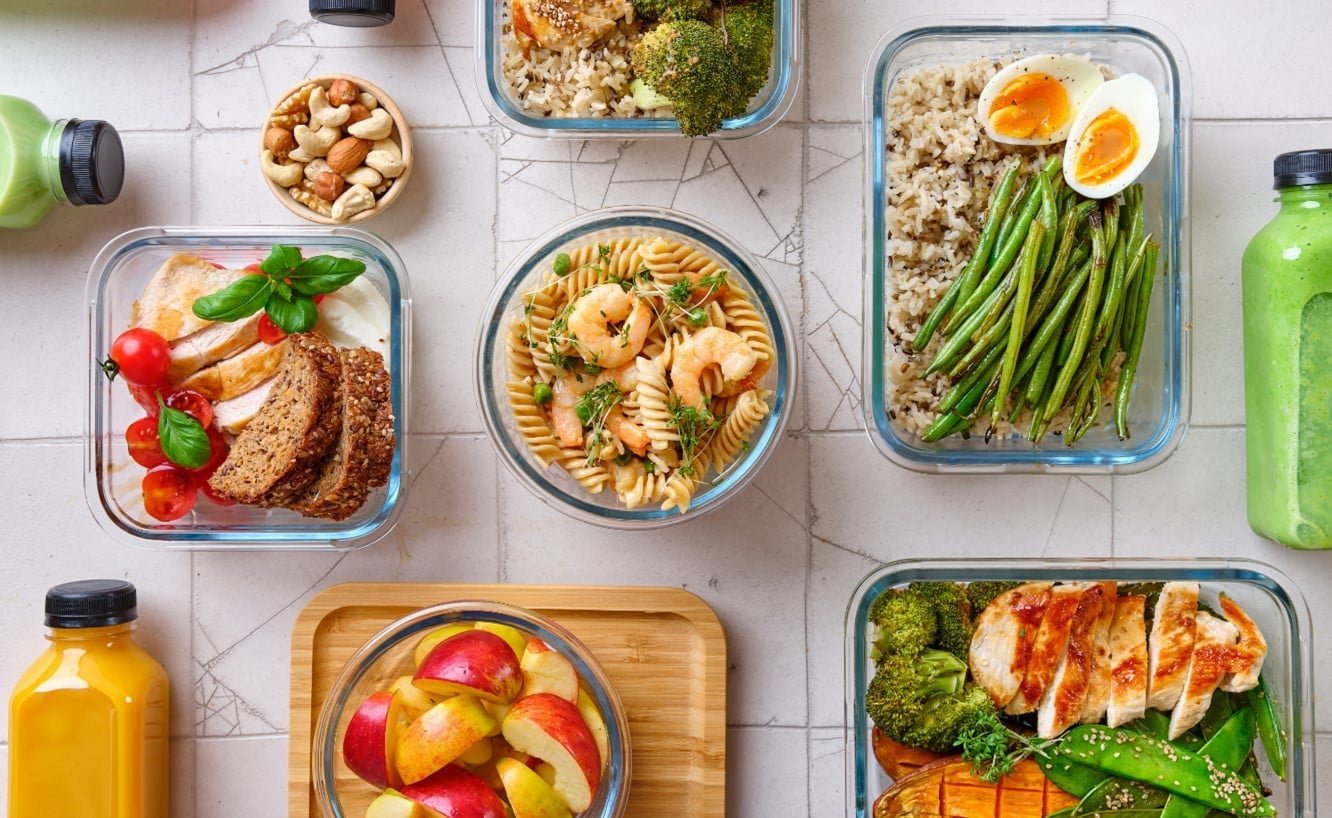
Glass containers are often preferred because they don’t retain odors and are safe to use in both the microwave and the oven. Investing in a quality set of measuring cups and a digital food scale can also help you maintain consistent portion sizes, which is vital for those tracking specific nutritional targets.
Must-Have Prep Tools
- Large cutting boards to prevent clutter.
- A high-capacity food processor for rapid chopping.
- Multiple sheet pans for oven-roasted vegetables.
- A slow cooker or pressure cooker for hands-off protein preparation.
How to Meal Prep for a Healthy Lifestyle
To execute a successful session, follow a logical flow that maximizes your time. Begin by washing and chopping all your produce, as this is the most time-consuming part of the process. While your vegetables roast in the oven, start your grains on the stovetop. Finally, prepare your proteins. By multitasking, you can finish your weekly prep in under two hours. Always prioritize efficient workflow by cleaning as you go to keep your workspace clear and organized.
Proper Food Storage Techniques
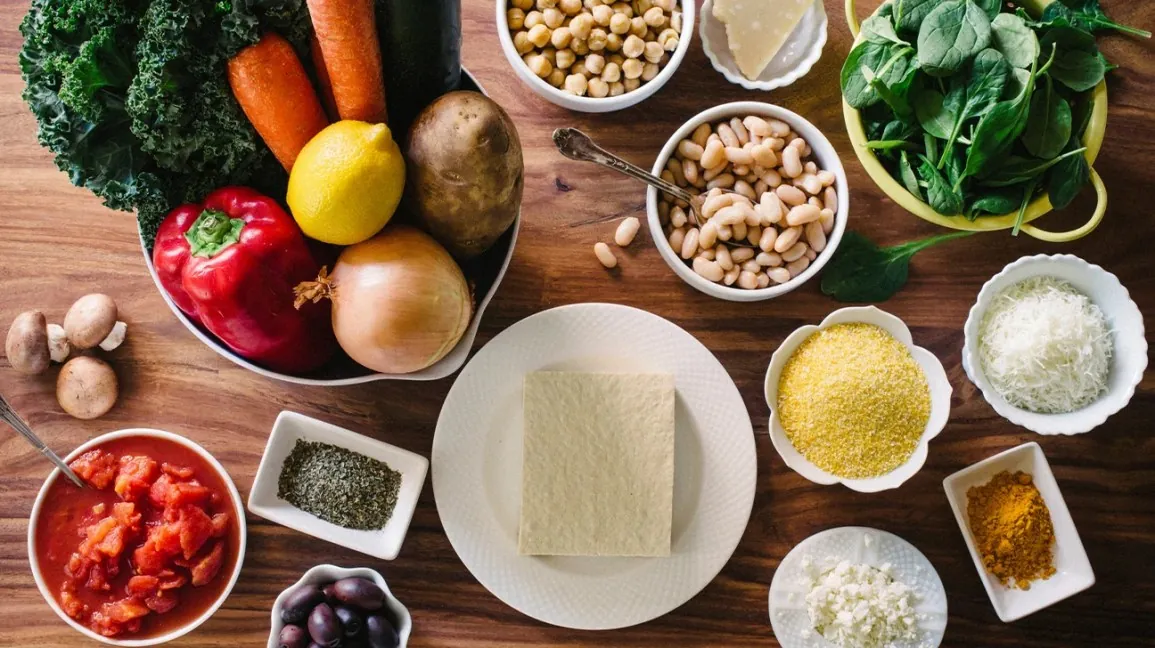
Safety is paramount when storing prepped food. The United States Department of Agriculture guidelines state that perishable foods shouldn’t be left at room temperature for more than two hours to avoid bacterial growth. Once your food is cooked, portion it into individual containers to allow for faster cooling. Avoid stacking hot containers directly on top of each other in the refrigerator, as this traps heat and can keep the food in the “danger zone” for too long.
Temperature Control Tips
- Cool food in shallow pans before transferring to airtight containers.
- Label your containers with the date of preparation to ensure you eat the oldest food first.
- Keep your refrigerator set at or below 40 degrees Fahrenheit.
Balancing Your Macronutrients
A healthy meal plan should be built around a stable ratio of proteins, fats, and carbohydrates. Aim for a plate that’s half vegetables, one-quarter lean protein, and one-quarter complex carbohydrates. This balance helps maintain steady blood sugar levels and keeps you feeling full for longer periods. Lean protein sources like chicken breast, tofu, or lentils provide the necessary amino acids for muscle maintenance, while complex carbohydrates like quinoa or sweet potatoes provide sustained energy throughout the day.
Managing Your Grocery Budget
Meal prepping is inherently cost-effective because it reduces food waste and limits the need for expensive takeout. To maximize your savings, check your pantry before heading to the store and plan your meals around ingredients that are currently in season.
Buying in bulk can also lower your costs, especially for items like brown rice, oats, and frozen vegetables. Smart shopping habits ensure that you only buy what you need, preventing the common issue of fresh produce spoiling before it can be used.
Cost-Saving Comparison
| Strategy | Benefit | Potential Savings |
|---|---|---|
| Buying Bulk Grains | Longer shelf life | Moderate |
| Seasonal Produce | Better flavor and lower price | High |
| Frozen Vegetables | No waste and pre-chopped | Moderate |
How to Keep Meals Exciting
One of the biggest hurdles to maintaining a meal prep routine is flavor fatigue. Avoid the trap of eating the exact same meal every day. Instead, use a “mix and match” system. Prepare three different protein sources, three types of vegetables, and two types of grains.
By changing the sauce or seasoning each day, you can create a wide variety of meals from a limited set of base ingredients. Versatile flavor profiles like Mediterranean, Asian-inspired, or Mexican can be achieved easily with a few jars of spices.
Pro Tip: Use fresh herbs, citrus zest, or hot sauce to brighten the flavor of reheated meals without adding extra calories or sodium.
Troubleshooting Common Prep Issues
If you find that your vegetables are becoming mushy by Wednesday, try slightly undercooking them during the initial prep phase. They will finish cooking perfectly when you microwave them for your meal.
If your salads are wilting, store the dressing in a separate small container and add it only when you’re ready to eat. If you find yourself too tired to prep on Sundays, shift your session to a weeknight or split the work into two shorter sessions on different days.
Related guides
- Simple Meal Prep for the Week (Without Getting Bored): 21 Easy, Healthy Ideas You’ll Actually Stick With
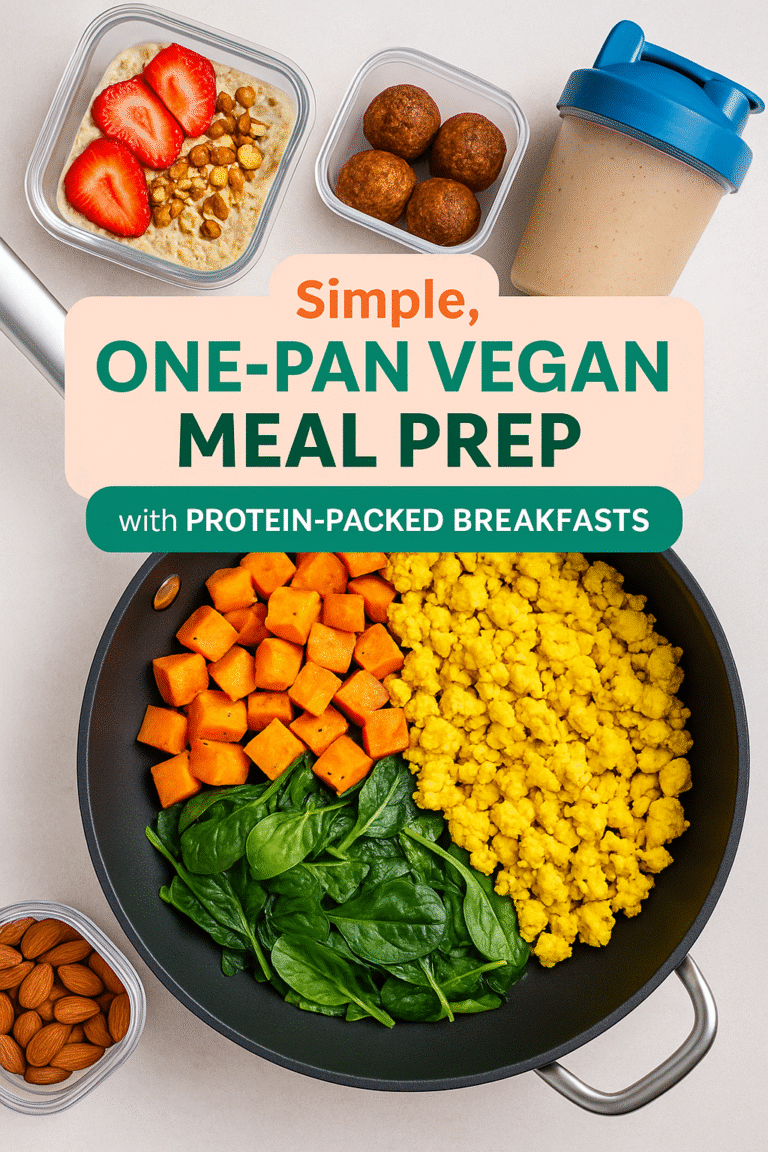
- High-Protein Breakfasts for Beginner Vegan Meal Prep: Easy, Delicious 1 Pan Start
Frequently Asked Questions
Is meal prep safe for beginners?
Yes, it’s perfectly safe if you follow basic food hygiene. Always wash your hands, use clean surfaces, and store your food in airtight containers at the correct temperature. Avoid leaving cooked food out for more than two hours. If you have specific medical conditions or dietary restrictions, it’s always a good idea to consult with a registered dietitian or your primary healthcare provider.
How long does prepped food last?
Most cooked meals will stay fresh in the refrigerator for three to four days. If you plan to prep for an entire week, you should consider freezing half of your meals. When you’re ready to eat the frozen portions, move them to the refrigerator the night before to thaw safely. Avoid keeping cooked food in the refrigerator for longer than four days.
Should I use plastic or glass containers?
Glass containers are generally superior for meal prep because they don’t absorb food odors or stains and are usually microwave and oven-safe. Plastic containers are lighter and cheaper, but they can degrade over time and may contain chemicals that leach into food when heated. For long-term use and safety, glass is the recommended choice for most home cooks.
Can I meal prep if I am busy?
Absolutely. The key is to keep your recipes simple. Focus on “one-pan” meals like sheet pan chicken and vegetables or slow cooker stews. You don’t need to spend all day in the kitchen. Even spending just sixty minutes on a Sunday to wash, chop, and cook a few foundational ingredients can make a massive difference in your ability to eat healthily during the week.
What if I get tired of eating the same food?
The best way to avoid boredom is to use a modular approach. Prepare a few versatile proteins and grains, then change the flavor profile daily using different sauces, spices, or fresh toppings. By keeping your base ingredients neutral, you can transform a single batch of chicken into a taco bowl on Tuesday and a Mediterranean salad on Wednesday. Variety comes from your choice of seasonings.
Warning: Avoid relying on pre-packaged sauces that are high in hidden sugars or excessive sodium, as these can quickly undermine the health benefits of your homemade meals.
Conclusion
Starting your journey toward better health doesn’t require a complete lifestyle overhaul overnight. Begin by selecting one meal to prep this coming week, such as your workday lunches. Gather your containers, pick two simple recipes, and dedicate just one hour to getting ahead. By taking this small, manageable step, you build the consistency needed for lasting, healthy results.