Healthy Breakfast Ideas for Busy People: Quick Morning Recipes | Fit Life Boost
Fueling your body for the day ahead doesn’t require hours in the kitchen or complex culinary skills. When you’re juggling a packed schedule, finding healthy breakfast ideas for busy people often feels like an impossible task, leading many to rely on sugary convenience foods or skip the morning meal entirely. However, prioritizing a balanced start can provide the sustained energy needed to tackle your responsibilities, stabilize your mood, and prevent mid-morning hunger pangs. This guide focuses on practical, time-efficient strategies to ensure you never leave the house on an empty stomach.
Key Takeaways
- Focus on protein-rich ingredients like Greek yogurt, eggs, or nuts to keep you full longer.
- Prepare your breakfast components in batches over the weekend to save time during the work week.
- Keep shelf-stable items like rolled oats, chia seeds, and nut butters on hand for quick assembly.
- Aim for a balance of complex carbohydrates, healthy fats, and fiber to maintain steady blood glucose levels.
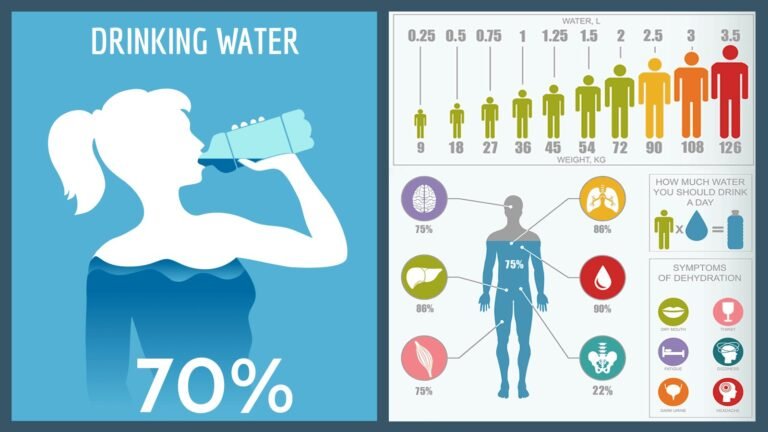
- Always prioritize hydration alongside your meal to support overall metabolic function.
Healthy Breakfast Ideas for Busy People on the Go
Overnight Oats
This method involves soaking rolled oats in milk or a dairy-free alternative overnight in the refrigerator. It matters because the oats soften without cooking, creating a creamy texture that’s ready to grab as you run out the door. You can customize this by adding berries, seeds, or a drizzle of honey to keep the flavor profile exciting.
Greek Yogurt Parfaits
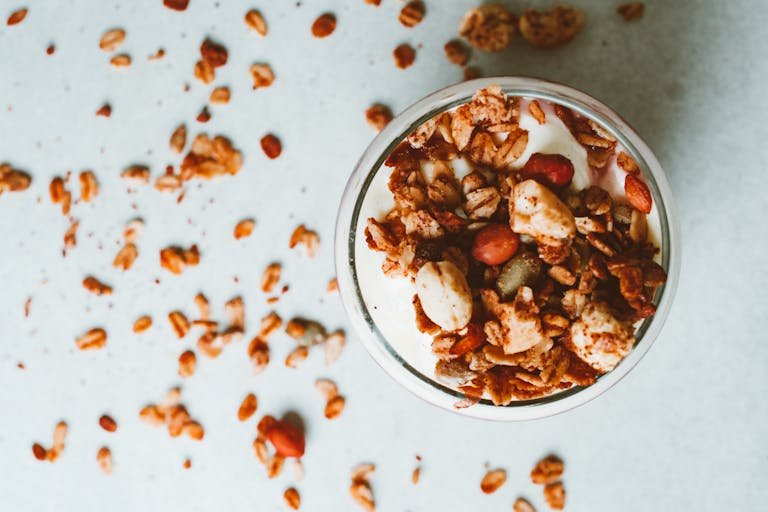
Layering plain Greek yogurt with fresh fruit and a handful of granola provides a high-protein, probiotic-dense meal. This is effective because it requires zero cooking and offers a satisfying crunch. You can assemble these in portable glass jars the night before to keep them chilled and ready for a quick commute.
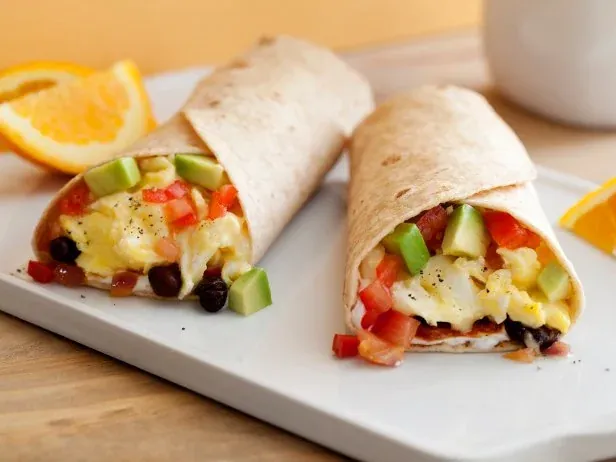
Veggie-Packed Egg Muffins
Whisking eggs with spinach, bell peppers, and feta, then baking them in a muffin tin, creates a portable, savory breakfast. These are valuable because they can be frozen and reheated in seconds. They offer a nutrient-dense alternative to processed breakfast sandwiches and help you reach your daily vegetable intake goals early.
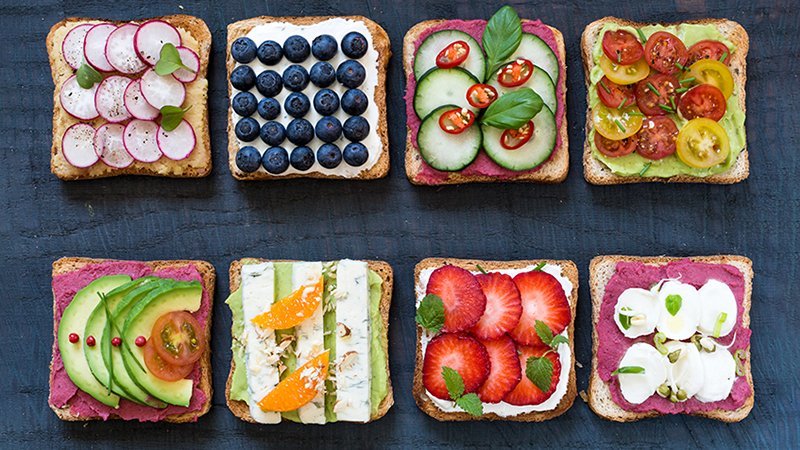
Nut Butter Whole-Grain Toast
Spreading almond or peanut butter on sprouted-grain bread provides a combination of healthy fats and fiber. This is a classic, reliable option that takes less than two minutes to prepare. Adding sliced bananas or hemp hearts can increase the nutritional density and keep you satiated until lunch.
Protein-Rich Green Smoothies
Blending spinach, frozen fruit, protein powder, and flax milk creates a balanced liquid meal. This is ideal for those who prefer to drink their breakfast while multitasking. The key is to prep smoothie packs in freezer bags so you only need to add liquid and blend in the morning.
Nutritional Foundations for Busy Mornings
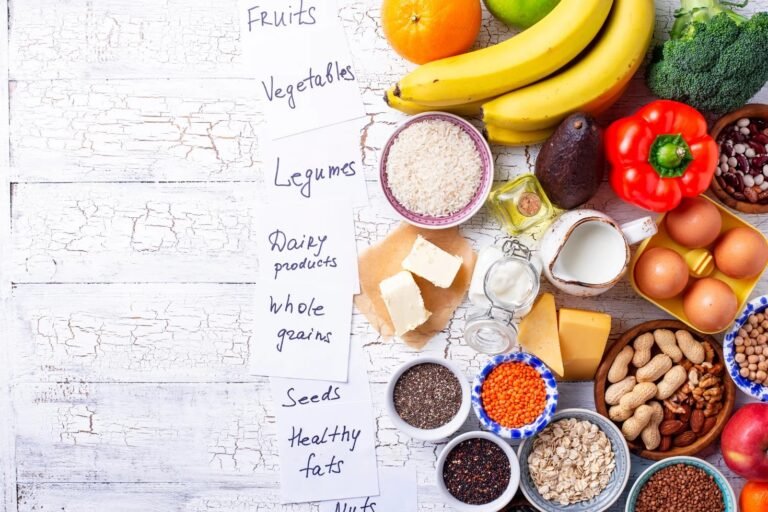
To maintain consistent energy, the Dietary Guidelines for Americans emphasize the importance of nutrient-dense foods. Focusing on whole grains, lean proteins, and unsaturated fats ensures that your breakfast serves a physiological purpose rather than just filling a void. Avoid relying heavily on refined sugars, which often lead to a rapid energy spike followed by an inevitable crash.
| Nutrient Type | Why It Matters | Examples |
|---|---|---|
| Complex Carbs | Provides steady glucose | Oats, quinoa, whole grains |
| Lean Protein | Supports muscle maintenance | Eggs, yogurt, cottage cheese |
| Healthy Fats | Increases satiety levels | Walnuts, chia seeds, avocado |
| Fiber | Aids digestion and fullness | Berries, flaxseed, apples |
How to Streamline Your Morning Routine
Prep the Night Before
The most effective way to save time is to minimize decision-making in the morning. Layout your non-perishable ingredients or assemble jars in the fridge before going to sleep. This reduces the mental load and ensures you aren’t tempted by less healthy, convenient alternatives when you’re rushing.
Utilize Small Kitchen Appliances
Using a programmable coffee maker or a high-speed blender can shave minutes off your routine. If you enjoy hot breakfasts, consider a small egg cooker that shuts off automatically, allowing you to shower while your food prepares itself.
Keep a “Grab-and-Go” Pantry
Designate a specific shelf in your pantry for quick breakfast supplies. Stocking items like protein bars with minimal added sugar, individual nut packets, and dried fruit allows you to create a makeshift meal in seconds if you’re running significantly late.
Are Liquid Meals Actually Healthy?
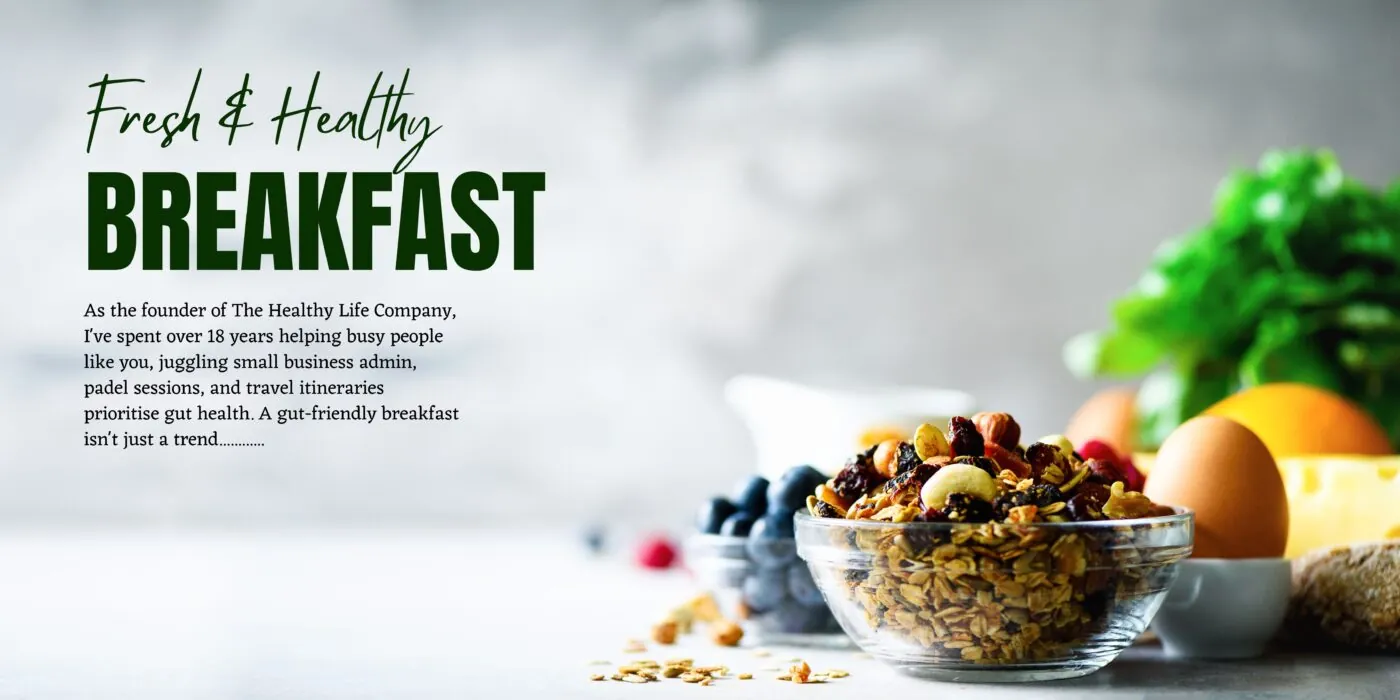
Smoothies and meal-replacement shakes can be highly effective if the ingredients are chosen with care. The primary risk is hidden sugar; many store-bought options contain excessive syrups. When making them at home, stick to whole food sources.
- Use unsweetened nut milks or water.
- Incorporate at least one cup of leafy greens.
- Limit fruit portions to avoid blood sugar spikes.
- Add a source of healthy fat like avocado or nut butter.
Managing Costs and Food Waste
Eating healthy doesn’t have to be expensive if you shop strategically. Buying staples in bulk—such as oats, seeds, and frozen berries—is significantly cheaper than purchasing individual servings.
| Strategy | Cost Impact | Waste Reduction |
|---|---|---|
| Bulk Buying | High savings | Low packaging |
| Seasonal Fruit | Moderate savings | High freshness |
| Frozen Produce | Low cost | Long shelf-life |
Pro Tip: Label your prepped containers with the day of the week to ensure you consume the oldest items first, effectively rotating your inventory and preventing spoilage.
Balancing Macronutrients on the Go
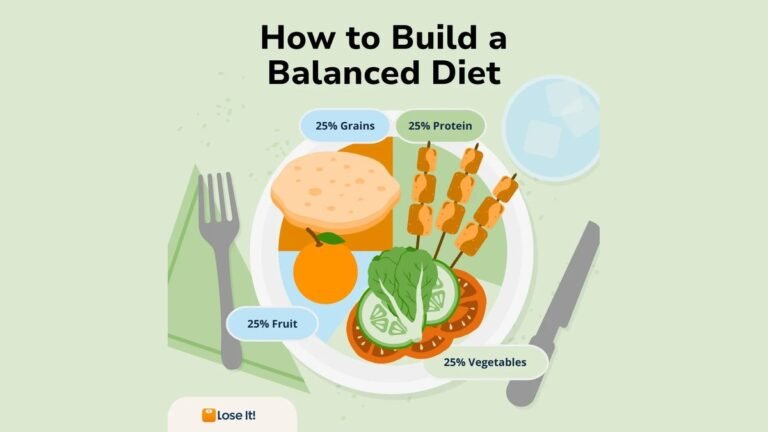
A balanced breakfast should contain a mix of carbohydrates, protein, and fat. If you find yourself gravitating toward carb-heavy muffins or pastries, try pairing them with a hard-boiled egg or a small cup of Greek yogurt. This simple addition of protein significantly slows the absorption of sugars and keeps your hunger cues in check throughout the morning.
How Can I Stay Consistent Long-Term?
Consistency is built through habit, not perfection. If you have a busy morning where you absolutely can’t prepare a meal, keep a small stash of emergency supplies in your desk or car.
- Keep a jar of mixed nuts in your bag.
- Maintain a stock of shelf-stable protein shakes.
- Keep a stash of high-fiber crackers.
Warning: Always check the labels on pre-packaged “healthy” snacks, as many are marketed as nutritious despite containing high levels of sodium or refined sweeteners.
Optimizing Your Kitchen Layout
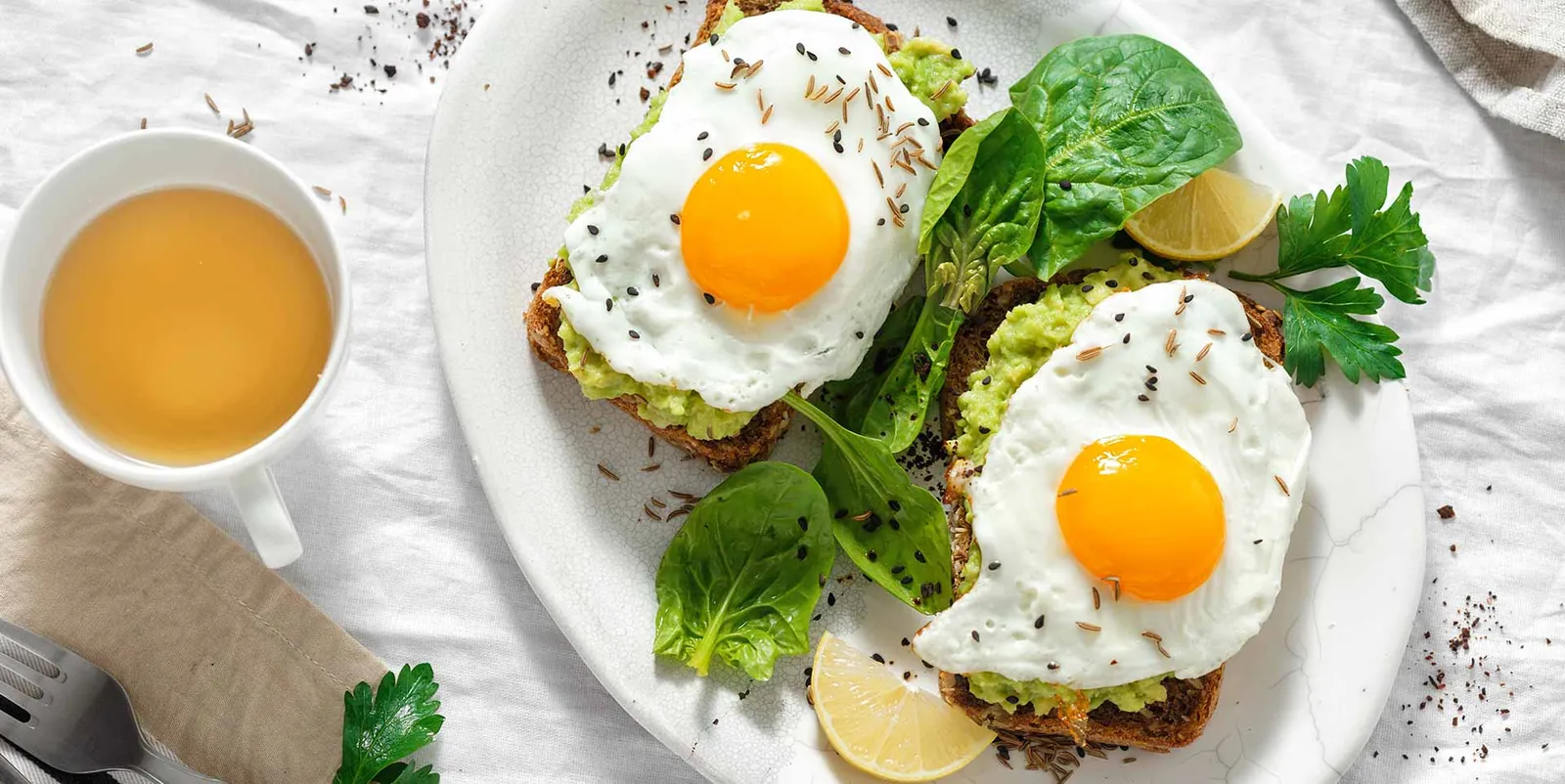
Organizing your workspace can save precious minutes. Keep your blender on the counter, your oats in a visible container, and your travel mugs near the coffee station. When your environment is set up for efficiency, you’re far more likely to follow through with your healthy habits even on the most chaotic mornings.
Frequently Asked Questions
Can I eat breakfast if I have no time to cook?
Yes, you can prioritize no-cook options like overnight oats, Greek yogurt with berries, or a simple piece of fruit with a handful of nuts. These options provide necessary nutrition without requiring heat or complex preparation, making them ideal for those who need to leave the house immediately after waking up.
How do I prevent getting bored with breakfast?
Rotate your protein sources and toppings to keep your palate interested. Use different spices like cinnamon or nutmeg, swap almond butter for peanut or sunflower seed butter, and use seasonal produce to change the flavor profile of your staples. Small adjustments, such as adding a different seed or nut each week, can make a familiar meal feel fresh and exciting.
Is it better to eat breakfast or fast?
Whether you choose to eat breakfast or practice intermittent fasting depends on your personal energy levels and health goals. If you find that eating a balanced meal helps you focus and prevents overeating later in the day, then breakfast is a beneficial habit. Listen to your body’s hunger cues and choose the schedule that best supports your daily productivity.
What should I look for on a label?
When choosing packaged breakfast items, look for a short ingredient list with whole foods. Prioritize products with at least three grams of fiber and a significant amount of protein per serving. Check the added sugar content carefully, aiming for as little as possible to ensure you’re fueling your body with sustained energy rather than a quick, fleeting sugar rush.
Can I prep breakfast for the entire week?
Yes, you can prep many breakfasts on Sunday. Egg muffins, overnight oats, and smoothie packs can be prepared in advance. While fresh fruit might need to be added daily, the base components of your meals can easily be stored in the refrigerator or freezer, saving you significant time and effort during the busy work week.
Conclusion
Starting your day with a nutritious meal is a form of self-care that pays dividends in your productivity and overall well-being. Whether you prefer a quick smoothie or a pre-made egg muffin, finding a system that fits your specific lifestyle is the key to lasting success. Choose one of these methods to try tomorrow morning and monitor how your energy levels change throughout the day.