How to Maintain a Healthy Diet on a Budget: Practical Strategies | Fit Life Boost
Maintaining a healthy diet on a budget requires shifting your focus from expensive convenience items to nutrient-dense staples, typically costing a household between $250 and $450 per person monthly depending on location and dietary preferences. By prioritizing whole foods, planning your grocery trips strategically, and minimizing food waste, you can achieve a balanced nutritional profile while keeping your total spending within a reasonable range of $60 to $110 per week.
Key Takeaways
- Buy shelf-stable staples like legumes, grains, and frozen produce in bulk to reduce unit costs.
- Prepare your meals at home rather than relying on processed convenience foods or takeout.
- Build a weekly meal plan around the specific items currently on sale at your local market.
- Reduce food waste by utilizing leftovers effectively and storing fresh items at optimal temperatures.
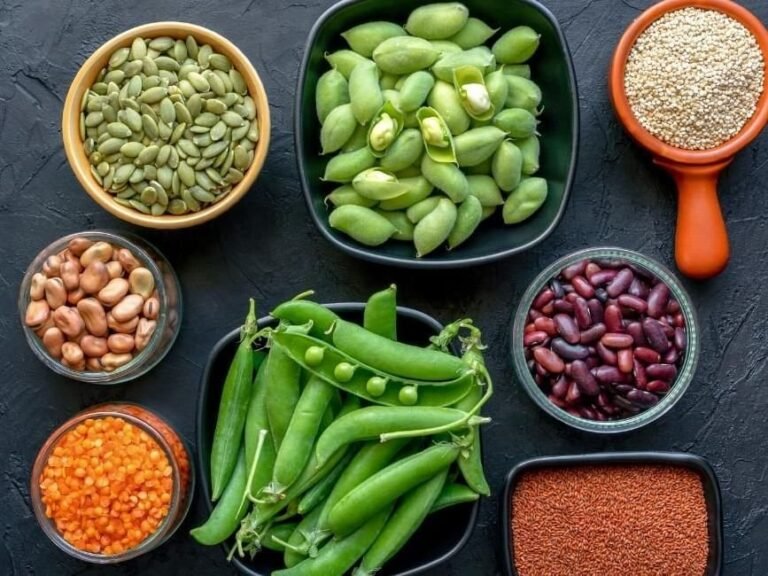
- Prioritize plant-based protein sources, which often provide more value per dollar than meat.
How to Maintain a Healthy Diet
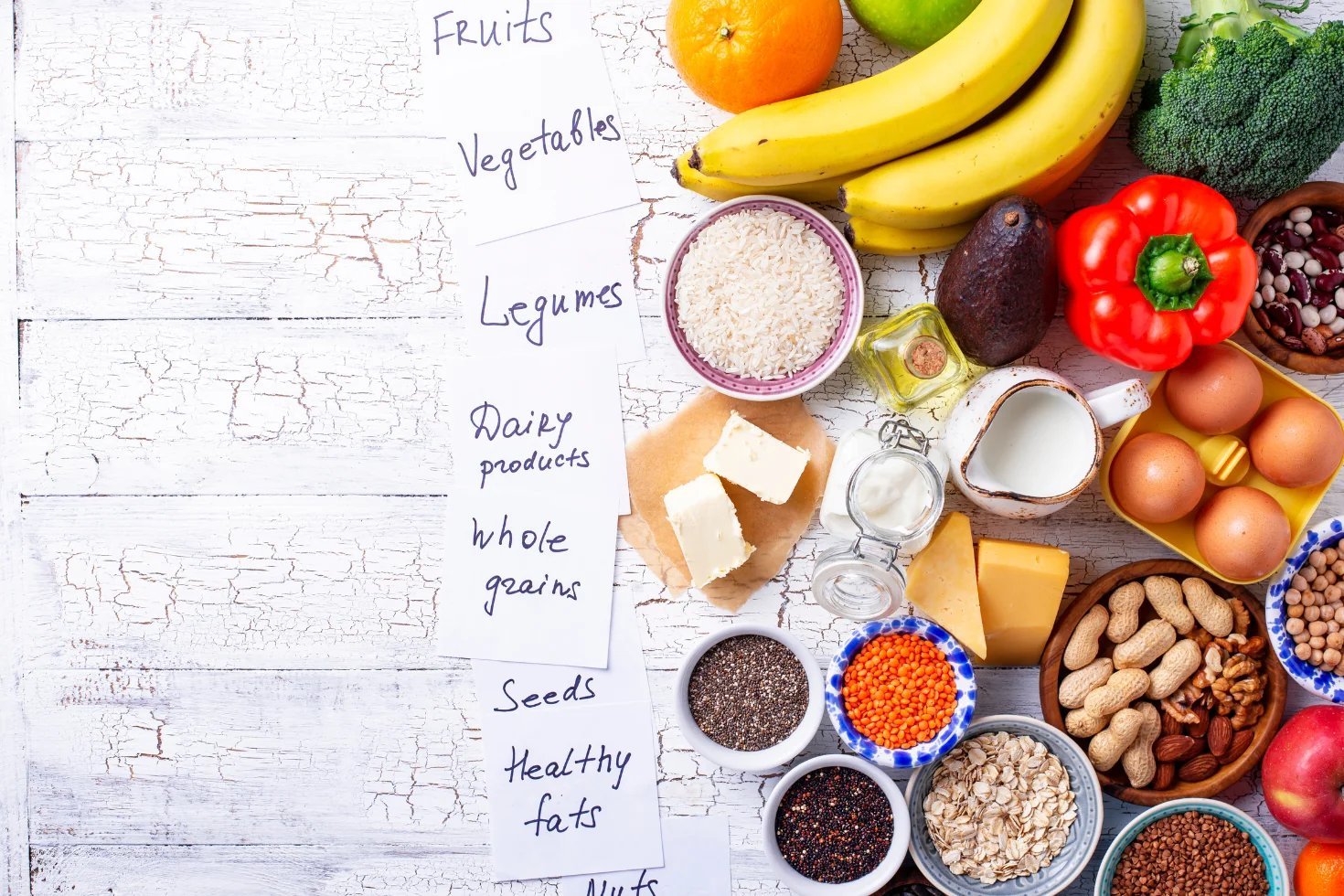
Achieving dietary goals while managing finances involves a combination of smart shopping and efficient kitchen management. Focus your efforts on nutrient-dense whole foods that offer high satiety for a low price point. Items like brown rice, oats, lentils, and seasonal vegetables form the foundation of a budget-friendly kitchen. Avoiding pre-packaged snacks and sugary beverages not only improves your health outcomes but also frees up significant room in your weekly food budget.
Strategies for Smart Grocery Shopping
Effective shopping begins before you enter the store. Always maintain an updated inventory of your pantry to prevent redundant purchases. Utilize store-brand products, which are often identical in quality to premium labels but cost 15% to 30% less. Shopping during specific times, such as mid-week or right before closing, can sometimes help you find clearance items that are still perfectly safe to consume.
| Food Category | Budget-Friendly Option | Premium/Expensive Alternative |
|---|---|---|
| Protein | Dried beans or lentils | Grass-fed steak or organic poultry |
| Grains | Bulk brown rice or oats | Pre-packaged flavored rice mixes |
| Produce | Seasonal/frozen vegetables | Out-of-season fresh berries |
| Dairy/Alt | Plain yogurt or blocks of cheese | Individual yogurt cups or pre-shredded |
Are Frozen Vegetables Truly Healthy?
Many shoppers mistakenly believe that fresh produce is superior to frozen options. In reality, frozen vegetables are often harvested at peak ripeness and flash-frozen, locking in their nutritional content. Because they have a long shelf life, they minimize the risk of waste, which is a major hidden cost in grocery bills.
Pro Tip: Always check the ingredients label on frozen produce to ensure there are no added sugars, sauces, or excessive sodium.
The Role of Bulk Buying
Purchasing items in large quantities can drastically lower your long-term expenses. Focus on shelf-stable goods that you consume regularly. If you have the storage space, buying 10-pound bags of rice or large containers of oats can reduce your cost per serving significantly. However, avoid buying large quantities of perishable items unless you have a clear plan to process them, such as freezing or canning, to avoid spoilage.
Managing Your Weekly Food Budget
To stay on track, set a strict limit for each shopping trip. Use a calculator or a simple list to monitor your total as you fill your cart. This prevents impulse buys, which are the primary driver of budget overruns. If you find your costs creeping up, review your receipts to identify high-cost items that provide little nutritional value and replace them with simpler, whole-food alternatives.
| Action | Frequency | Expected Savings |
|---|---|---|
| Meal Planning | Weekly | 10% – 20% |
| Buying Bulk | Monthly | 15% – 25% |
| Cooking at Home | Daily | 30% – 50% |
How to Reduce Food Waste
Food waste is essentially throwing money directly into the trash. To combat this, organize your refrigerator so that items nearing their expiration dates are in the front. Use your freezer as a tool to preserve ingredients; for instance, if you have leftover spinach or herbs, blend them into smoothies or sauces. Learning to store produce correctly—such as keeping potatoes away from onions—can extend the lifespan of your groceries by several days.
Can You Eat Healthy With Limited Time?
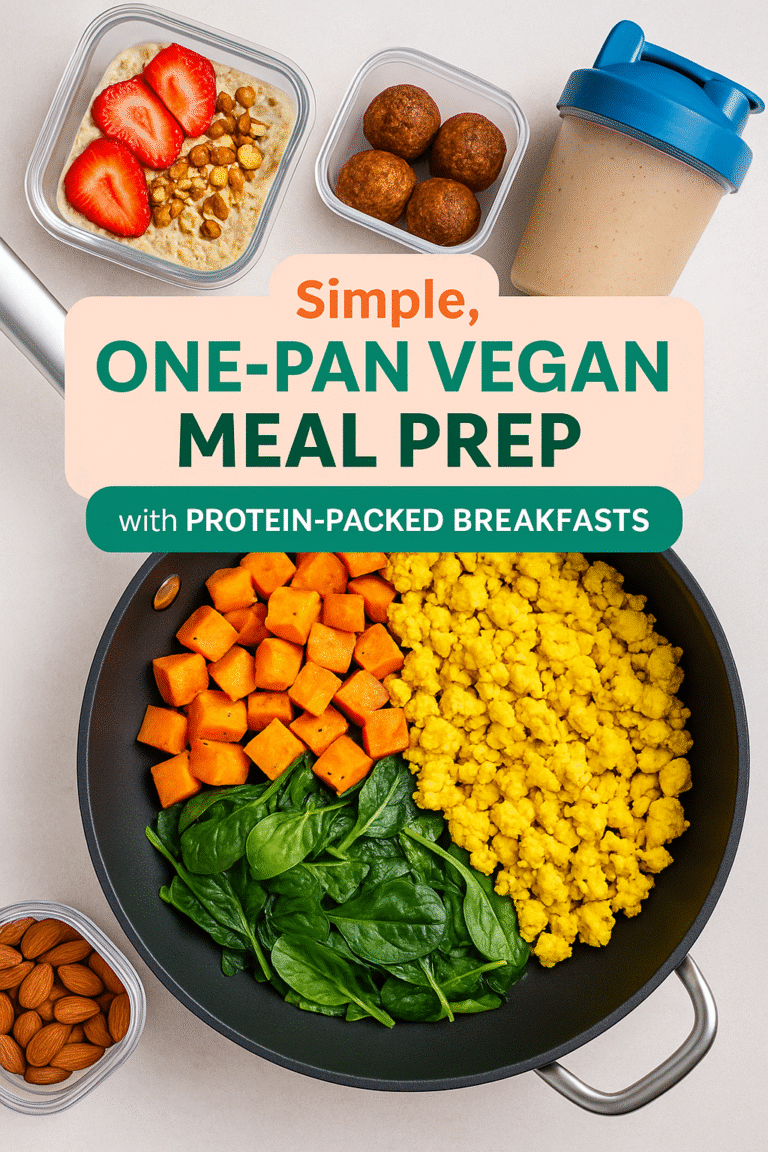
If your schedule is packed, the temptation to buy expensive convenience food is high. However, you can use batch cooking methods to save time while maintaining your diet. Spend a few hours on the weekend preparing a large batch of grains, roasted vegetables, or a hearty soup. These can be portioned out into containers for quick, healthy lunches throughout the week, preventing the need for costly takeout.
Warning: Be cautious with “health-labeled” convenience foods, as they often contain high levels of sodium or hidden sugars to compensate for processing.
Selecting Protein Sources Wisely
Protein is often the most expensive component of a diet. To keep costs down, diversify your sources. While lean meats are beneficial, they don’t need to be the centerpiece of every meal. Incorporating plant-based proteins like chickpeas, black beans, and tofu can slash your protein expenses by half. Eggs are another excellent, affordable source of high-quality protein that can be prepared in a variety of ways to keep meals interesting.
Frequently Asked Questions
Is organic food necessary for a healthy diet?
Organic food isn’t strictly necessary for a healthy diet. While it may reduce exposure to certain pesticides, the nutritional value of conventional produce is comparable. Focus on eating a wide variety of vegetables and fruits, whether organic or conventional, as the health benefits of increased produce consumption far outweigh the potential risks associated with non-organic options.
How do I stop impulse buying at the store?
Always bring a written list and stick to it strictly. Never shop while hungry, as this leads to buying calorie-dense, expensive snacks. If you struggle with impulse buys, use a grocery pickup service where you order online; this allows you to see your total cost before checkout and removes the temptation of browsing aisles filled with non-essential items.
What should I do if I have no cooking skills?
Start with simple, low-effort recipes like sheet-pan meals or basic stir-fries. Focus on mastering five healthy, budget-friendly recipes before branching out. Use online resources to find tutorials on basic techniques like boiling grains or roasting vegetables. Learning to cook is the single most effective way to control both the ingredients in your food and the money you spend.
Can supplements replace whole foods?
Supplements can’t replace the complex nutritional profile of whole foods. While they might fill minor gaps in your diet, they’re expensive and often lack the fiber and phytonutrients found in real food. Aim to get your vitamins and minerals through a diverse diet of grains, legumes, vegetables, and lean proteins rather than relying on pills or powders.
How do I handle food cravings on a budget?
Identify the root of your cravings, which are often linked to hunger or stress. Keep healthy, inexpensive snacks like apples, carrots, or air-popped popcorn on hand to satisfy hunger pangs. If you crave sweets, try frozen fruit or a small piece of dark chocolate. Planning for these moments ensures you reach for something affordable rather than ordering expensive delivery food.
Conclusion
Maintaining a healthy diet is a marathon, not a sprint. Start by identifying one specific area of your spending that you can improve, such as reducing takeout or purchasing bulk staples. Gradually build these habits into your routine, and you’ll find that a nutritious lifestyle isn’t only affordable but also sustainable for your long-term wellness.