Understanding Carbohydrates, Proteins and Fats for Your Diet
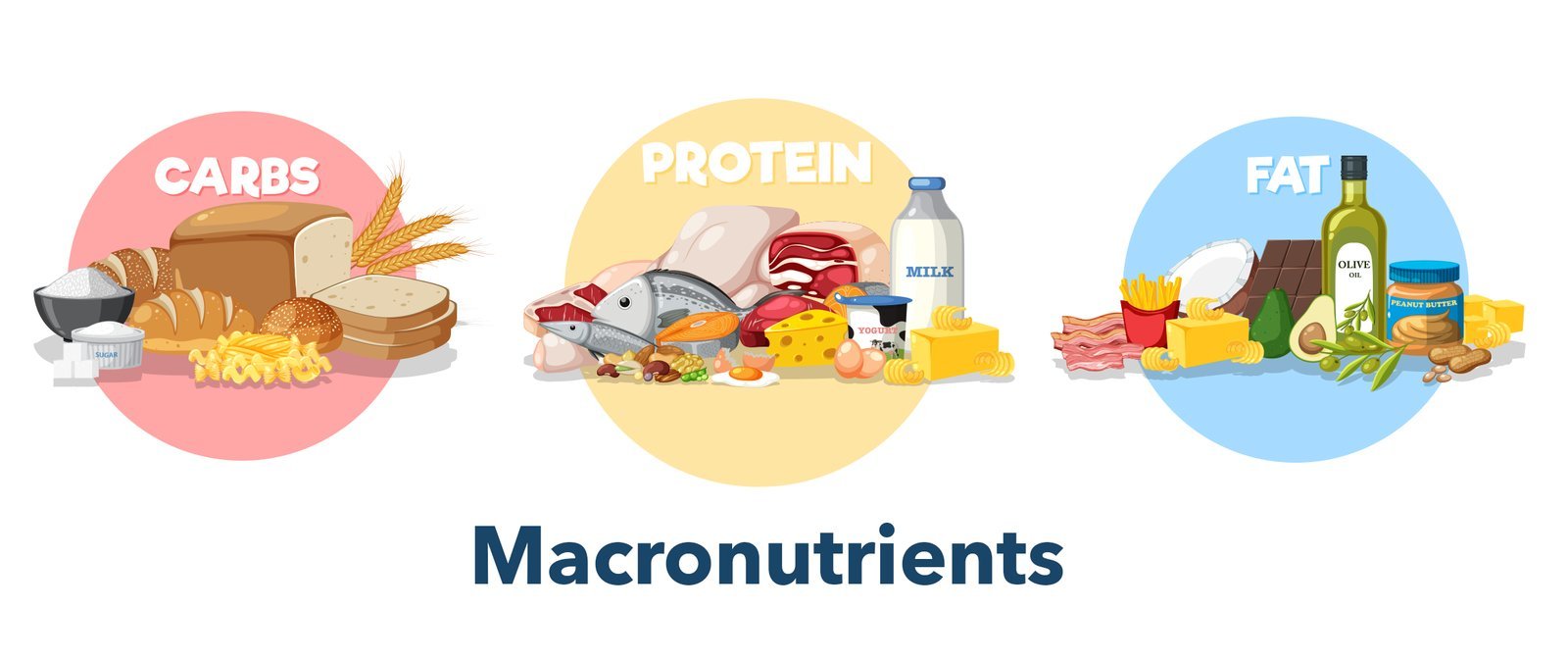
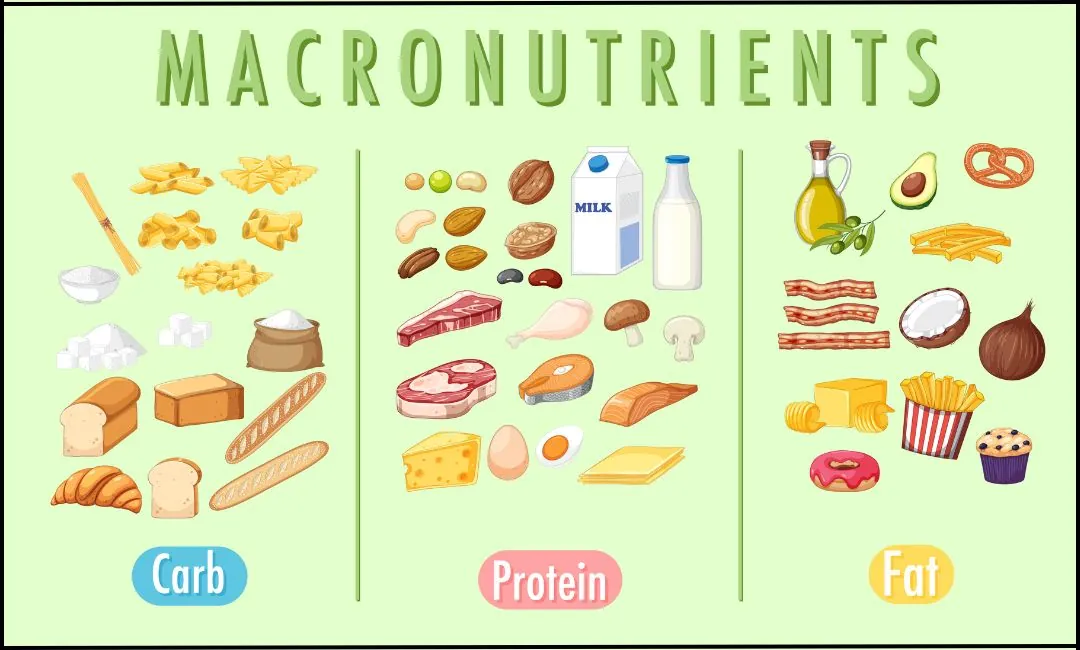
To achieve a balanced diet, it’s essential to focus on understanding carbohydrates, proteins and fats as the primary building blocks of human nutrition. These three macronutrients provide the energy your body requires to function, grow, and repair itself. While each serves a distinct biological purpose, they work in tandem to maintain metabolic health. By learning how to identify quality sources of these nutrients, you can make informed decisions that support your long-term wellness goals and physical performance.
Key Takeaways

- Carbohydrates are your body’s primary fuel source for high-intensity activity and brain function.
- Proteins are the essential building blocks for repairing muscle tissue and supporting immune health.
- Healthy fats are necessary for hormone production and the absorption of fat-soluble vitamins.
- Focus on whole, unprocessed food sources to maximize the nutrient density of your daily intake.
- Consult with a registered dietitian if you have specific medical needs or chronic health conditions.
What Are Carbohydrates?
Carbohydrates are molecules that your body breaks down into glucose, which is the preferred energy source for your cells. They’re categorized based on their chemical structure, which influences how quickly they enter your bloodstream. Simple carbohydrates, such as those found in fruit or honey, are absorbed rapidly. Complex carbohydrates, found in whole grains and legumes, contain fiber and starch, leading to a slower, more sustained release of energy.
Sources of Quality Carbohydrates
- Oats and steel-cut grains
- Sweet potatoes and yams
- Beans, lentils, and chickpeas
- Berries and citrus fruits
- Quinoa and brown rice
Why Is Protein Important?
Protein consists of amino acids, which are the structural components of your muscles, skin, bones, and organs. Your body requires nine essential amino acids from food because it can’t manufacture them internally. Protein supports satiety, helping you feel full longer, and is critical for maintaining lean muscle mass during weight management. The Dietary Guidelines for Americans emphasize the importance of choosing lean, nutrient-dense protein sources to minimize saturated fat intake.
Comparing Common Protein Sources
| Source Type | Examples | Primary Benefit |
|---|---|---|
| Animal | Chicken, Fish, Eggs | Complete amino acid profile |
| Plant | Tofu, Tempeh, Seitan | High fiber and phytonutrients |
| Legume | Lentils, Black Beans | Low cost and shelf-stable |
| Dairy | Greek Yogurt, Cottage Cheese | High calcium and protein content |
Understanding Fats in Nutrition
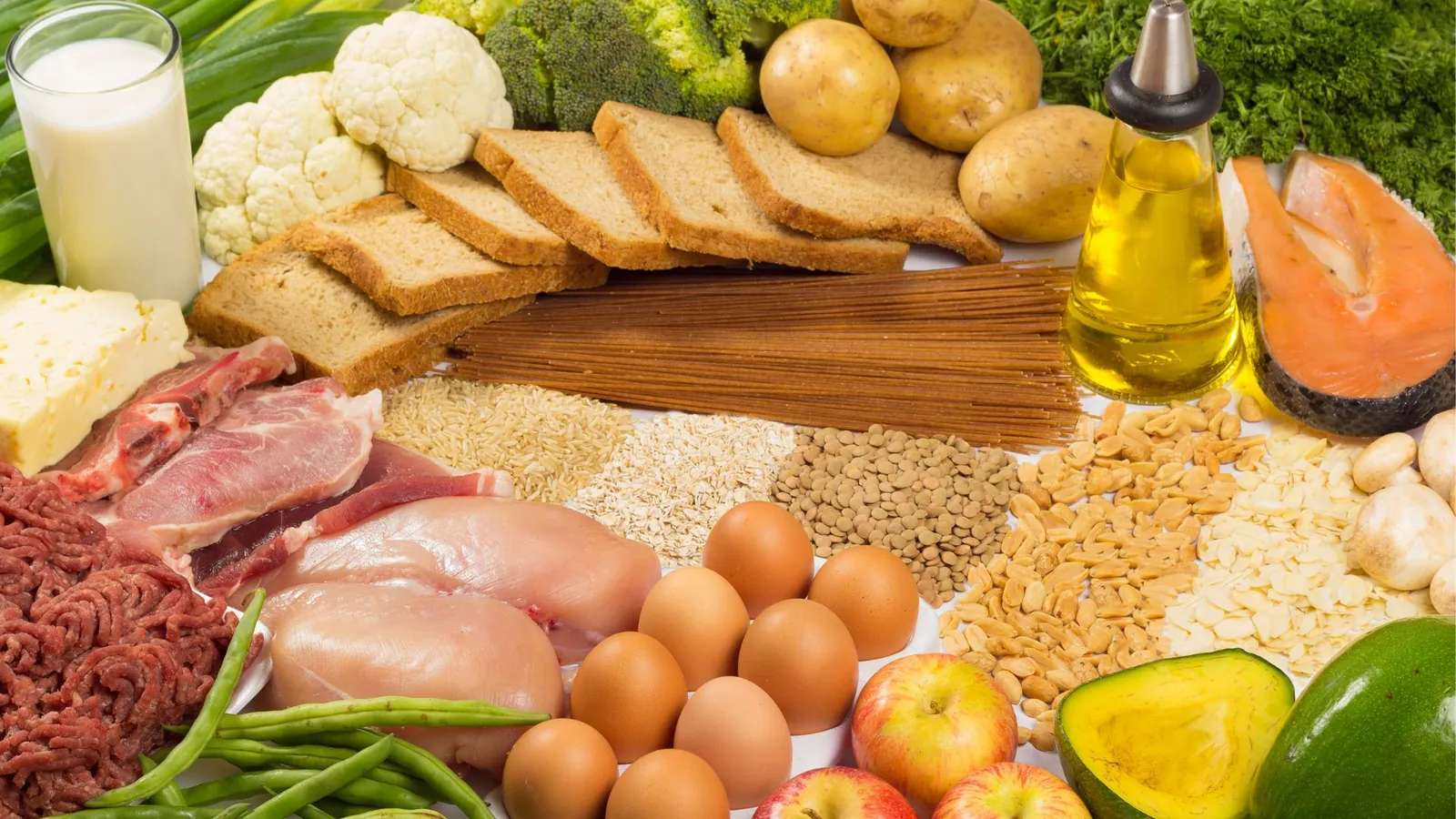
Fats are highly concentrated energy sources that play a vital role in protecting your organs, insulating your body, and facilitating the absorption of vitamins A, D, E, and K. Not all fats are created equal; the type of fat is more important than the total amount consumed. Unsaturated fats, found in plant oils and nuts, are generally considered heart-healthy, while trans fats should be avoided entirely to lower the risk of cardiovascular issues.
Healthy Fat Options
- Extra virgin olive oil
- Avocados and avocado oil
- Walnuts, almonds, and pecans
- Chia and flax seeds
- Wild-caught salmon and sardines
Balancing Carbohydrates, Proteins and Fats
Achieving a healthy balance doesn’t require obsessive tracking, but rather a focus on visual portioning. A general rule of thumb is to fill half your plate with colorful vegetables, one quarter with a high-quality protein source, and one quarter with complex carbohydrates. Fats are often added through cooking oils or as toppings, such as nuts or avocado slices.
Daily Macronutrient Distribution
| Nutrient | Typical Role | Best Food Timing |
|---|---|---|
| Carbohydrates | Immediate fuel | Before and after exercise |
| Proteins | Tissue repair | Evenly spaced throughout day |
| Fats | Sustained energy | Included in most main meals |
Pro Tip: If you feel sluggish during the afternoon, check if your lunch contained enough fiber-rich carbohydrates and protein to prevent a rapid blood sugar crash.
Troubleshooting Common Diet Issues
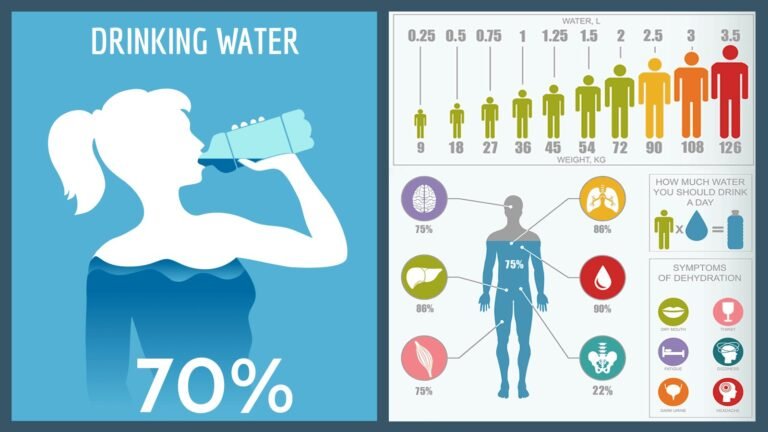
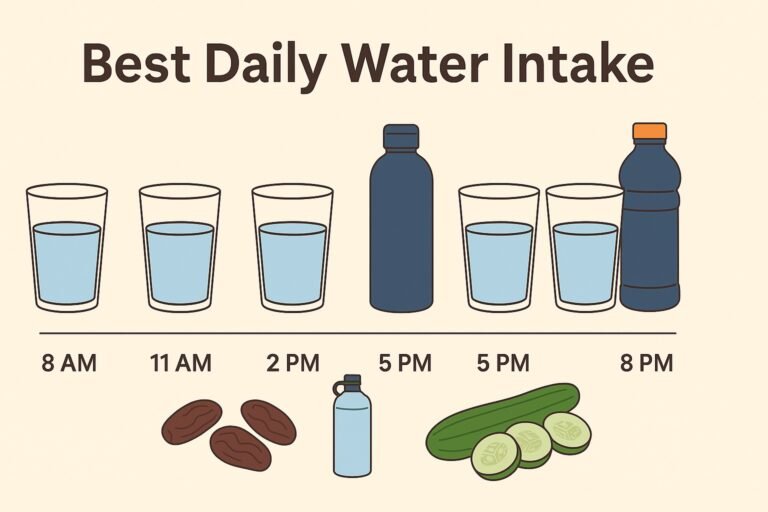
Many people struggle with fatigue or digestive discomfort when adjusting their intake. If you increase your fiber intake, do so gradually and drink plenty of water to prevent bloating. If you find you’re constantly hungry, you may be lacking sufficient protein or healthy fats, which are key for signaling fullness to your brain. Always listen to your body’s hunger cues rather than relying strictly on rigid calorie counts.
Are Supplements Ever Necessary?
While whole foods should always be your priority, supplements can occasionally fill gaps in your nutritional profile. For example, if you follow a strictly plant-based diet, you may need to monitor your vitamin B12 intake. Athletes might find protein powders convenient for post-workout recovery. However, supplements can’t replace the complex matrix of vitamins, minerals, and antioxidants found in unprocessed, whole foods.
Warning: Always speak with a healthcare provider before starting any new supplement regimen, especially if you’re currently taking prescription medications or have pre-existing health conditions.
Frequently Asked Questions
Do I need to cut carbs to lose weight?
Weight loss is primarily driven by a caloric deficit rather than the elimination of any single macronutrient. While some people find success with lower-carb diets, carbohydrates provide essential energy for physical activity and brain function. Focusing on complex, fiber-rich carbohydrates instead of refined sugars is usually more sustainable for long-term health and weight management than total elimination.
How much protein do I actually need?
Protein needs vary based on your age, activity level, and muscle mass goals. Most sedentary adults need enough to maintain basic health, while active individuals and strength athletes require more to support muscle repair. Generally, aiming for a consistent portion of protein at each meal is an effective way to meet your body’s requirements without needing complex mathematical calculations.
Is eating fat going to make me gain weight?
Dietary fat is calorie-dense, meaning it contains more calories per gram than protein or carbohydrates. While fat is an essential part of a healthy diet, consuming it in excess can contribute to a caloric surplus. The key is moderation and choosing healthy unsaturated fats while being mindful of the total energy density of your meals throughout the day.
Can I get enough protein from plants?
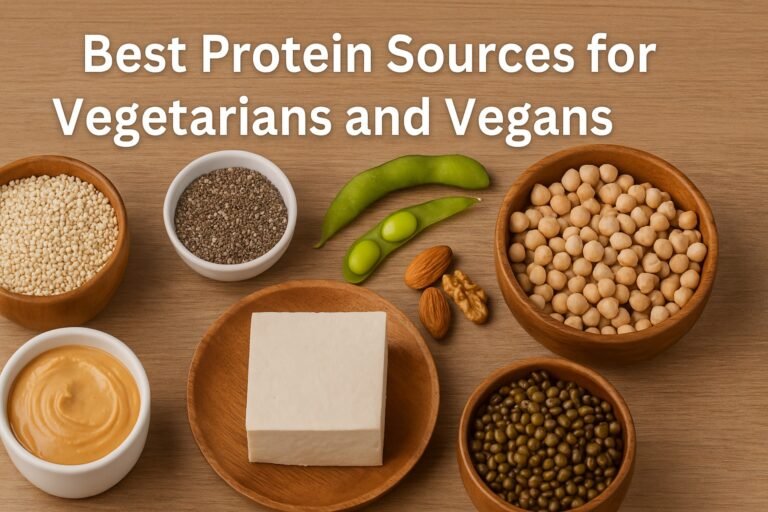
Yes, it’s entirely possible to meet your protein requirements through plant-based sources. You don’t need to eat all essential amino acids in a single meal; your body stores them over the course of the day. By consuming a variety of beans, lentils, nuts, seeds, and soy products, you can easily obtain a complete profile of the amino acids necessary for health.
What are the worst foods for my health?
Foods that are highly processed, high in added sugars, and rich in trans fats are generally considered the most detrimental. These items often provide empty calories without the vitamins, minerals, or fiber your body needs to thrive. Minimizing these while focusing on whole, minimally processed ingredients will significantly improve your nutritional profile over time and support your metabolic health.
Conclusion
Start by auditing your current eating habits for three days to identify which macronutrients you might be missing. If you find that your meals are consistently low in protein or fiber, choose one small change to make tomorrow, such as adding a handful of nuts to your breakfast or swapping white bread for a whole-grain alternative. Small, consistent shifts in your food choices build the foundation for a healthier lifestyle.