How to Choose Halal Protein Supplements: A Practical Guide
Navigating the world of sports nutrition requires diligence, especially when you’re trying to adhere to specific dietary laws. When you begin the process of how to choose halal protein supplements, you’re essentially looking for transparency in the supply chain and a commitment to ingredient integrity. Protein powders aren’t just simple mixtures of whey or plant bases; they contain various additives, enzymes, and flavoring agents that can be derived from non-compliant sources. By understanding the complexity of these manufacturing processes, you can make informed decisions that align with your lifestyle and your personal values without compromising your fitness goals.
Key Takeaways
- Check for official halal certification seals from reputable, recognized authorities on the packaging.
- Scrutinize the ingredient list for hidden animal-derived components like gelatin, collagen, or carmine.
- Prioritize brands that maintain a transparent supply chain and provide clear documentation upon request.
- Understand the difference between naturally halal ingredients and those that require specific processing methods.
- Avoid products containing alcohol-based flavorings or enzymes sourced from non-zabiha animal tissues.
Understanding the Halal Certification Process
The term “halal” signifies that a product is permissible under Islamic law. In the context of protein supplements, this extends far beyond the absence of pork. It encompasses the source of the protein, the methods used to process it, and the purity of all supplemental ingredients. Certification bodies conduct rigorous audits of manufacturing facilities to ensure that no cross-contamination occurs between halal-compliant production lines and non-compliant ones.
Why Certification Matters
Certification acts as a third-party verification system. Without it, you’re relying solely on the manufacturer’s internal claims. Reputable organizations like the Islamic Food and Nutrition Council of America provide oversight to ensure that manufacturing practices meet the necessary standards. When a company earns this seal, it indicates that they have opened their doors to inspection, verified their ingredient sources, and implemented protocols to prevent contamination.
Identifying Problematic Ingredients
Many supplements rely on additives that might seem benign but can pose challenges for those seeking halal products. Gelatin, often used in capsules or as a stabilizer, is frequently sourced from bovine or porcine hides and bones. If the bovine source wasn’t slaughtered according to specific requirements, the resulting gelatin isn’t considered halal. Similarly, certain enzymes used in the production of whey protein concentrate, such as rennet, must be carefully vetted.
| Ingredient | Potential Source | Halal Consideration |
|---|---|---|
| Whey Protein | Dairy | Must use microbial or halal-certified rennet |
| Gelatin | Animal hides/bones | Must be from halal-slaughtered animals |
| Flavorings | Various | Avoid alcohol-based carriers or solvents |
| Amino Acids | Fermentation/Animal | Verify if synthetic or plant-derived |
| Vitamin D3 | Lanolin/Fish | Check if source is permissible |
Evaluating Whey and Plant Proteins
When you’re weighing your options, the base of the protein powder is the most significant factor. Whey protein is a byproduct of cheese production. The critical point of failure in the halal status of whey is the enzyme used to coagulate the milk.
If the cheese-making process uses animal-derived rennet from non-zabiha sources, the whey is compromised. Conversely, plant-based proteins, such as pea, soy, or brown rice protein, are generally easier to verify as they don’t involve animal slaughter. However, you must still ensure that the facility doesn’t process non-halal items on the same equipment.
How to Check Manufacturer Transparency
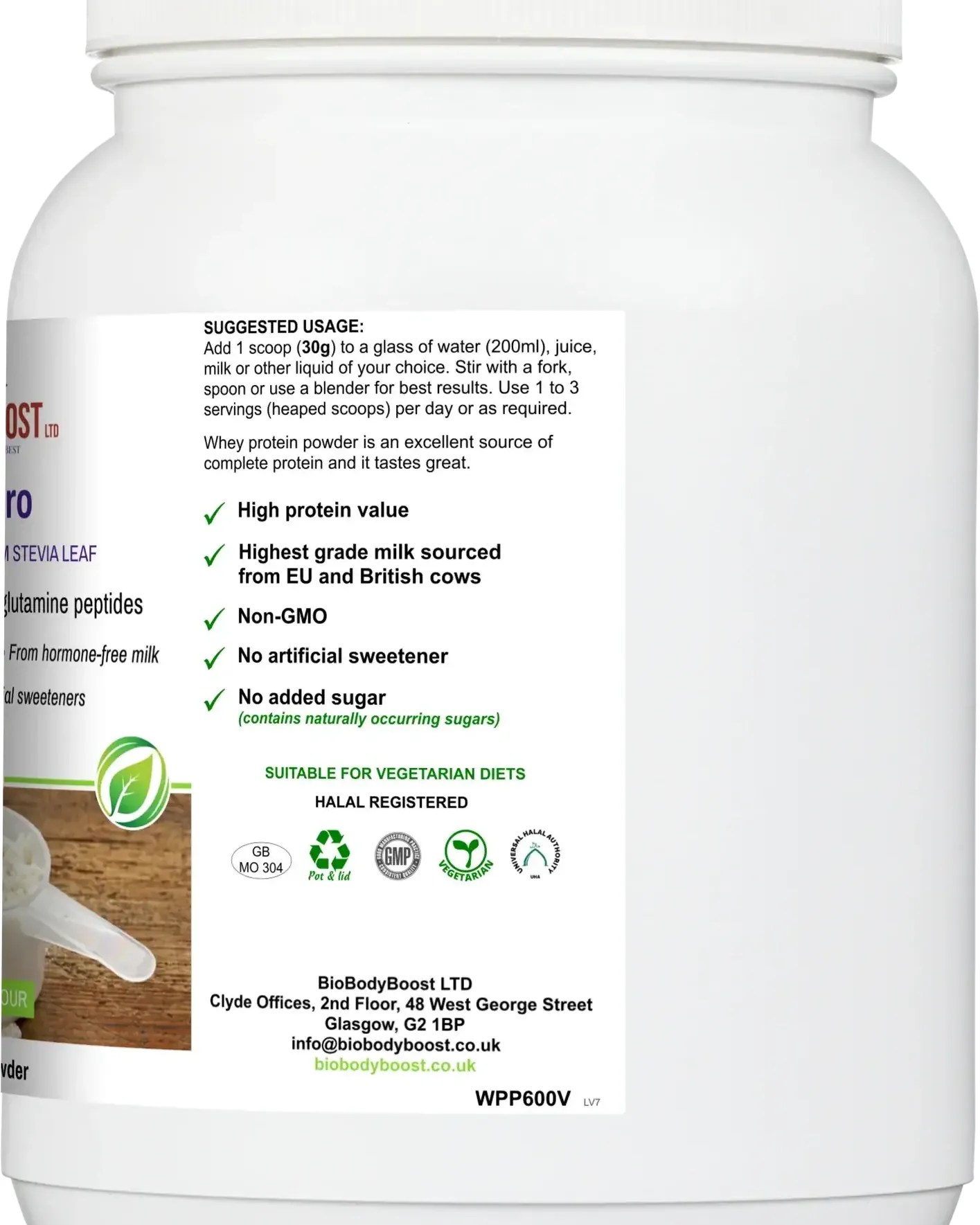
Pro Tip: If a product label doesn’t display a certification seal, look for a “suitable for vegetarians” or “vegan” label. While this doesn’t guarantee the product is halal—as alcohol-based flavorings could still be present—it often eliminates the risk of porcine-derived ingredients. Always contact the manufacturer directly to ask about their sourcing of enzymes and flavoring agents if you’re in doubt.
Avoiding Hidden Alcohol and Additives
Some flavoring agents and extracts use ethanol as a solvent to carry the taste profile. While trace amounts are sometimes debated, many consumers prefer to avoid any products where alcohol is used in the processing of ingredients. Furthermore, food colorings like carmine, which is derived from insects, are classified differently by various schools of thought. If you’re strictly observant, you should specifically look for products labeled as alcohol-free or those using natural, water-based flavorings.
Comparing Supplement Types and Risks
Choosing the right protein involves understanding the processing intensity. The more refined a supplement is, the more additives it likely contains.
| Protein Type | Processing Risk | Key Verification Step |
|---|---|---|
| Whey Isolate | High | Check rennet and enzyme source |
| Pea Protein | Low | Ensure no shared lines with non-halal |
| Casein | Medium | Verify source of coagulation enzymes |
| Beef Protein | Very High | Confirm zabiha slaughter compliance |
What Does the FDA Say?
The United States Food and Drug Administration (FDA) regulates food labeling to ensure that manufacturers don’t make false claims regarding the content or nature of a product. While the FDA doesn’t define or regulate the term “halal,” it does mandate that labels be accurate regarding the presence of major allergens and other significant components.
Troubleshooting Common Labeling Issues
If you encounter a label that says “natural flavors,” this is a red flag. This term is a catch-all that can hide hundreds of different chemical compounds, some of which might involve alcohol or animal derivatives. If you can’t get a clear answer from the company regarding the composition of their “natural flavors,” it’s safer to choose a different brand. Never settle for vague responses when you’re investing in your long-term health and dietary observance.
How to Find Reliable Brands
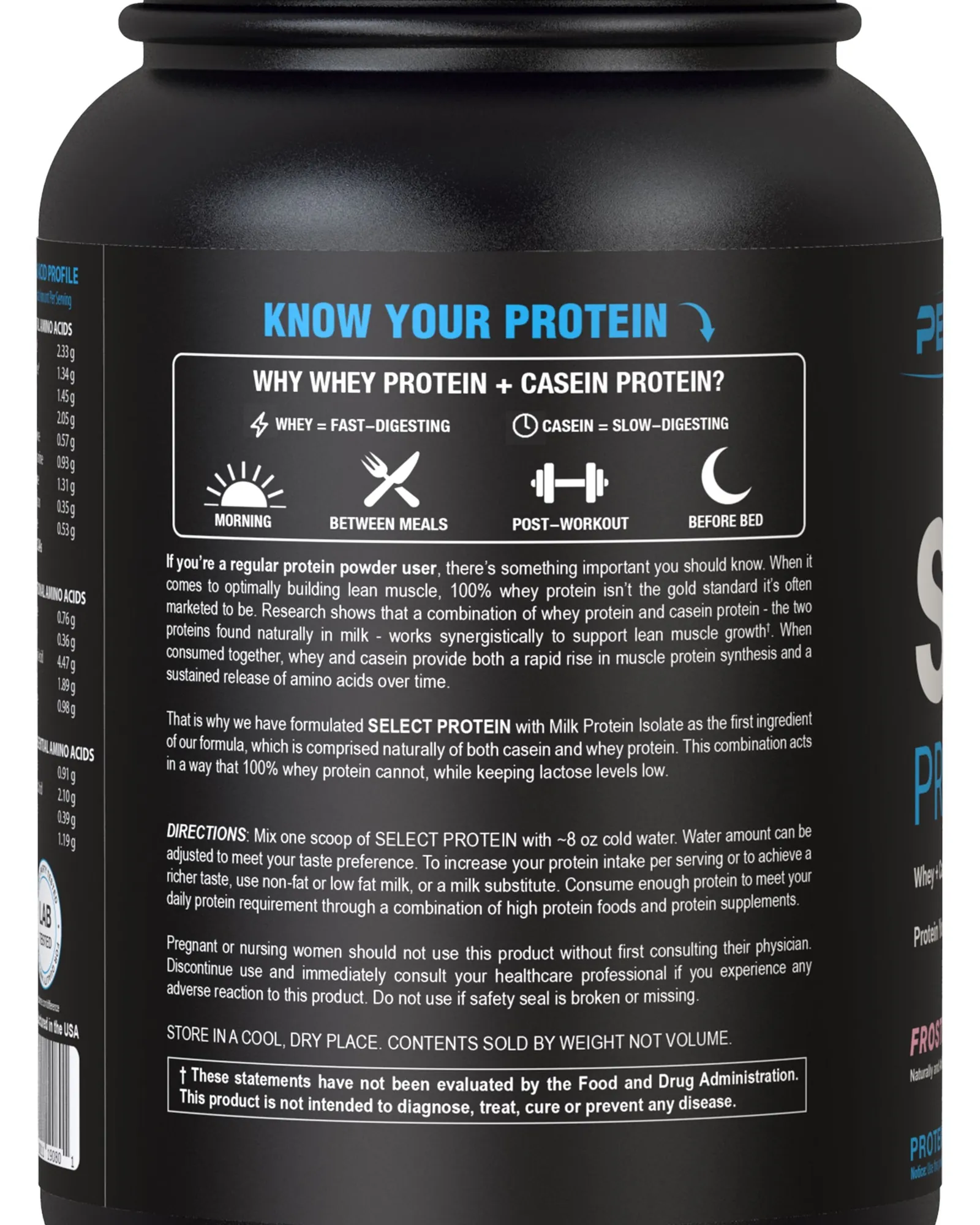
You should prioritize brands that cater specifically to the halal market. These companies often have a vested interest in maintaining their reputation within the community and are usually more willing to share their certification documentation. You can often find these products in specialized health stores or through direct-to-consumer websites that clearly highlight their certification status.
Frequently Asked Questions
Is all whey protein inherently halal?
No, whey is a byproduct of cheese production, and its halal status depends entirely on the rennet used during the coagulation process. If the rennet is derived from non-zabiha animals or if the production line is shared with non-halal products, the whey isn’t considered compliant. You must verify the source of the enzymes used by the cheese manufacturer.
Can I trust a product just because it’s labeled vegan?
A vegan label is a good starting point because it eliminates animal-derived ingredients like gelatin or non-zabiha collagen. However, it doesn’t guarantee the product is halal. Some vegan products may still contain alcohol-based flavorings or be manufactured in facilities that process non-halal items. Always look for a specific halal certification symbol alongside any other dietary claims.
Are amino acid supplements usually halal?
Amino acids are often produced through microbial fermentation, which is generally permissible. However, some can be extracted from animal hair or feathers. The extraction process is the key factor. If you see “BCAAs” or “L-Glutamine” on a label, check the manufacturer’s website or contact them to confirm the origin of the amino acids and the solvents used in their purification.
What should I do if a company refuses to provide information?
If a company is unwilling to disclose the source of their enzymes or the nature of their flavoring carriers, you should avoid their products. Transparency is a hallmark of a trustworthy manufacturer. There are plenty of brands that prioritize clear communication and hold valid certifications, so there’s no reason to compromise your standards for a company that isn’t forthcoming.
Does the “halal” label mean the product is healthy?
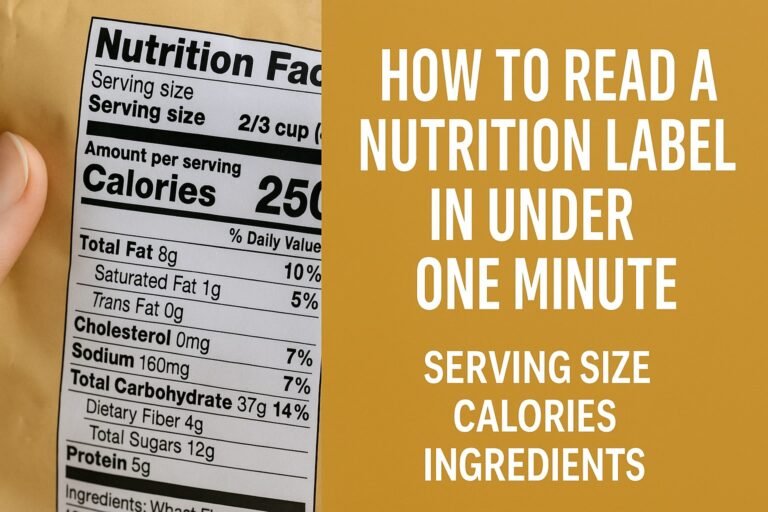
No, the halal label only confirms that the product meets specific religious requirements regarding ingredients and processing. It doesn’t indicate the nutritional quality, the amount of added sugars, or the presence of artificial sweeteners. You should always read the nutrition facts panel to ensure the supplement aligns with your fitness and health goals, regardless of its halal status.
Is it better to choose plant-based proteins?
Plant-based proteins are often easier to verify because they don’t involve animal slaughter, which is the most complex part of the halal certification process. By choosing pea, soy, or brown rice protein, you significantly reduce the risk of encountering non-zabiha animal products. However, you must still check for cross-contamination risks and ensure that no alcohol or non-compliant additives are used in the flavoring process.
Conclusion
Warning: Don’t rely solely on internet forums or anecdotal advice when choosing supplements, as these sources are often inaccurate regarding the specific manufacturing processes of various brands. Always seek out official documentation or direct confirmation from the manufacturer’s quality control department. Making the effort to verify these details now will provide you with peace of mind and ensure your nutritional intake remains consistent with your personal values and dietary requirements.