Benefits of Taking Rest Days for Better Fitness Results
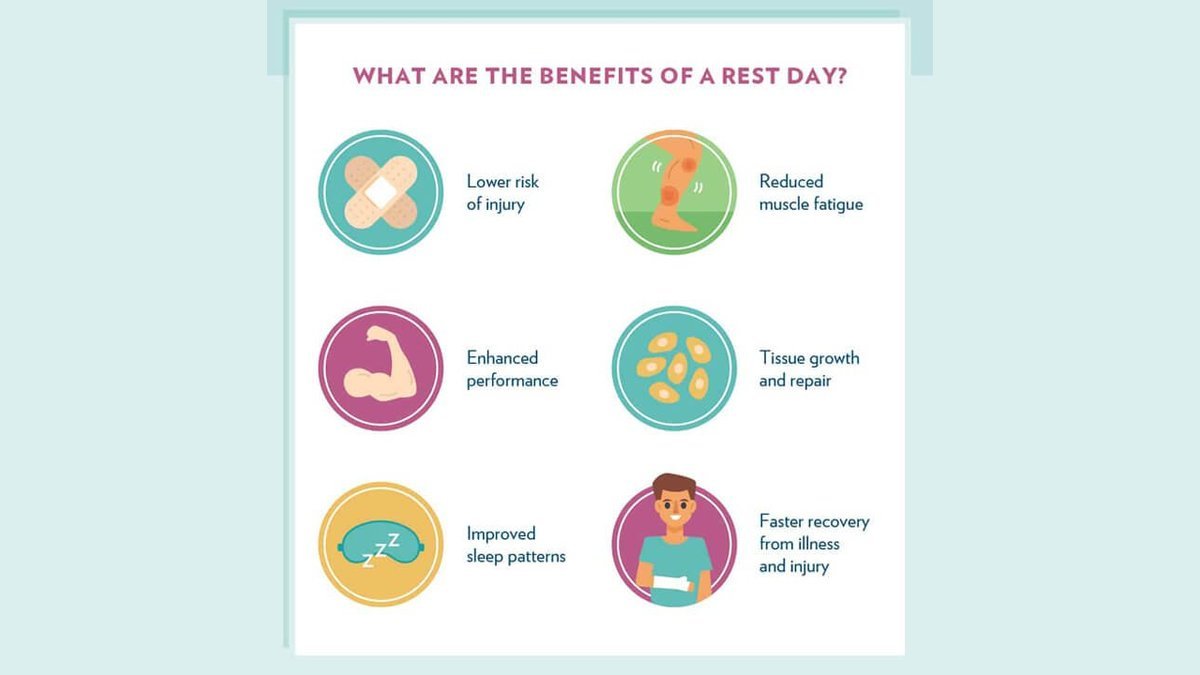
Many people who begin a new fitness routine worry that slowing down will derail their progress, but understanding the benefits of taking rest days is essential for long-term success. By intentionally stepping back from intense training, you allow your body the necessary time to repair the microscopic tears in muscle tissue that occur during exercise. This period of inactivity isn’t wasted time; rather, it’s the phase where your body actually builds strength, refines its energy stores, and prepares for the next challenge. Without this critical cycle of exertion and recovery, you risk stalling your physical improvements and increasing your susceptibility to injury.
Key Takeaways
- Recovery time is when muscle tissue repairs and grows stronger through protein synthesis.
- Resting prevents the accumulation of central nervous system fatigue and hormonal imbalances.
- Active recovery, such as light walking or yoga, can promote blood flow better than total inactivity.
- Sleep quality is often improved when the body isn’t in a constant state of physiological stress.
- Monitoring resting heart rate and mood can help you identify when a day off is overdue.
Benefits of Taking Rest Days for Results
Improved Muscle Repair and Growth
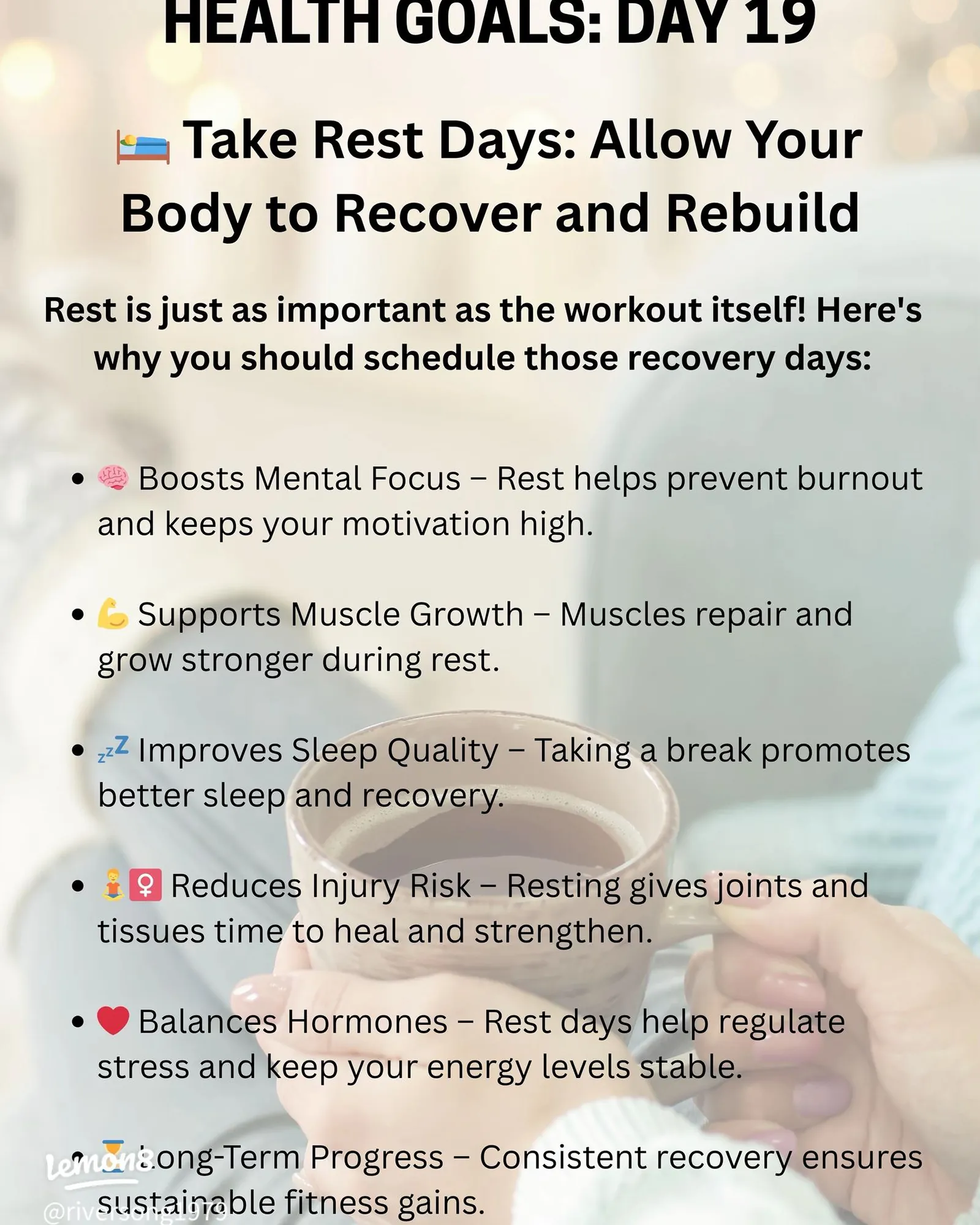
During intense workouts, you create micro-trauma in your muscle fibers. Rest days provide the window required for your body to repair these fibers, which results in thicker, stronger muscles. If you never stop, you’re essentially breaking down tissue faster than your body can rebuild it, which leads to stagnation.
Replenishment of Glycogen Stores
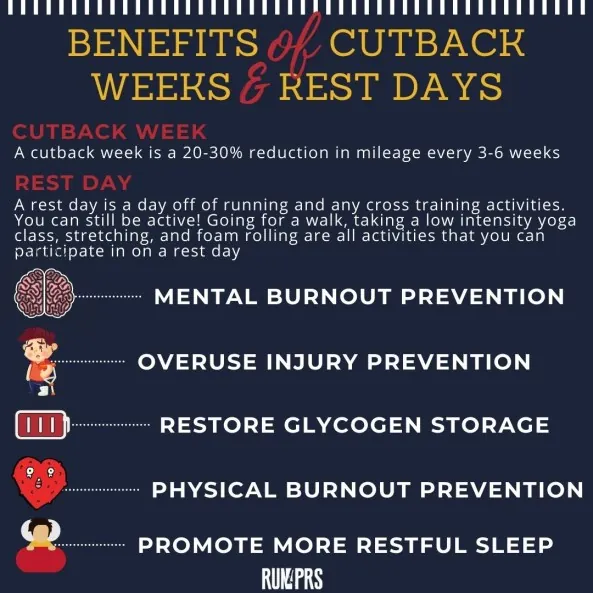
Your muscles store carbohydrates as glycogen to provide fuel for high-intensity activity. When you train daily without sufficient rest, these stores become depleted. Taking a day off allows your body to fully restock these energy reserves, ensuring you have the fuel necessary for high-performance training sessions later in the week.
Prevention of Overtraining Syndrome
Overtraining occurs when the volume and intensity of exercise exceed your body’s capacity to recover. This can lead to persistent fatigue, mood disturbances, and a weakened immune system. Regular rest days act as a vital reset button, keeping your hormone levels stable and preventing the onset of chronic exhaustion.
Reduced Risk of Injury
Repetitive stress on joints, ligaments, and tendons can lead to overuse injuries like stress fractures or tendonitis. By incorporating rest, you give these structural components time to heal and adapt to the stresses of your training. This longevity is crucial for maintaining a consistent fitness lifestyle over many years.
Enhanced Mental Clarity and Motivation
Physical training is mentally demanding. Constant pressure to perform can lead to burnout and a loss of enthusiasm for your workouts. Rest days provide a psychological break, allowing you to return to the gym or the trail with renewed focus and a higher level of motivation.
How to Structure Your Recovery
| Recovery Type | Primary Activity | Best Use Case |
|---|---|---|
| Passive Rest | Total inactivity | After high-intensity, full-body sessions |
| Active Recovery | Gentle movement | Following moderate endurance training |
| Deload Week | Reduced intensity/volume | After 4-6 weeks of heavy lifting |
Active Recovery Versus Total Rest
Pro Tip: Choose active recovery on days when you feel stiff or sluggish, as gentle movement can help flush metabolic waste products from your muscles.
Active recovery involves low-impact activities like light swimming, walking, or gentle stretching. This helps maintain blood flow to the muscles, which delivers essential nutrients for repair without placing high stress on the musculoskeletal system. In contrast, total rest is best reserved for days following exceptionally taxing workouts or when you feel the early signs of physical illness.
Signs You Need a Break
- Persistent muscle soreness that lasts more than three days.
- Difficulty sleeping or feeling restless despite being tired.
- A noticeable decline in performance or strength in the gym.
- Increased irritability or a lack of interest in training.
- Frequent minor illnesses like colds or persistent headaches.
Creating a Balanced Weekly Schedule
Planning your week with recovery in mind is a hallmark of a smart athlete. You don’t need to take a full day off every time you train, but you should aim for at least one or two days of reduced activity.
| Day | Training Intensity | Focus Area |
|---|---|---|
| Monday | High | Strength Training |
| Tuesday | Moderate | Cardiovascular Endurance |
| Wednesday | Low/Rest | Active Recovery |
| Thursday | High | Strength Training |
| Friday | Moderate | Cardiovascular Endurance |
| Saturday | High | Functional Conditioning |
| Sunday | Rest | Full Recovery |
How Do You Know When You Are Recovered?
Recovery is often subjective, but you can use objective markers to guide your decisions. A consistently elevated resting heart rate compared to your baseline is a strong indicator that your body is still under stress.
Furthermore, according to the National Institute of Arthritis and Musculoskeletal and Skin Diseases, taking time to heal is the most effective way to prevent the chronic pain associated with repetitive sports injuries. If your muscles feel tender to the touch or you struggle with basic range-of-motion tasks, take another day off.
Common Mistakes During Rest Days
- Overeating junk food: While you need fuel, prioritize nutrient-dense foods to support repair.
- Neglecting hydration: Your body needs water to facilitate the repair of muscle tissues.
- Ignoring sleep: Deep sleep is the most potent recovery tool you have available.
- Constant sedentary behavior: If you’re truly sedentary, try to at least do some light mobility work.
How to Optimize Your Rest Day
Warning: Don’t confuse a rest day with a cheat day; maintaining your protein intake is still vital for muscle repair, even when you aren’t lifting weights.
Focus on activities that reduce cortisol levels, such as meditation, reading, or light foam rolling. These habits help transition your body from a “fight or flight” sympathetic nervous state into a “rest and digest” parasympathetic state, which is where the most effective healing occurs.
Managing Soreness and Inflammation
Delayed Onset Muscle Soreness (DOMS) is a normal response to new or intense stimulus. While it can be uncomfortable, it isn’t always a sign that you need to stop completely. However, if the pain is sharp or localized to a joint, it’s a clear signal to prioritize rest until the discomfort subsides. Using heat or cold therapy can sometimes provide temporary relief, but rest remains the primary mechanism for true physiological recovery.
Frequently Asked Questions
Is it okay to be completely sedentary on a rest day?
Yes, it’s perfectly fine to be sedentary if your body is exhausted. Sometimes, total rest is exactly what your nervous system needs to recover from high-intensity training. Listen to your body; if you feel drained, prioritize sleep and relaxation over any form of movement. Total inactivity on occasion won’t cause a loss of fitness or muscle mass.
Should I still eat the same amount on rest days?
You may not need as many carbohydrates on rest days because your energy expenditure is lower. However, keep your protein intake consistent to ensure your muscles have the building blocks they need for repair. Focus on whole foods and plenty of water rather than strictly counting calories, as your body needs fuel for the recovery processes that are actively occurring.
Can I do cardio on my rest day?
You can perform light cardio, such as a casual walk or a slow bike ride, but avoid high-intensity interval training or long-distance runs. The goal of cardio on a rest day is to encourage circulation, not to burn a specific number of calories or improve your aerobic capacity. Keep the intensity low enough that you could easily hold a conversation while doing it.
How many rest days per week are ideal?
The ideal number of rest days depends on your training intensity and experience. Most people benefit from one to three rest days per week. If you’re a beginner, you might require more frequent rest to allow your body to adapt. Advanced athletes might take fewer full days off but incorporate “deload” weeks every month to manage cumulative fatigue and prevent long-term burnout.
Will I lose my gains if I take too many rest days?
Muscle loss occurs only after a significant period of inactivity, typically several weeks or months. Taking one or two extra rest days when you’re feeling run down won’t cause you to lose your progress. In fact, by preventing burnout and injury, you’re protecting your long-term gains far more effectively than you would by pushing through pain and risking a long-term setback.
Conclusion
Commit to listening to your body’s signals rather than strictly adhering to an arbitrary schedule. By integrating these recovery habits, you ensure that your hard work in the gym translates into sustainable progress. Start by scheduling your next rest day on your calendar today and honor that commitment as part of your training plan.