What Happens When You Exercise Without Enough Sleep: The Risks | Fit Life Boost
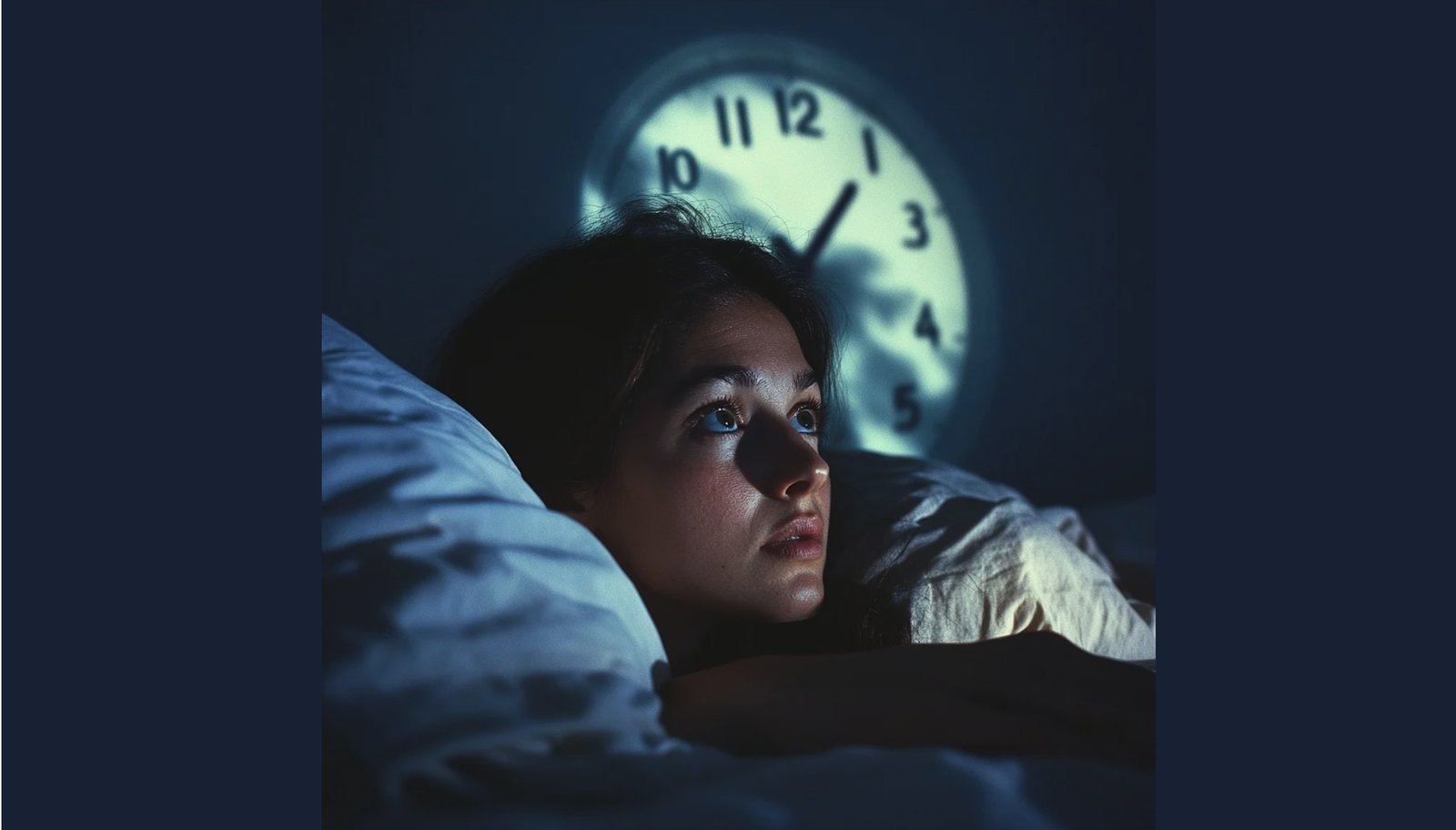
When you exercise without enough sleep, your body struggles to repair muscle tissue, your coordination drops, and your risk of injury increases significantly. You’ll likely find your strength and endurance are lower than usual, while your heart rate stays higher during simple movements, making the entire session feel much harder than it should be.
How Lack of Rest Changes Your Performance
Training on limited sleep alters how your central nervous system communicates with your muscles. Without the recovery time that happens during deep sleep, your brain doesn’t send signals as quickly or as accurately. This means your reaction time slows down, which is dangerous if you’re lifting heavy weights or performing fast, complex movements.
Think of your motor units as a relay team. When you’re well-rested, the handoff between your brain and your limbs is seamless. When you’re sleep-deprived, the signal arrives with a stutter. You might find that a weight you usually handle with ease suddenly feels heavier, or your balance falters during a simple lunge.
Your body also relies on sleep to regulate hormones like cortisol and growth hormone. High cortisol levels from sleep debt can lead to muscle breakdown rather than the growth you’re trying to achieve. You aren’t just losing out on gains; you’re actively working against your fitness goals by pushing a body that’s already in a state of stress.
| Activity Type | Effect of Poor Sleep | Risk Level |
|---|---|---|
| Strength Training | Reduced power and slower recovery | High |
| Cardiovascular | Lower endurance and higher heart rate | Moderate |
| HIIT/Agility | Poor coordination and reaction time | Very High |
If you notice your heart rate spiking higher than usual during a standard warmup, your cardiovascular system is signaling that it’s struggling to compensate for the fatigue.
Signs You Should Skip Your Workout
Sometimes the best way to hit your fitness goals is to recognize when you need to stay in bed. If you wake up and feel like your body hasn’t moved through a full sleep cycle, you should pay attention to specific physical cues. You don’t need to push through a session if your performance will suffer or if you’re putting yourself at risk.
- Elevated resting heart rate: Check your pulse before getting out of bed; if it’s significantly higher than your normal baseline, your body is still stressed.
- Persistent mental fog: If you’re struggling to focus or feel dizzy, your nervous system isn’t ready for physical strain.
- Muscle soreness that won’t go away: If your previous workout still feels fresh and painful, your body hasn’t repaired the tissue.
- Lack of grip strength: A sudden drop in your ability to hold onto weights or maintain balance is a common sign of systemic fatigue.
Tip: If you’re truly exhausted, swap your planned high-intensity session for a light walk or some gentle stretching, as this keeps your routine alive without adding extra stress to your system.
How Sleep Debt Impacts Long-Term Health
Chronic sleep deprivation while maintaining a rigorous exercise schedule can lead to a state known as overtraining syndrome. This isn’t just about feeling tired; it’s a hormonal and physical imbalance that can take weeks or months to correct. When you don’t sleep, your body can’t manage the inflammation that exercise naturally produces, which keeps your internal systems in a constant state of alert.
Consider the hormonal cost of this imbalance. Cortisol levels remain elevated, which actively breaks down muscle tissue instead of allowing it to repair. You’re essentially dismantling your progress while you train.
According to the National Heart, Lung, and Blood Institute, consistent lack of sleep also interferes with your body’s ability to regulate glucose and maintain a healthy metabolism. This makes it harder for your muscles to access the fuel they need during a workout.
Over time, this cycle can weaken your immune system, making you more susceptible to illness and delaying your ability to return to your regular training schedule. If you find your resting heart rate climbing or your motivation plummeting, your body is signaling that this long-term damage has already begun.
Frequently Asked Questions
Can I still build muscle if I don’t sleep enough?
It’s very difficult to build muscle effectively without enough sleep because muscle protein synthesis happens primarily during your rest periods. Without sufficient sleep, your body stays in a catabolic state, which means it breaks down muscle tissue rather than building it up, regardless of how hard you train.
How much sleep do I need to recover properly?
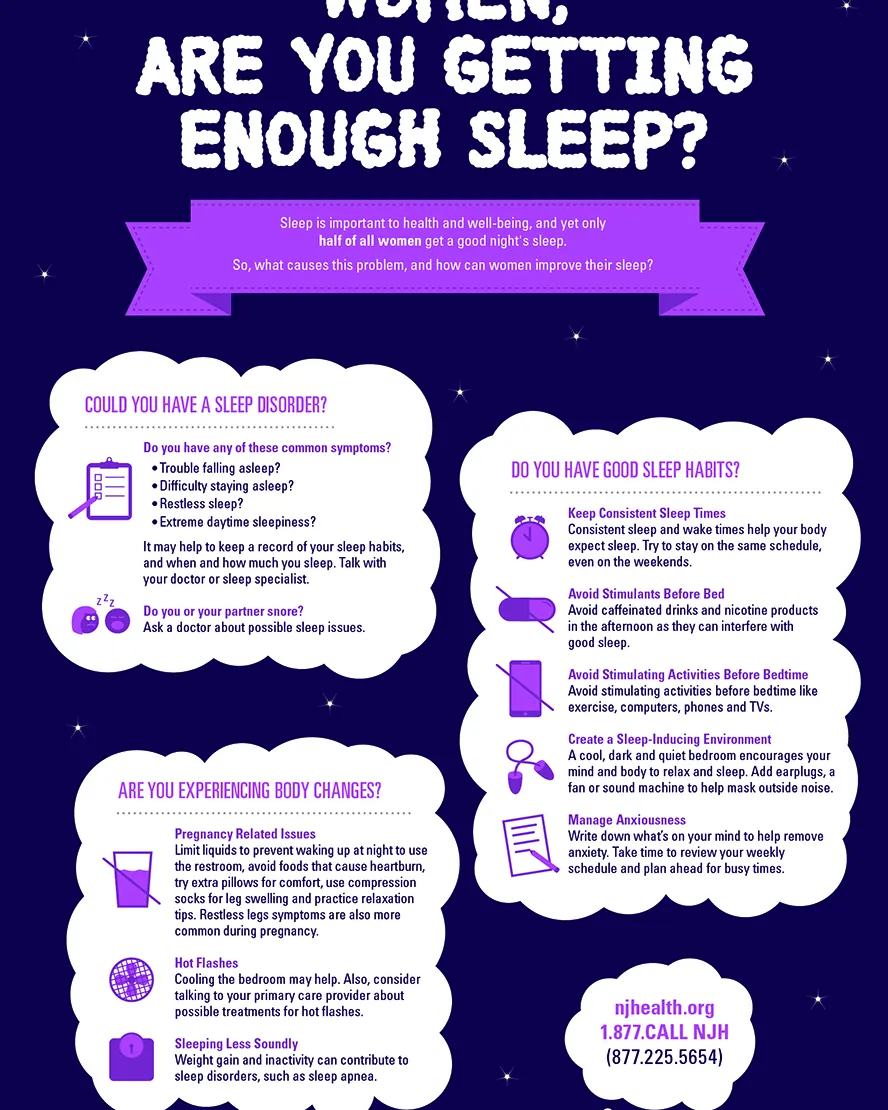
Most adults need between 7 and 9 hours of quality sleep to fully recover from physical exertion. If you’re training at a high intensity or for long durations, you may find that you need to lean toward the higher end of that range to prevent burnout and injury.
What should I do if I have to work out while tired?
If you must exercise while tired, focus on low-impact movements rather than explosive or heavy lifting. Keep your session shorter than usual, stay well-hydrated, and stop immediately if you notice your form breaking down or if you feel lightheaded during your movements.
Is it safe to drink caffeine to compensate for poor sleep?
While caffeine can provide a temporary boost to your alertness, it doesn’t replace the physical recovery your body gains from sleep. Using stimulants to push through a workout when you’re exhausted can mask your body’s signals of fatigue, which often leads to poor form and accidental injuries.
Conclusion
Evaluate how you feel each morning before deciding on the intensity of your movement for the day. If your body signals that it hasn’t recovered, prioritize an extra hour of rest over a difficult workout. Your long-term progress depends far more on your ability to recover than on any single training session.