How to Recover After an Intense Workout: A Proven Recovery Guide | kitchen setup guide
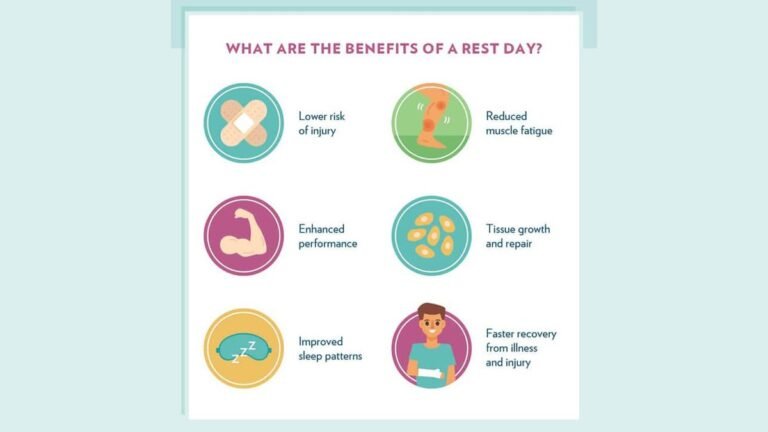
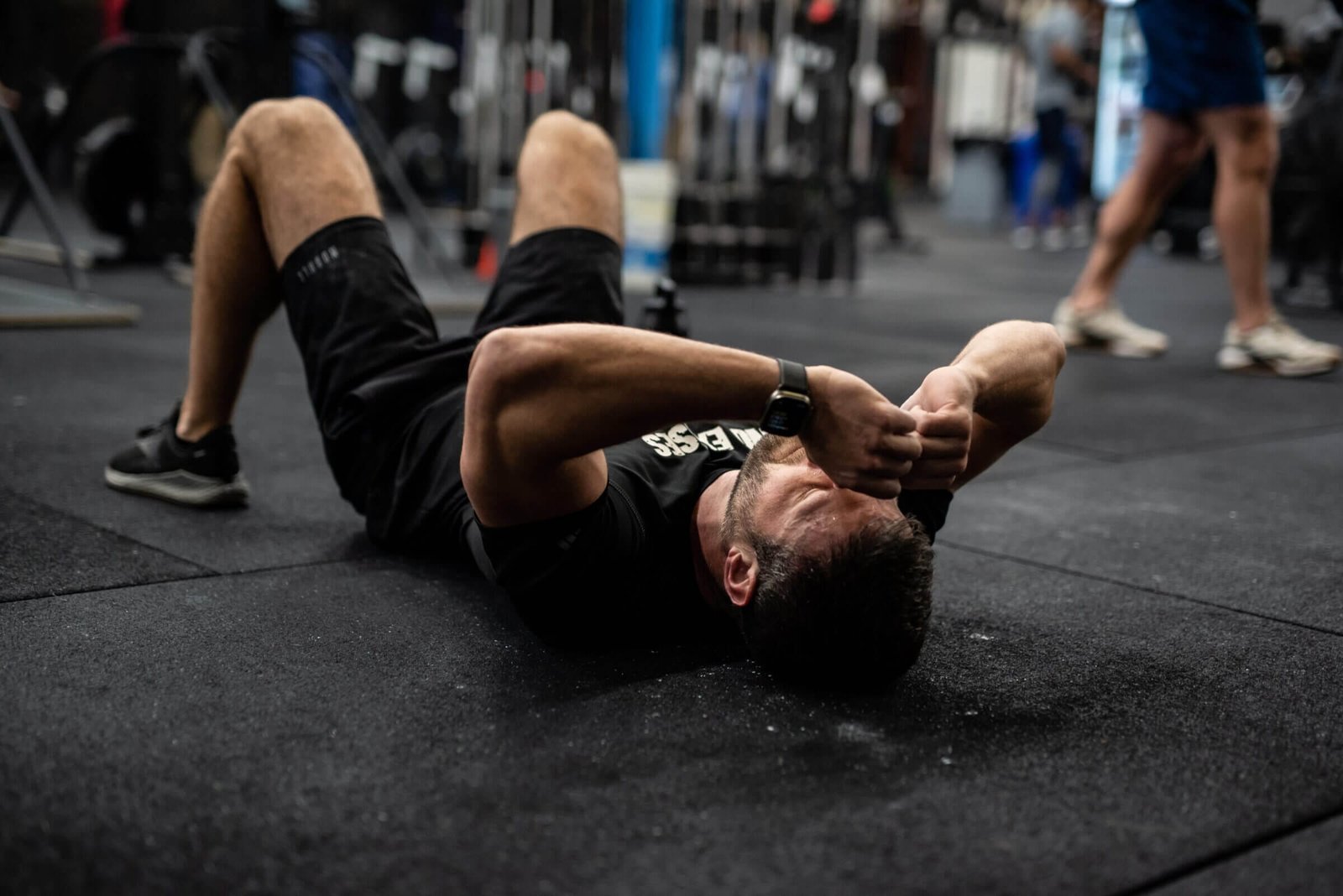
Recovering after an intense workout involves a systematic approach to replenishing energy stores, repairing muscle fibers, and reducing systemic inflammation. When you push your body to its limits, you create micro-tears in your muscle tissues and deplete glycogen levels, which necessitates a deliberate period of rest and nutritional support to achieve supercompensation. By prioritizing hydration, protein intake, and active recovery, you can minimize delayed onset muscle soreness and prepare your physiological systems for the next training session.
Key Takeaways

- Consume a high-quality protein source within sixty minutes post-exercise to kickstart muscle protein synthesis.
- Prioritize sleep, as the majority of hormonal regulation and tissue repair occurs during deep rest cycles.
- Utilize active recovery sessions, such as walking or light cycling, to improve blood flow without adding stress.
- Monitor your resting heart rate to identify signs of overtraining or insufficient recovery between sessions.
- Always consult with a healthcare professional if you experience sharp or persistent pain that doesn’t resolve with rest.
How to Recover After an Intense Workout
Recovery isn’t merely the absence of training; it’s a proactive phase of your fitness journey. After a grueling session, your body enters a catabolic state where it breaks down tissues. Your goal is to shift into an anabolic, or building, state as quickly as possible. This involves stabilizing blood sugar, replacing lost electrolytes, and managing the central nervous system fatigue that often follows high-intensity intervals or heavy lifting.
Nutrient Timing and Replenishment
Your body acts like a sponge for nutrients immediately following intense physical exertion. While the “anabolic window” isn’t as narrow as once believed, fueling promptly helps normalize hormone levels and reduces cortisol.
| Nutrient Category | Primary Function | Best Sources |
|---|---|---|
| Protein | Muscle fiber repair | Whey, chicken, tofu, lentils |
| Carbohydrates | Glycogen replenishment | Sweet potatoes, oats, berries |
| Electrolytes | Fluid balance and signaling | Sea salt, coconut water, bananas |
Pro Tip: Aim for a ratio of three parts carbohydrates to one part protein if your workout lasted longer than ninety minutes.
The Role of Hydration
Water is essential for every metabolic process involved in repair. Dehydration impairs the transport of nutrients to your muscles and slows the removal of metabolic waste products. The National Academies of Sciences, Engineering, and Medicine provides guidelines on adequate intake, emphasizing that fluid needs are highly individualized based on sweat rate and environmental temperature. Avoid relying solely on thirst; weigh yourself before and after exercise to determine fluid loss and replenish accordingly.
Managing Inflammation and Soreness
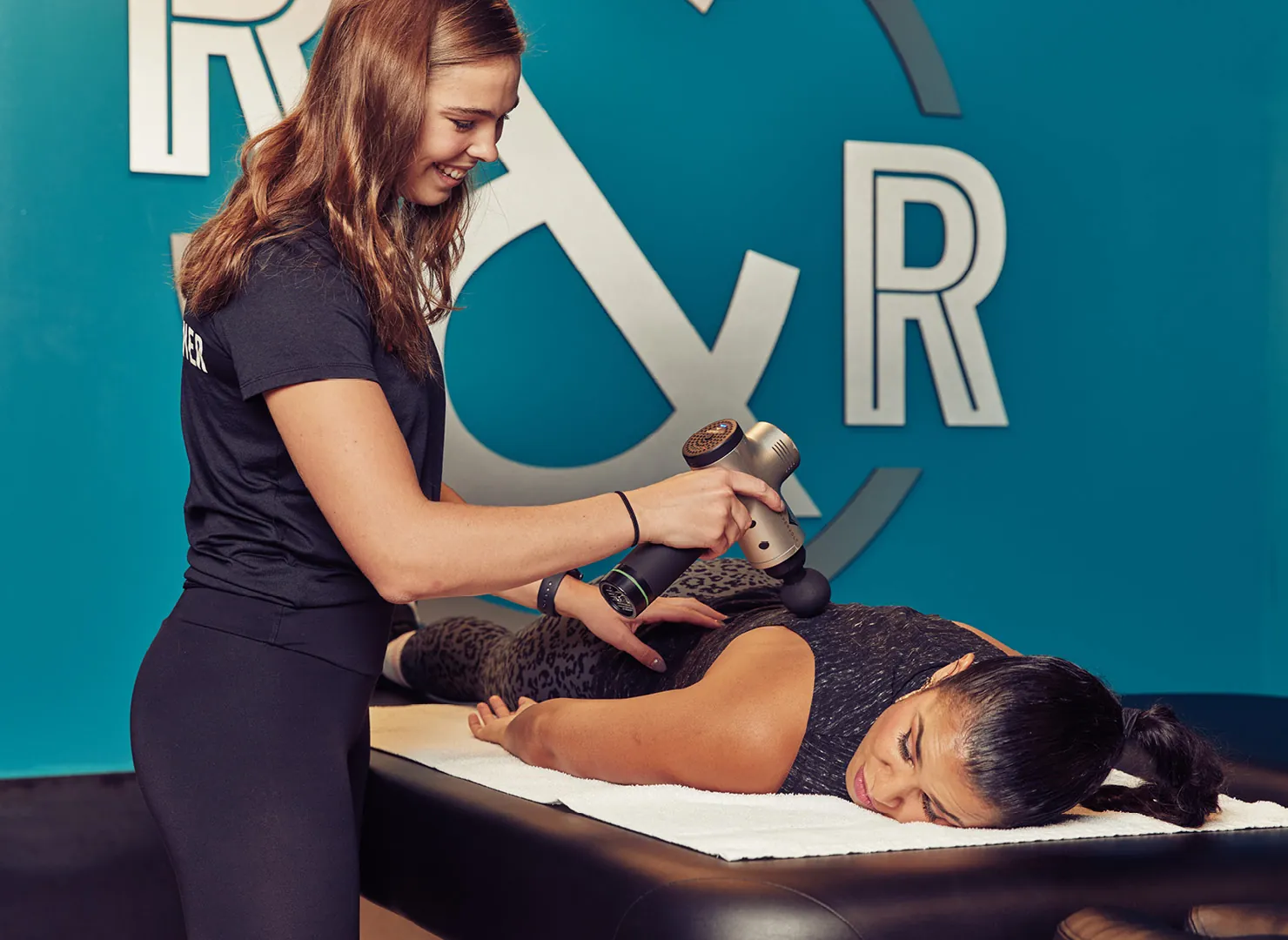
Inflammation is a natural response to training, but excessive inflammation can hinder performance. Cold water immersion or contrast baths—alternating between hot and cold—can help regulate blood flow and reduce the sensation of soreness in the lower limbs. However, avoid heavy use of non-steroidal anti-inflammatory drugs, as they may interfere with the long-term muscle growth adaptations you’re working to achieve.
Active Recovery Versus Total Rest
Total rest is necessary for deep fatigue, but active recovery often accelerates the clearance of metabolic byproducts. Light movement increases systemic circulation, which delivers oxygenated blood to damaged tissues.
- Walking: A twenty-minute brisk walk helps loosen tight joints.
- Yoga: Focus on restorative poses to improve nervous system regulation.
- Swimming: The hydrostatic pressure of water can assist in lymphatic drainage.
- Cycling: Very low resistance pedaling helps flush out the legs.
Why Is Sleep Essential?
Sleep is the most potent recovery tool at your disposal. During stage three and four sleep, your body releases human growth hormone, which is vital for tissue regeneration. If your sleep quality is poor, your body remains in a state of high cortisol, which actively breaks down muscle tissue. Aim for seven to nine hours of quality sleep, and consider keeping your bedroom cool and dark to facilitate deeper cycles.
Monitoring Your Recovery Progress
Data can help you determine if you’re recovering effectively or pushing too hard. Tracking metrics allows you to adjust your intensity before an injury occurs.
| Metric | Indication | Action |
|---|---|---|
| Resting Heart Rate | Elevated by 5+ bpm | Take an extra rest day |
| Morning Weight | Significant sudden drop | Increase caloric intake |
| Grip Strength | Noticeable decrease | Focus on CNS recovery |
Common Recovery Mistakes
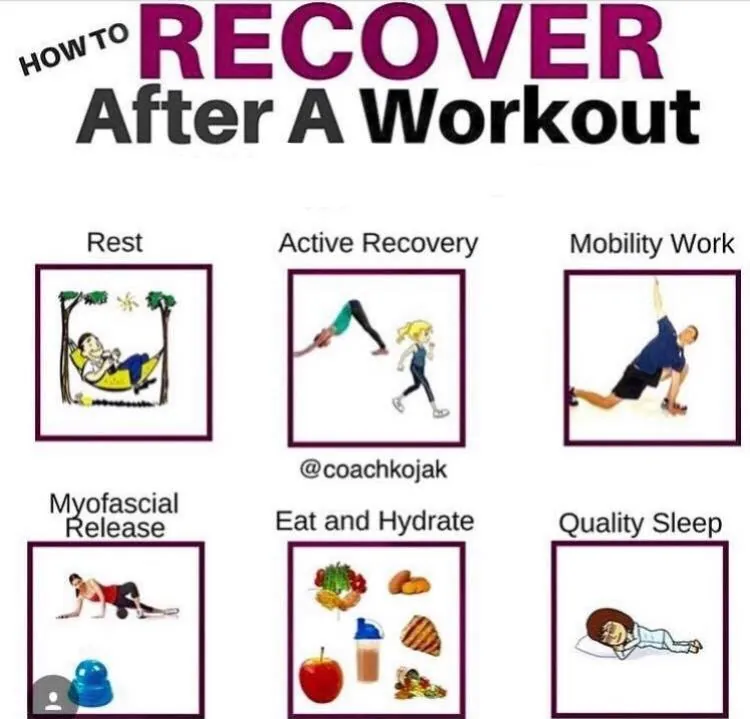
Many athletes inadvertently sabotage their progress by overestimating their work capacity. Common errors include cutting protein intake too low, skipping cool-down sessions, or failing to manage psychological stress. Remember that your central nervous system requires as much recovery as your muscles; if your brain feels fried, your body will struggle to perform optimally regardless of your nutrition.
Frequently Asked Questions
Should I stretch after a workout?
Static stretching can help improve long-term flexibility and relax the nervous system after a high-intensity session. However, it doesn’t prevent soreness. Perform gentle movements to bring your heart rate down, but avoid aggressive stretching on muscles that have just been pushed to failure, as this could aggravate micro-tears.
How do I know if I am overtraining?
Signs of overtraining include persistent fatigue, insomnia, unexplained irritability, and a plateau or decrease in performance. If you notice your resting heart rate remains elevated for several days or you feel “heavy” during warm-ups, your body is signaling a need for an extended break. Listen to these cues rather than forcing yourself through them.
Is ice bathing truly effective?
Cold water immersion can be effective for reducing the perception of muscle soreness and managing acute inflammation. It’s most useful during periods of high-volume training or competition. However, if your primary goal is maximal muscle hypertrophy, avoid icing immediately after every session, as the inflammatory response is a necessary trigger for muscle growth.
What is the best post-workout meal?
The best meal combines high-quality protein for repair and complex carbohydrates for glycogen replenishment. Examples include grilled salmon with quinoa and steamed broccoli, or a smoothie containing whey protein, frozen berries, and a tablespoon of almond butter. Ensure you include a source of sodium to replace what was lost through sweat during your training.
Can I train if I am sore?
Light soreness is usually acceptable for training, but you should modify your intensity. If you’re extremely sore, perform an active recovery session rather than an intense workout. Never train through sharp, localized pain, as this often indicates an injury rather than standard exercise-induced muscle damage. Always prioritize long-term consistency over short-term intensity.
Conclusion
The recovery process is the foundation upon which your future fitness gains are built. By treating your post-workout period with the same discipline as your training sessions, you ensure your body remains resilient and ready for the next challenge. Start by tracking your sleep quality tonight and adjusting your protein intake tomorrow to see how these small changes influence your energy levels.