How White Noise May Help You Sleep Better: A Simple Guide | Fit Life Boost
White noise helps you sleep better by creating a consistent sound environment that masks sudden, disruptive noises from your surroundings, effectively narrowing the gap between your brain’s sensitivity to external sounds and the quiet state required for deep slumber. By providing a steady auditory blanket, this constant hum prevents the brain from reacting to irregular spikes in volume—such as a door slamming, a siren passing, or a partner shifting in bed—which are often the primary triggers for midnight wakefulness. This technique leverages the concept of sound masking, where the brain becomes habituated to the uniform frequency, allowing the nervous system to remain in a relaxed, parasympathetic state throughout the night.
Key Takeaways
- White noise acts as an auditory buffer, smoothing out the peaks and valleys of ambient noise that disrupt sleep cycles.
- The most effective sound profiles for sleep are often those that maintain a consistent, non-rhythmic frequency.
- Volume control is critical; keeping the noise level below 50 decibels is generally recommended to avoid long-term hearing damage.
- You can utilize dedicated hardware, smartphone applications, or household fans to generate effective masking sounds.
- Consistency is essential, as the brain requires a period of habituation to fully benefit from the masking effect of constant background noise.
Understanding How White Noise Helps You
At its core, the efficacy of white noise relies on the auditory masking effect. When you’re in a quiet room, your brain remains hyper-vigilant, actively scanning for sounds that might indicate a threat or a change in your environment. This evolutionary trait, while useful for survival, is detrimental to sleep quality in modern, noisy urban or suburban settings.
White noise fills the silence with a neutral spectrum of sound, effectively raising your auditory threshold. Because the background sound is constant, your brain stops perceiving it as a stimulus, effectively muting the impact of sudden, high-contrast sounds that would otherwise trigger an arousal response.
Comparing Different Sound Profiles
Not all background noise is created equal; while “white” noise is the industry term, it actually refers to a specific distribution of frequencies that can sound quite harsh. Many people find that other “colors” of noise are more soothing for sleep.
| Noise Type | Frequency Spectrum | Best Use Case |
|---|---|---|
| White Noise | Equal across all frequencies | Masking sharp, sudden sounds |
| Pink Noise | Higher power at lower frequencies | Deep sleep and relaxation |
| Brown Noise | Very low, rumbly frequencies | Calming a racing, active mind |
| Green Noise | Mid-range, nature-inspired | Improving focus and calm |
Is White Noise Always the Answer?
While many find it transformative, white noise isn’t a universal solution for sleep hygiene. It works best for individuals who are light sleepers or who live in environments with unpredictable noise pollution. If your sleep issues stem from underlying physiological concerns, such as obstructive sleep apnea or restless leg syndrome, masking the sound won’t address the root cause of your fragmented sleep.
Furthermore, relying heavily on any external stimulus can create a dependency; some people find it difficult to drift off in total silence once their brain has become conditioned to the presence of a steady drone.
Choosing Your Sound Method

You have several options when it comes to generating this environment. The choice often comes down to budget, portability, and the specific sound profile you prefer.
- Dedicated Sound Machines: These devices are engineered specifically for sleep and often offer a variety of tones, including fan sounds, rain, and pure white noise.
- Smartphone Apps: These are highly accessible and offer the largest variety of sounds, though they require your device to stay powered on throughout the night.
- Household Appliances: A standard box fan or air purifier provides a natural, mechanical white noise that many find more authentic and less “processed” than digital versions.
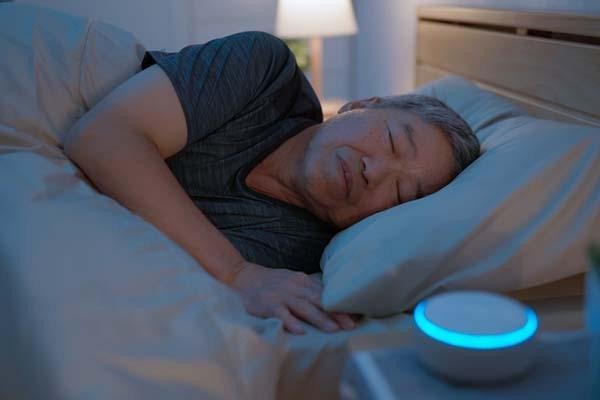
- Smart Speakers: Devices like Amazon Echo or Google Nest allow for voice-activated soundscapes that can be set to turn off after a specific duration.
How to Set Up Your Environment
To maximize the benefits, your setup should be intentional. Place your sound source at least a few feet away from your head to ensure the sound is diffused rather than directed, which creates a more immersive, less jarring experience.
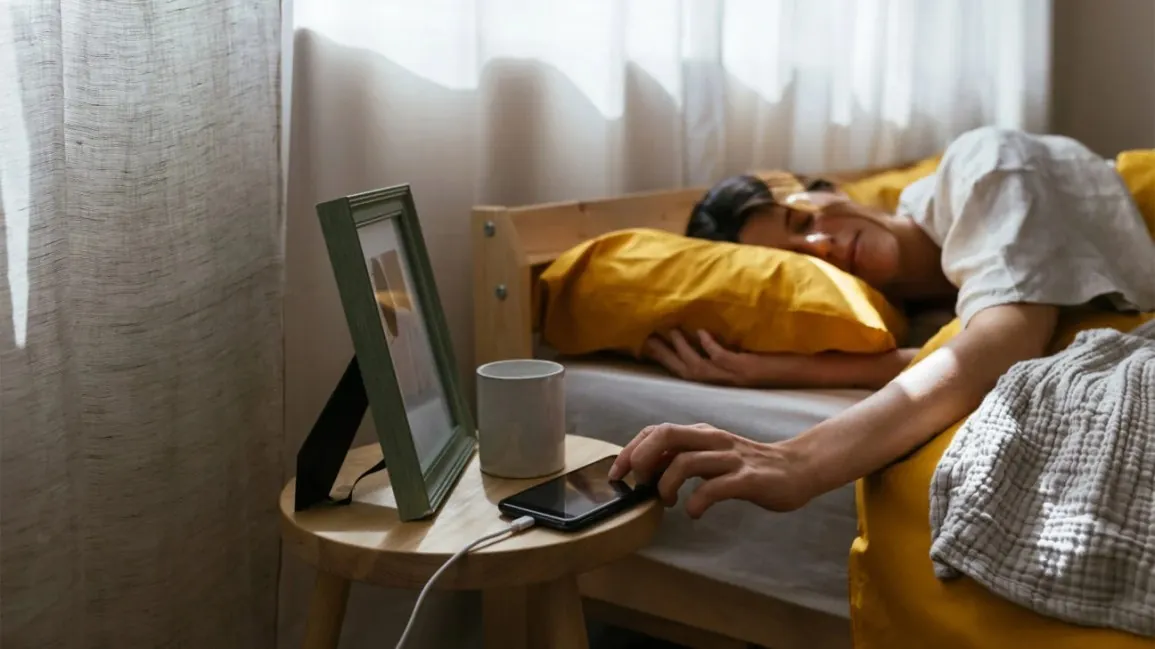
If you’re using a digital device, ensure it’s set to a “Do Not Disturb” mode to prevent notifications from piercing through the white noise. Pro Tip: Start the sound approximately fifteen minutes before you intend to get into bed; this allows your brain to transition into the “sleep-ready” state while you perform your final evening wind-down rituals.
Managing Safe Volume Levels
One of the most important aspects of using white noise is protecting your hearing over the long term. According to the National Institute for Occupational Safety and Health, prolonged exposure to noise levels above 85 decibels can cause permanent damage, but for sleep, you should aim for much lower.
Ideally, your sound machine should be set to 40 or 50 decibels, which is roughly equivalent to the volume of a quiet library or a gentle rainfall. If you find yourself needing to crank the volume higher to mask outside noise, your sound source may be too far away, or you may need to look into sound-dampening curtains or white-noise machines with better bass resonance.
Troubleshooting Common Sleep Issues
If you find that white noise isn’t helping you achieve the deep sleep you desire, consider these common pitfalls. First, assess the sound consistency. If your app is playing a loop that has a noticeable gap or a repeating pattern, your brain may eventually detect the rhythm, which can actually prevent you from entering the deepest stages of sleep.
Second, address the environment; if your bedroom is too warm or contains too much blue light, white noise will be insufficient to overcome those physiological barriers. Finally, ensure you aren’t using a sound profile that’s too “bright” or high-pitched, as these can increase alertness rather than decrease it.
When to See a Professional

If you have tried optimizing your environment and using white noise for several weeks without seeing an improvement in your sleep quality, it may be time to consult a medical professional. Persistent insomnia can be a symptom of underlying health conditions that require clinical intervention, such as anxiety disorders, hormonal imbalances, or chronic pain.
A doctor or a sleep specialist can help you determine if you need a sleep study to rule out conditions like sleep apnea, which affects millions of people and can’t be “masked” by sound. Warning: Avoid self-medicating with over-the-counter sleep aids while trying to establish a new sleep routine, as these can mask symptoms that your doctor needs to observe to provide an accurate diagnosis.
Frequently Asked Questions
Does white noise work for everyone?
No, white noise isn’t a universal cure. While it’s highly effective for those sensitive to environmental sounds, some individuals find the constant hum distracting or irritating. Sleep is multifaceted, and if your wakefulness is driven by internal factors like stress or physical discomfort, sound masking may provide only a marginal benefit rather than a complete solution to your sleep challenges.
Can I become addicted to white noise?
It isn’t an addiction in the clinical sense, but you can develop a psychological dependency. If your brain becomes conditioned to associate the sound with sleep onset, you may find it difficult to fall asleep in total silence. This is common and generally harmless, but if it concerns you, try slowly lowering the volume over several weeks to build your tolerance for silence.
Is it safe to leave a sound machine on all night?
Yes, it’s generally safe provided the volume is kept at a moderate, non-damaging level. Most modern devices are designed for continuous use. However, if you’re using a smartphone or tablet, ensure the device is plugged into a power source and placed on a stable surface to prevent overheating, and keep it away from your pillow to minimize exposure to electromagnetic fields.
Why do some people prefer pink noise?
Pink noise has a flatter power spectral density, meaning it has more energy at lower frequencies compared to white noise. Many people perceive pink noise as being “deeper” or more natural, often comparing it to the sound of steady rain or rustling leaves. Because it lacks the harsh, high-pitched frequencies of pure white noise, many find it less fatiguing for the ears during extended use.
Should I use headphones while sleeping?
Using headphones is generally discouraged for sleep. They can cause physical discomfort, lead to ear canal irritation, and increase the risk of hearing loss if the volume is set too high. Additionally, they can be a safety hazard if they get tangled. It’s much better for your sleep health to use a standalone sound machine or speakers that fill the room with ambient, diffused sound.
Conclusion
Establishing a consistent sleep routine is a journey that often requires experimentation with different variables, including light, temperature, and auditory cues. By integrating white noise as a tool rather than a crutch, you can create a more predictable environment for your body to rest. Start by testing different sound profiles tonight to see which frequency best helps your mind transition into a state of quiet, restorative sleep.