
Benefits of Walking Every Day: Physical and Mental Health Gains | Fit Life Boost
Integrating a consistent movement routine into your lifestyle is one of the simplest ways to improve your long-term health, and the benefits of walking every day are backed by significant clinical evidence regarding physical and mental wellness. Whether you’re looking to boost your cardiovascular endurance, manage your weight, or simply clear your head after a long shift, this low-impact activity requires nothing more than a supportive pair of shoes. By making this small, daily commitment, you can unlock profound changes in how your body functions and how you feel throughout the day.
Key Takeaways
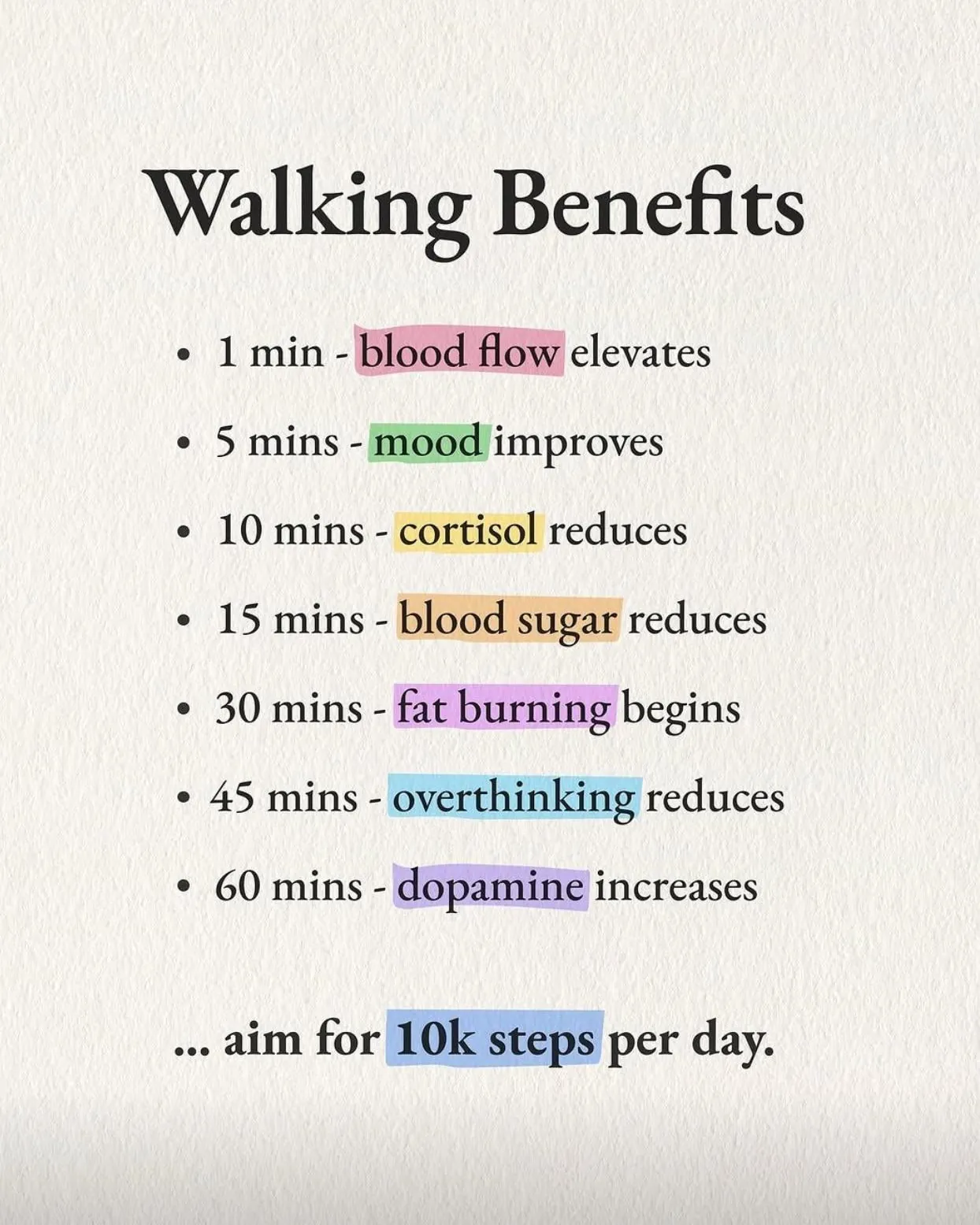
- Walking at least thirty minutes a day can significantly reduce the risk of developing chronic heart conditions.
- Consistency is more important than intensity; aim for a steady pace that feels slightly challenging but sustainable.
- Exposure to natural light during a walk helps regulate your circadian rhythm and improves sleep quality.
- Weight management is supported by the consistent caloric expenditure associated with daily, moderate-intensity movement.
- Always consult with a healthcare provider before starting a new exercise regimen if you have pre-existing conditions.
The Primary Health Advantages
Cardiovascular Strength
Walking regularly helps strengthen your heart muscle, which improves circulation and reduces the strain on your arteries. This form of aerobic exercise helps maintain healthy blood pressure levels and supports overall heart health. You can incorporate this by choosing a brisk pace for at least twenty minutes.
Improved Metabolic Health
Moving your body helps your cells use insulin more effectively, which stabilizes blood sugar levels. This is vital for preventing or managing metabolic syndrome. To see results, try to walk shortly after your largest meal of the day to help manage post-meal glucose spikes.
Enhanced Mental Clarity
Physical movement releases endorphins, which are natural mood elevators that reduce feelings of stress and anxiety. Regular walking is linked to improved cognitive function and a lower risk of age-related mental decline. Take your walk in a quiet, green space to maximize the mental health benefits.
Stronger Bone Density
Weight-bearing exercises like walking force your body to work against gravity, which stimulates bone remodeling and increases density. This is essential for preventing fractures as you age. Use this benefit by maintaining good posture and keeping your core engaged while you’re moving.
Better Sleep Quality
Physical activity increases the amount of time you spend in deep, restorative sleep stages. By walking during the day, you help align your internal body clock, making it easier to fall asleep at night. Try to finish your walk at least two hours before your planned bedtime to avoid over-stimulation.
Essential Walking Gear
| Item | Purpose | Recommendation |
|---|---|---|
| Footwear | Impact reduction | Choose shoes with adequate arch support |
| Socks | Moisture management | Select synthetic or wool blend fabrics |
| Clothing | Temperature regulation | Use breathable, moisture-wicking layers |
| Accessories | Safety and comfort | Use a reflective vest or a hydration pack |
Creating A Routine
Start With Small Goals
Begin with ten minutes of continuous movement and slowly increase your duration as your fitness improves. Consistency is the most important factor for building a habit that lasts.
Find Your Ideal Time
Some people prefer early morning walks to start the day with energy, while others find evening walks help them decompress. Choose a time that fits naturally into your schedule to ensure you stick with it long-term.
Track Your Progress
Using a simple pedometer or a smartphone app can help you visualize your activity levels. Seeing your daily step counts increase over time provides a psychological boost that encourages continued effort.
Frequently Asked Questions
How many steps should I aim for daily?
While ten thousand steps is a common goal, the Physical Activity Guidelines for Americans from the U.S. Department of Health and Human Services suggest that any amount of movement is beneficial. Start where you’re comfortable and gradually increase your volume, as even modest increases in daily activity provide significant health improvements for most adults.
Can walking replace gym workouts?
Walking is an excellent form of aerobic exercise, but it may not provide the same muscle-building stimulus as resistance training. If your goal is to increase lean muscle mass or bone strength significantly, consider adding bodyweight exercises like squats or push-ups to your routine. A balanced approach that includes both cardiovascular movement and strength training is generally best for overall fitness.
What if I have joint pain?
If you experience persistent pain while walking, stop immediately and consult a physical therapist or physician. Ensure your footwear is appropriate for your arch type and walking surface. You might also try walking on softer surfaces like dirt trails or rubber tracks instead of concrete to reduce the impact on your knees and ankles.
Is walking fast better than walking slow?
A brisk pace, where you feel slightly breathless but can still hold a conversation, is generally more effective for cardiovascular improvement. However, walking at a slower pace is still far better than remaining sedentary. Focus on building a habit first; you can always increase your intensity once your stamina improves and your body adapts to the regular movement.
How do I stay motivated long-term?
Vary your routes to keep things interesting, or invite a friend to join you to make the time feel more social. Listening to podcasts or audiobooks can also turn your walk into a time for personal development. Setting small, achievable milestones, such as walking for fifteen minutes every day for a week, helps build the momentum needed for long-term consistency.
Troubleshooting Common Issues
Managing Blisters
Pro Tip: If you feel a “hot spot” on your foot, stop and apply a bandage immediately to prevent a full blister from forming. Wear high-quality, moisture-wicking socks to keep your feet dry and reduce friction.
Dealing With Weather
When the weather is poor, use indoor alternatives like a treadmill or walk laps around a local shopping mall. Having a backup plan ensures that your routine remains uninterrupted regardless of the conditions outside.
Staying Consistent
Warning: Avoid the temptation to do too much too soon, as this can lead to shin splints or muscle fatigue that forces you to stop. Increase your walking time by no more than ten percent each week to allow your joints and muscles to adapt safely.
Tips For Efficiency
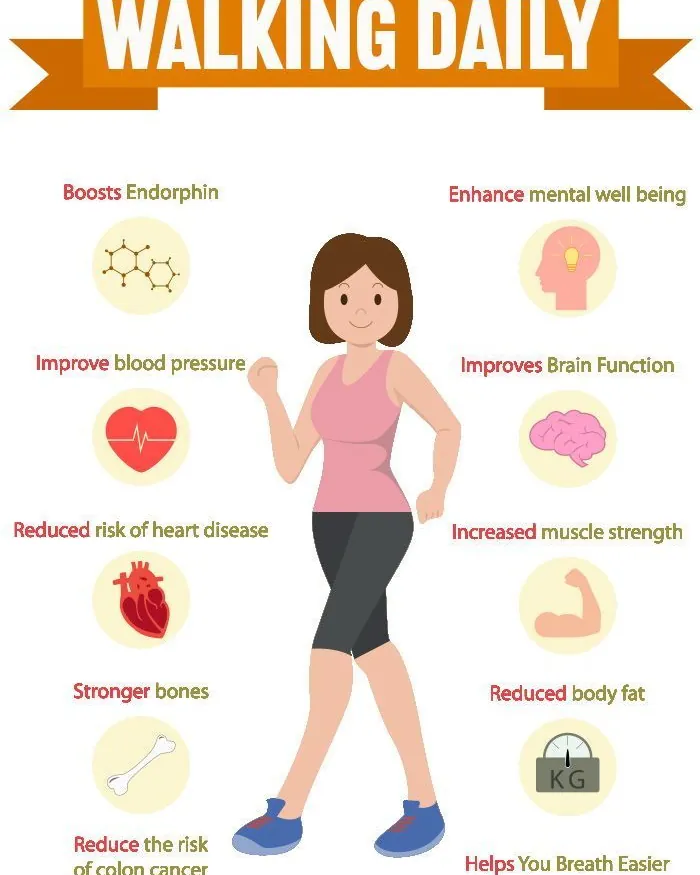
- Keep your head up and look forward to maintain good posture.
- Swing your arms naturally to increase your caloric burn.
- Engage your abdominal muscles to support your lower back.
- Carry a water bottle if you plan to walk for more than thirty minutes.
The Importance Of Consistency
| Phase | Goal | Focus |
|---|---|---|
| First Week | Habit formation | Keep it short and easy |
| First Month | Consistency | Reach a daily duration goal |
| Ongoing | Optimization | Increase intensity or terrain difficulty |
Establishing a daily habit of movement is a powerful investment in your future. Start by identifying one window of time in your day where you can commit to a short, brisk walk, and treat that time as a non-negotiable appointment with your health. Over time, these small sessions will build a foundation of wellness that supports your body for decades.