How to Exercise at Home Without Equipment: A Full Guide | Fit Life Boost
Exercising at home without equipment is a highly effective way to build strength, improve cardiovascular health, and increase flexibility using only your body weight and the space available in your living area. By leveraging gravity and your own mass as resistance, you can create a challenging workout routine that targets every major muscle group without needing a gym membership or expensive machines.
Key Takeaways
- Bodyweight training builds functional strength and can be modified for any fitness level.
- Consistency is more important than the duration of a single session for long-term health.
- Prioritize proper form over speed to prevent injury and maximize muscle engagement.
- Your living room provides ample space for a full-body routine using basic floor movements.
- The Physical Activity Guidelines for Americans suggest adults aim for 150 minutes of moderate-intensity activity weekly.
How to Exercise at Home Without Equipment
To begin an effective routine, you must focus on compound movements that recruit multiple muscle groups simultaneously. This approach ensures efficiency, allowing you to get a complete workout in a short period. Start by clearing a space roughly the size of a yoga mat to ensure you can move freely without striking furniture.
Wear supportive footwear, even indoors, to provide stability and protect your arches during impact movements like jumping jacks or burpees. Always begin with a five-minute warm-up of marching in place or arm circles to prepare your joints.
Essential Bodyweight Movement Patterns
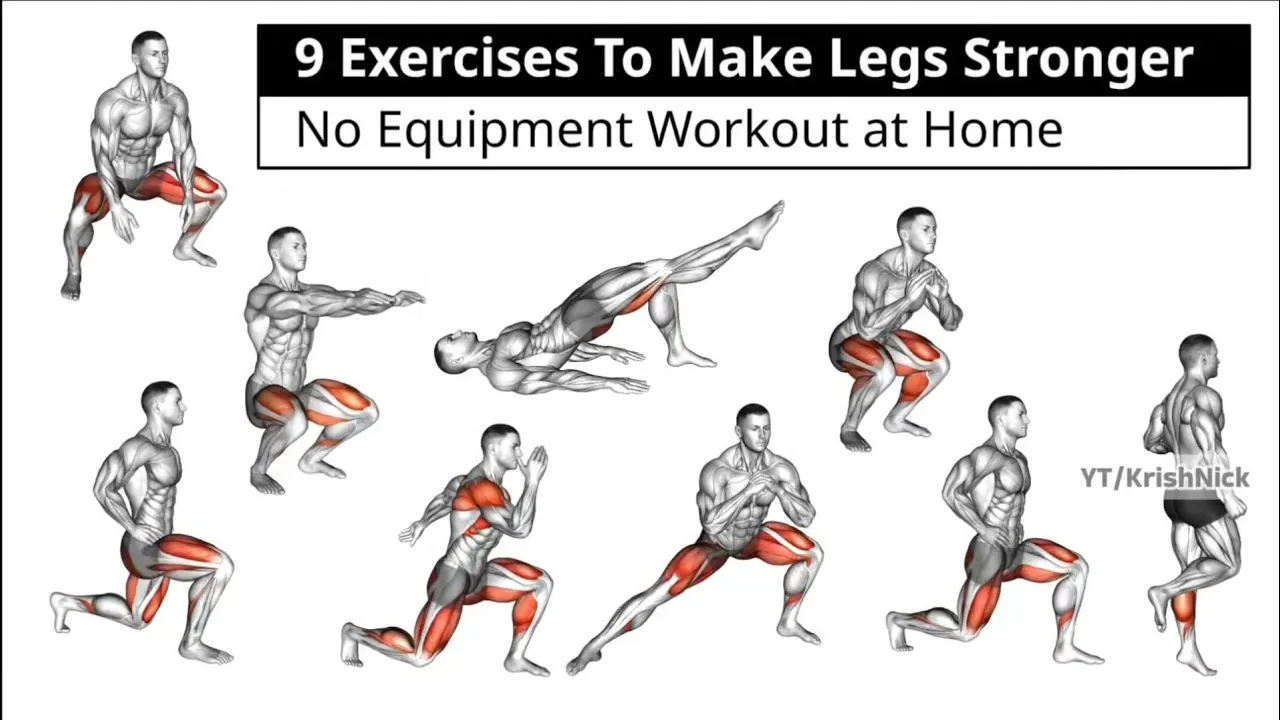
The foundation of effective training rests on four primary movement patterns. Incorporating these ensures you achieve a balanced physique and avoid muscle imbalances.
| Movement Category | Primary Muscles Targeted | Sample Exercise |
|---|---|---|
| Squatting | Quadriceps, Glutes | Air Squats |
| Pushing | Chest, Shoulders, Triceps | Push-ups |
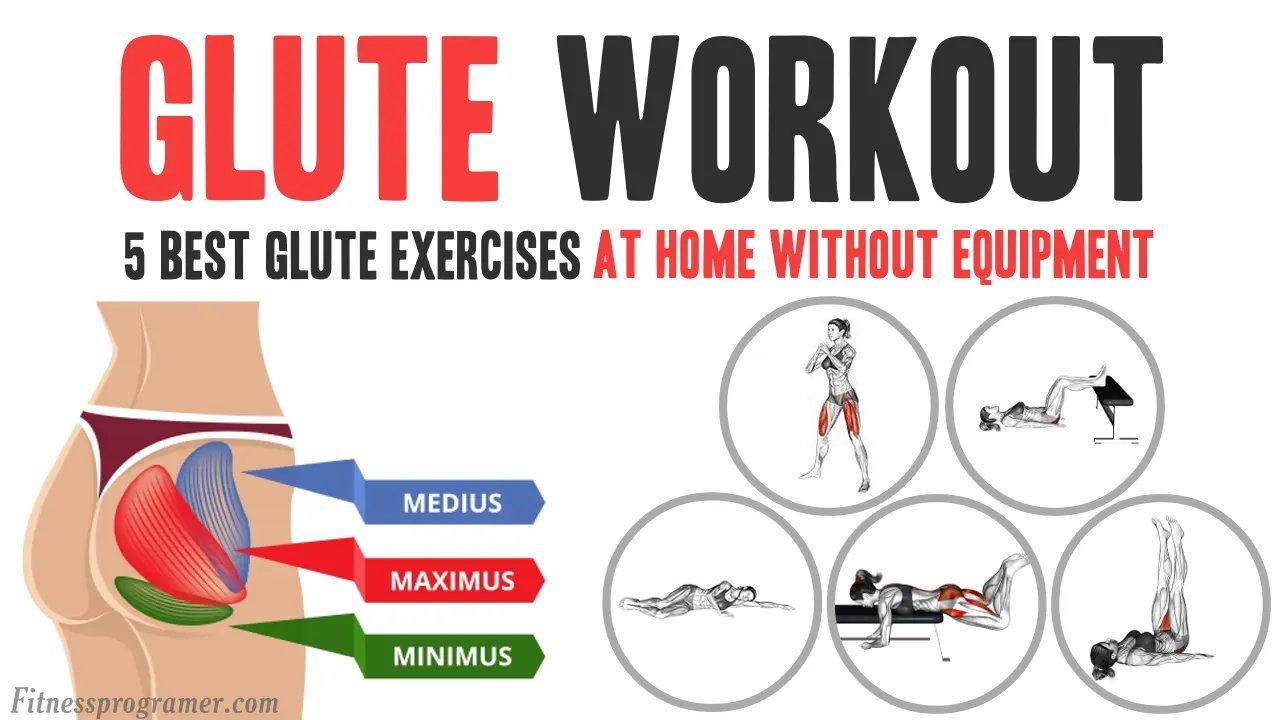
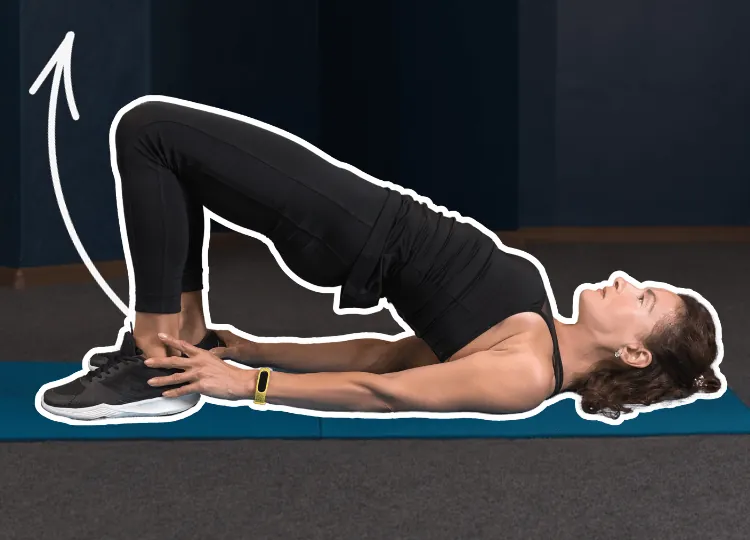
| Pulling/Hinging | Back, Hamstrings, Glutes | Glute Bridges |
| Core Stability | Abdominals, Obliques | Plank Holds |
Modifying Exercises for Your Level
Progression is vital for continuous improvement. If a movement feels too easy, you can increase the intensity by adjusting your leverage, slowing down the tempo, or shortening your rest periods between sets. Conversely, if an exercise feels too difficult, you can scale it back by modifying the range of motion or using a wall or chair for support.
Scaling Strategies
- Regression: Perform push-ups on your knees or against a sturdy wall.
- Progression: Slow the descent of your squat to a four-second count to increase time under tension.
- Volume: Increase the number of repetitions or add an extra set as your endurance improves.
Designing a Weekly Schedule
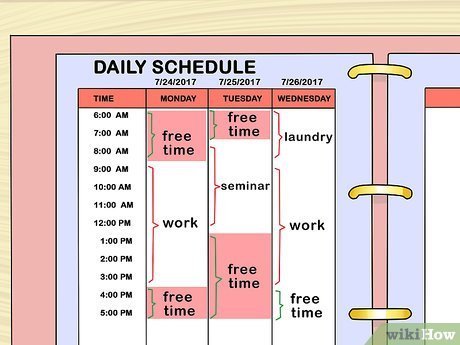
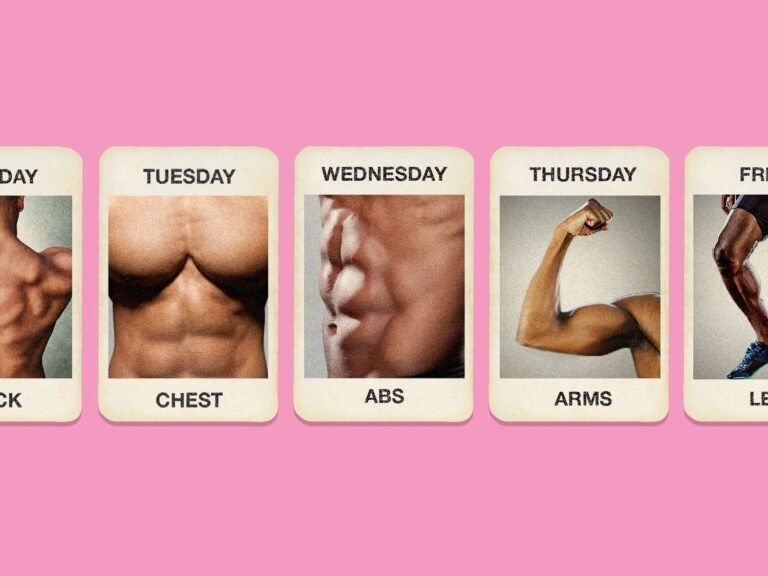
Consistency requires a plan that accounts for both exertion and recovery. A balanced approach typically involves alternating between strength-focused days and active recovery or cardiovascular movement.
| Day | Focus Area | Example Duration |
|---|---|---|
| Monday | Full Body Strength | 30 Minutes |
| Tuesday | Brisk Walking or Mobility | 20 Minutes |
| Wednesday | Full Body Strength | 30 Minutes |
| Thursday | Rest or Light Stretching | 15 Minutes |
| Friday | Full Body Strength | 30 Minutes |
How to Maintain Proper Form
Safety is the most critical component of any home exercise program. Poor technique not only reduces the effectiveness of the exercise but also significantly increases the risk of strain or injury. Focus on keeping your spine neutral and your core engaged throughout every repetition. If you feel pain in your joints rather than your muscles, stop immediately and adjust your positioning.
Warning: Always consult with a healthcare professional before beginning any new exercise regimen, especially if you have pre-existing health conditions or chronic injuries.
Creating a Consistent Routine
Habit formation is the secret to long-term success. By scheduling your workouts at the same time every day, you remove the decision-making process that often leads to skipping sessions. Designate a specific “workout corner” in your home, which helps psychologically prepare you for the effort ahead. Keep your workout clothes laid out the night before to reduce friction when it’s time to start.
Pro Tip: Use a timer on your phone to keep your rest periods consistent, which prevents your workout from dragging on longer than necessary.
Managing Your Home Environment
Your home environment should support your training goals. Ensure the area is well-lit and ventilated to keep you comfortable. If you have hardwood floors, consider using a non-slip mat to provide cushioning for your knees and wrists during floor-based movements. Clear away tripping hazards like loose rugs or cables before you start your session to ensure your safety throughout the movement.
Troubleshooting Common Exercise Hurdles
Even with the best intentions, you may encounter obstacles that disrupt your routine. Common issues include lack of motivation, feeling soreness, or not knowing how to progress. Address these by focusing on short “win” sessions when motivation is low. If you feel excessive soreness, allow for an extra day of rest or focus on light mobility work instead of high-intensity training.
Frequently Asked Questions
How long should workouts last?
Start with 15 to 20 minutes of movement. As you become more comfortable with the exercises, you can extend your sessions toward the 30 or 45-minute mark. Consistency matters more than length; it’s better to exercise for 15 minutes four times a week than to attempt a single, exhausting 90-minute session that leaves you too sore to continue.
Is it necessary to stretch?
Yes, incorporating light stretching after your workout can help improve your range of motion and assist in cooling down your heart rate. Focus on static stretches that target the muscles you just worked, holding each position for 20 to 30 seconds. This practice may help you feel more relaxed and prepared for your next session.
What if I feel pain?
Some muscle soreness is a normal response to new physical activity, but sharp or shooting pain in your joints or back is a sign to stop immediately. If you experience persistent discomfort, stop the exercise and evaluate your form. If the pain doesn’t subside with rest, seek advice from a medical professional before resuming your routine.
Can I build muscle at home?
You can absolutely build muscle and strength by using your body weight as resistance. The key is to challenge your muscles by increasing the difficulty of the movements over time. Once you master basic movements like push-ups and squats, you can progress to more advanced variations like single-leg squats or diamond push-ups to continue forcing your muscles to adapt and grow.
Do I need a workout app?
While apps can provide structure and motivation, they aren’t strictly necessary. You can create a highly effective routine using a simple notebook or a list of exercises on your phone. The most important tool is your commitment to performing the movements with proper form, regardless of whether you’re tracking your progress through a digital platform or a paper log.
Warning: Listen to your body and recognize the signs of overtraining, such as persistent fatigue or irritability, which indicate that you need more recovery time.
Conclusion
Starting a home fitness routine is an investment in your long-term health that requires nothing more than your own motivation and a small amount of floor space. Begin by choosing three simple exercises, such as air squats, push-ups, and planks, and commit to practicing them three times this week. Small, manageable steps will build the momentum necessary to sustain a healthy, active lifestyle at home.