How to Create a Weekly Workout Plan for Balanced Fitness | Fit Life Boost
Creating a weekly workout plan involves mapping out your physical activity to balance strength, cardiovascular health, and recovery while ensuring your routine remains sustainable over the long term. By structuring your week with intention, you move away from haphazard exercise and toward a measurable system that adapts to your energy levels, time constraints, and personal fitness goals. Whether you’re aiming to build muscle, improve endurance, or simply increase your daily movement, the secret lies in consistency rather than intensity. A well-designed schedule helps you manage fatigue, prevents overtraining, and provides a clear roadmap for progress.
Key Takeaways

- Prioritize a mix of resistance training and cardiovascular exercise to improve overall health markers.
- Incorporate at least one or two full rest days per week to allow for muscle repair and central nervous system recovery.
- Adjust your total volume based on your experience level to avoid burnout or injury in the early stages.
- Track your workouts in a logbook or app to identify patterns in your strength and endurance gains.
- Focus on compound movements that recruit multiple muscle groups to maximize your time in the gym.
How to Structure Your Weekly Workout Plan
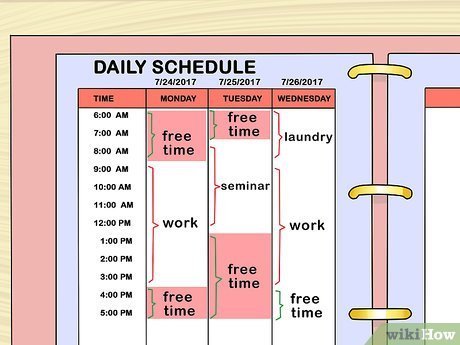
Building a plan requires you to define your frequency first. Most beginners benefit from three to four days of intentional exercise, while advanced trainees may thrive on five or six. Start by selecting your training days based on your work or family obligations.
If you can’t commit to a day, don’t schedule a workout; it’s better to have a realistic three-day plan you actually finish than a perfect five-day plan you consistently miss. Once your days are set, categorize your sessions into specific focus areas to ensure you hit every muscle group without overlapping too heavily.
| Session Type | Primary Focus | Best For |
|---|---|---|
| Full Body | All major muscle groups | Beginners and busy schedules |
| Upper/Lower | Split muscle focus | Intermediate strength building |
| Push/Pull/Legs | Specific muscle isolation | Advanced recovery management |
| Steady State | Aerobic capacity | Heart health and endurance |
Choosing the Right Exercise Methods
Selecting the right training methodology is essential for long-term adherence. If you enjoy lifting heavy weights, focus on progressive overload, which means gradually increasing the weight, frequency, or number of repetitions in your strength training routine. If you prefer high-energy environments, consider circuit training or interval-based sessions.
The Physical Activity Guidelines for Americans from the U.S. Department of Health and Human Services suggest that adults should aim for at least 150 minutes of moderate-intensity aerobic activity each week, alongside muscle-strengthening activities on two or more days.
Essential Components of Every Session
Every workout should follow a logical flow to optimize performance and safety. Never jump straight into heavy lifting without preparing your body. Your sessions should always consist of three distinct phases:
- Warm-up: Five to ten minutes of light cardio or dynamic movements like arm circles, leg swings, or bodyweight lunges to increase blood flow.
- Main Work: The core of your session where you perform your primary lifts or cardiovascular intervals.
- Cool-down: Gentle static stretching or foam rolling to help lower your heart rate and address muscle tightness.
Balancing Strength and Cardio Goals

Many people struggle with where to place their cardiovascular training relative to their weightlifting. A common mistake is performing intense cardio immediately before lifting, which can deplete your glycogen stores and reduce your strength output. Instead, try to separate these sessions by several hours, or perform your cardio after your weight training.
If you must do both in one session, keep the cardio low-impact, such as walking on an incline or cycling, to preserve your energy for the more demanding strength components.
How to Manage Your Recovery Time
Recovery isn’t an excuse to be lazy; it’s a vital part of the training process where the actual physiological adaptations occur. During rest, your body repairs the micro-tears in your muscle fibers caused by exercise, leading to increased strength and size. If you feel extreme soreness or persistent fatigue, you may need to adjust your volume.
Pro Tip: Listen to your body’s signals; if your resting heart rate is elevated or you feel uncharacteristically lethargic, treat it as a sign to take an extra rest day.
Active Recovery Options
- Light walking in a local park.
- Gentle yoga or mobility flows.
- Swimming laps at a slow, steady pace.
- Casual cycling on flat terrain.
Tracking Progress and Making Adjustments
You can’t improve what you don’t measure. Keep a simple notebook or use a digital tracking application to record the weight, sets, and repetitions for every exercise. Over time, look for trends. If you find that your progress has stalled for more than two weeks, it’s time to change a variable.
You might increase the weight by five pounds, shorten your rest intervals, or add an extra set to your main compound lifts. Don’t change your entire program every week, as consistency is what drives the most significant adaptations.
Common Pitfalls to Avoid
Even with the best intentions, many people fall into traps that hinder their progress. The most frequent issue is over-complicating the routine. You don’t need twenty different exercises to get results. Stick to the basics: squats, hinges, pushes, pulls, and carries. Another common error is neglecting sleep. No amount of training can compensate for a lack of quality rest. Aim for seven to nine hours of sleep per night to ensure your hormonal profile supports muscle growth and fat loss.
| Common Mistake | Consequence | Simple Fix |
|---|---|---|
| Too much volume | Burnout or injury | Reduce sets by 20% |
| Skipping warm-ups | Poor performance | Add 5 minutes of mobility |
| Inconsistent days | Lack of progress | Set a fixed weekly schedule |
| Ignoring nutrition | Low energy | Prioritize protein intake |
When to See a Professional

If you’re new to exercise or have pre-existing health conditions, consulting with a medical professional is a smart first step. A certified personal trainer can also be an invaluable resource for learning proper movement patterns. If you experience sharp pain, dizziness, or chest discomfort during any part of your workout, stop immediately and seek medical advice. Safety is the foundation of any long-term fitness journey, and pushing through pain is a recipe for long-term injury rather than strength.
Frequently Asked Questions
How many days a week should I train?
For general health, three days of full-body training is sufficient. If your goal is muscle hypertrophy or athletic performance, four to five days allows for better volume distribution across different muscle groups. Always start with a frequency you can maintain consistently for at least three months before attempting to increase your volume, as sustainability is more important than your initial training frequency.
Should I do cardio every day?
You don’t need to do intense cardio every day, but staying active is beneficial. Light daily movement, such as walking or stretching, helps with recovery and metabolic health. Reserve high-intensity cardio for two to three sessions per week to avoid interfering with your strength gains or recovery capacity. Balance is key to ensuring your cardiovascular work supports rather than hinders your other physical goals.
Is it okay to train when sore?
Mild muscle soreness, often called delayed onset muscle soreness, is a normal response to new or challenging exercise. It’s generally safe to perform light activity or focus on a different muscle group if you’re sore. However, if you experience sharp or localized pain that feels different from typical muscle fatigue, take a full rest day to prevent potential injury or overtraining.
What if I miss a workout?
Don’t attempt to double up your workouts to make up for a missed session, as this significantly increases your risk of injury and central nervous system fatigue. Simply resume your plan on the next scheduled day. Fitness is a long-term endeavor measured in months and years, not days; missing one session won’t negatively impact your progress if you maintain your consistency afterward.
How do I know if my plan works?
You’ll know your plan is effective if you see consistent improvements in your metrics over four to six weeks. This could include lifting heavier weights, performing more repetitions, feeling less winded during cardio, or noticing changes in your body composition. If your numbers remain stagnant despite adequate nutrition and sleep, you may need to adjust your intensity or volume to provide a new stimulus.
Conclusion
Creating a weekly workout plan is a process of refinement that rewards those who stay patient and consistent. Start with the basics, prioritize your recovery, and keep a simple log to monitor your progress over time. Your next step is to grab a calendar, mark three days this coming week as non-negotiable exercise appointments, and commit to completing them regardless of how your motivation fluctuates.





One Comment