
How to Use a Foam Roller Safely: Step by Step Guide | Fit Life Boost
Using a foam roller safely involves applying consistent, controlled pressure to your muscles to improve blood flow and range of motion without causing unnecessary tissue damage. This practice, often called self-myofascial release, is a popular method for managing muscle tension and preparing the body for physical activity. By understanding the mechanics of how these tools interact with your soft tissues, you can effectively incorporate them into your recovery routine while minimizing the risk of injury.
Key Takeaways
- Always roll over soft tissues only; avoid direct contact with joints, bones, or your lower back.
- Maintain a slow, controlled pace to allow your nervous system to adjust to the pressure.
- Limit your sessions to short intervals to prevent bruising or over-stimulation of the nerves.
- Stop immediately if you experience sharp, shooting pain or numbness in the targeted area.
- Consult a physical therapist if you have chronic pain, inflammation, or underlying health conditions.
How to Use a Foam Roller Safely
To ensure you’re using a foam roller safely, focus on the quality of your movement rather than the intensity of the pressure. Many beginners mistakenly believe that more pain equals better results, but excessive force can lead to muscle guarding, where the body tightens up to protect itself, effectively undoing the benefits of the release. Start with a softer, high-density foam roller to allow your muscles to acclimate to the sensation before moving on to firmer or textured models.
Proper Body Positioning
Positioning is the foundation of effective rolling. You should use your own body weight to apply pressure, but always ensure you have enough points of contact with the floor to remain stable.
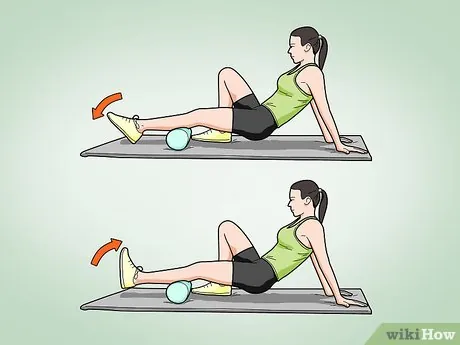
For example, when rolling your calves, keep your hands on the floor to support your torso, which allows you to regulate exactly how much weight is being transferred into the roller. If you find yourself struggling to maintain balance, you’re likely using too much pressure or trying to roll an area that’s too large for the current setup.
Essential Safety Precautions
Safety is paramount when working with soft tissue. The primary goal is to release tension, not to cause trauma. By following established guidelines, you ensure that you’re aiding your recovery rather than hindering it.
| Safety Rule | Rationale |
|---|---|
| Avoid Joints | Pressure on bones and ligaments can cause inflammation. |
| Avoid Lower Back | The lumbar spine lacks the protection of the rib cage. |
| Use Slow Tempo | Fast movement prevents the muscles from relaxing. |
| Stay Hydrated | Proper hydration supports healthy tissue elasticity. |
Recommended Rolling Techniques
When you find a “trigger point” or a particularly tender area, hold the roller on that spot for approximately 20 to 30 seconds. Don’t bounce or roll rapidly back and forth, as this can irritate the tissue further. Instead, breathe deeply, allowing your muscles to sink into the roller.
If the pain becomes sharp or feels like an electric shock, move the roller to a different location immediately, as you may be pressing on a nerve or a sensitive bone structure.
Targeting Different Muscle Groups
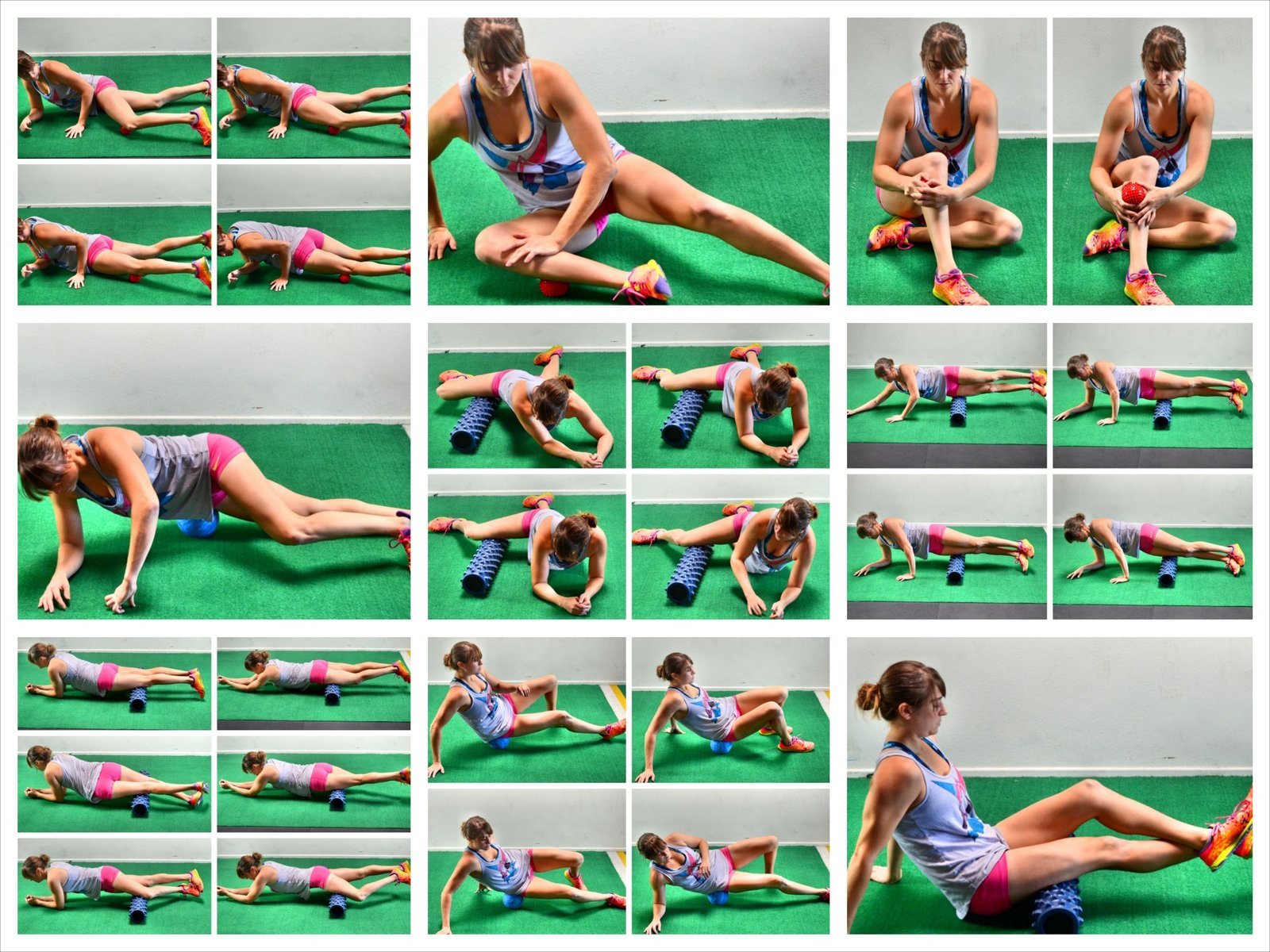
- Calves: Place the roller under your lower leg, cross your other leg over for extra pressure if needed, and slowly move from the ankle to just below the knee.
- Quadriceps: Lie face down with the roller under your thighs and use your forearms to crawl forward and backward.
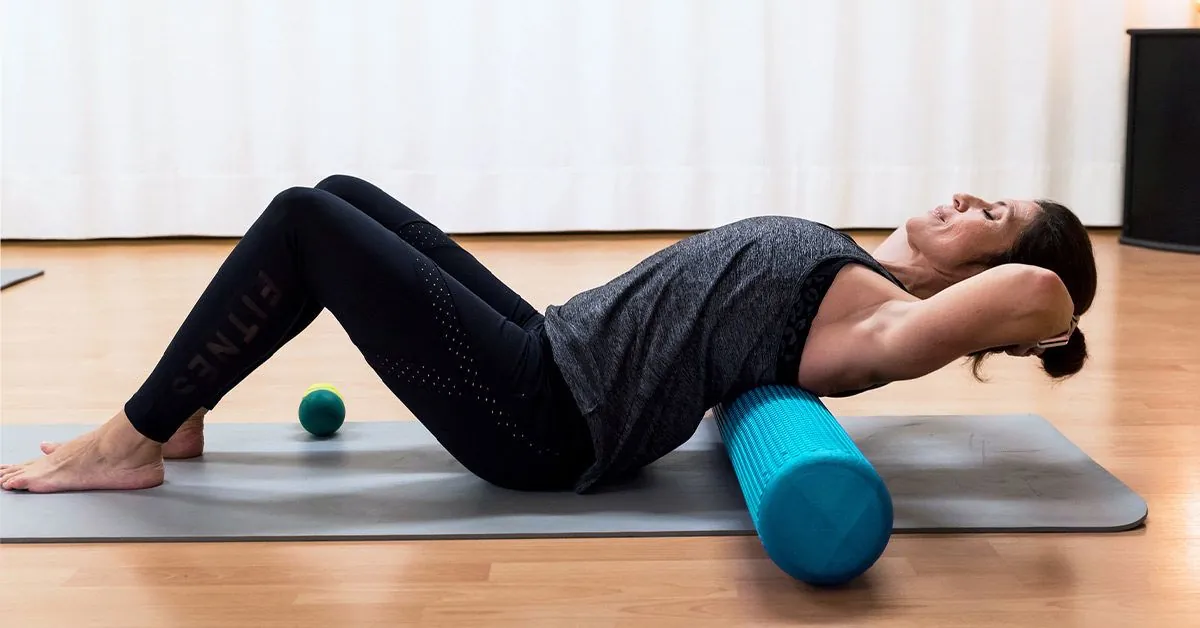
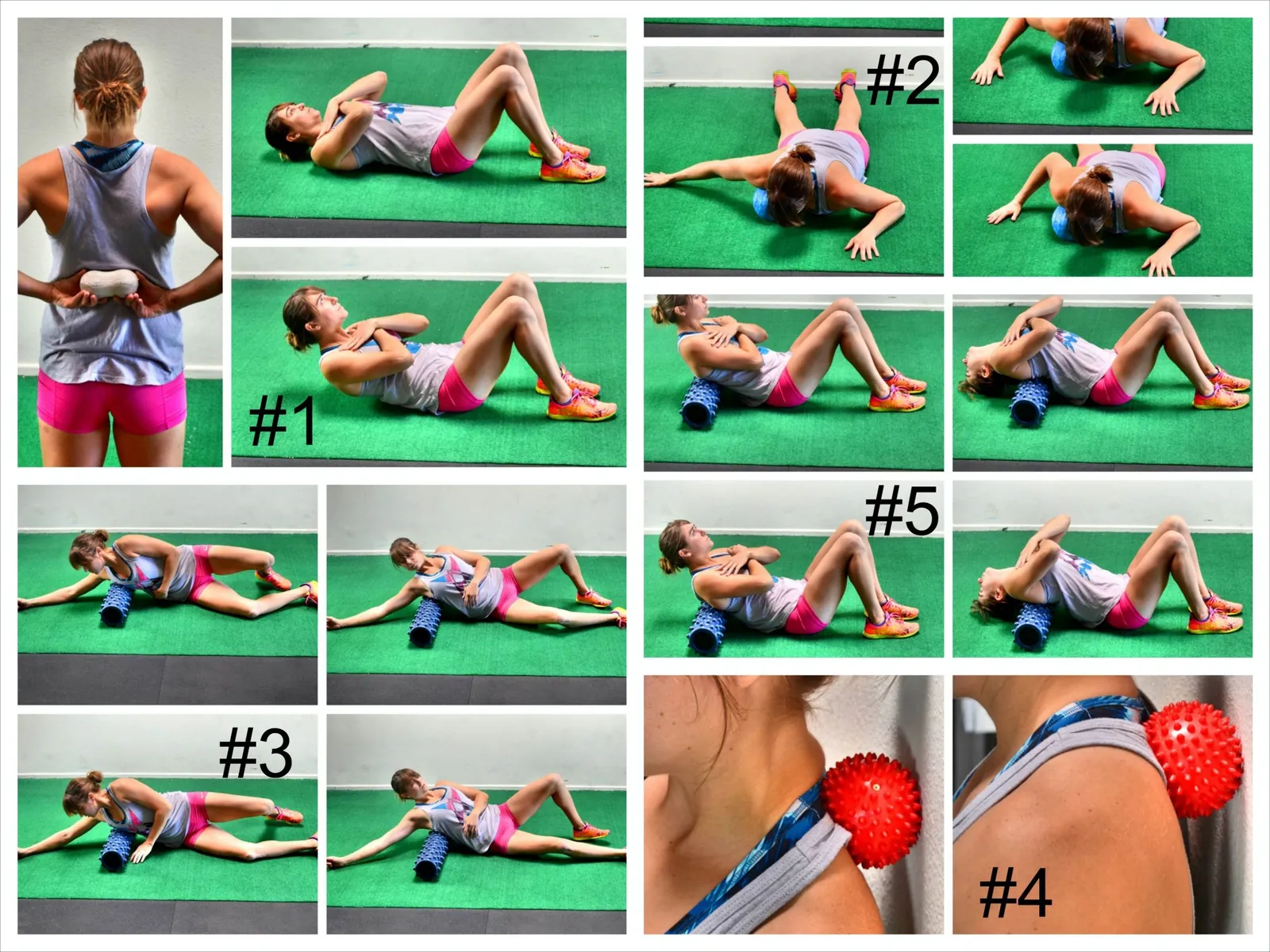
- Upper Back: Place the roller horizontally across your shoulder blades, supporting your head with your hands to keep your neck neutral.
- Glutes: Sit on the roller and lean slightly to one side, crossing the ankle of the leg you’re rolling over the opposite knee.
Signs You Are Rolling Too Hard
It’s common to feel some discomfort during foam rolling, but there’s a distinct difference between “good” soreness and “bad” pain. If you notice bruising appearing after a session, you’re applying too much pressure or rolling too frequently. Bruising indicates that you have damaged the small capillaries under the skin. Furthermore, if you feel lightheaded, dizzy, or notice tingling in your extremities, stop your session immediately and reassess your technique.
Warning: Never attempt to roll directly over an open wound, a fresh injury, or an area that’s currently inflamed, as this can exacerbate swelling and delay the natural healing process of the body.
Common Mistakes to Avoid
One of the biggest mistakes users make is rolling over the lower back. The lumbar spine is highly sensitive and lacks the protective structure of the rib cage found in the upper back. Applying heavy pressure here can cause the muscles to spasm as they attempt to protect the spine. Always stick to the fleshy parts of your glutes, hamstrings, and upper back, where the muscle bulk can safely absorb the pressure.
Frequency and Timing
You don’t need to roll for an hour to see results. In fact, most people benefit from sessions lasting between five and ten minutes total. You can incorporate rolling into your warm-up to increase blood flow or use it as a post-workout recovery tool to help down-regulate the nervous system. Consistency is far more effective than intensity; rolling for five minutes every day is superior to a single, painful 30-minute session once a week.
| Session Goal | Recommended Frequency | Duration per Muscle |
|---|---|---|
| Warm-Up | Daily | 30-60 seconds |
| Recovery | Post-Workout | 60-90 seconds |
| Tension Relief | As Needed | 2 minutes |
Understanding Foam Roller Types
Not all rollers are created equal. High-density foam is standard for most users, while textured or “rumble” rollers are designed for deeper tissue penetration. If you’re new to the practice, a smooth, medium-density roller is the safest starting point. It provides a consistent surface area that’s less likely to pinch or cause sharp, localized pain compared to rollers with aggressive knobs or spikes.
Pro Tip: If you find a specific spot that’s too tender to roll directly, try rolling the surrounding tissues first. Often, the tightness you feel is a secondary reaction to tension in an adjacent muscle group.
When to See a Professional
While foam rolling is an excellent tool for general maintenance, it isn’t a replacement for medical treatment. If you have been dealing with persistent pain for more than two weeks, or if the pain is accompanied by swelling, redness, or heat, you should see a physical therapist or a doctor. These symptoms could indicate a strain, tear, or other injury that requires professional diagnosis and specific rehabilitative exercises rather than simple tissue release.
Frequently Asked Questions
Can I foam roll if I have a muscle tear?
No, you should never foam roll over an acute injury, such as a muscle tear or strain. Rolling can disrupt the clotting process and increase inflammation, which will delay your recovery time. Wait until your doctor or physical therapist has cleared you for movement and confirmed that the tissue is stable enough to handle external pressure.
How do I know if I am rolling too often?
If you feel constantly sore, notice persistent bruising, or find that your muscles feel tighter rather than looser after a session, you’re likely overdoing it. Your body needs time to repair the micro-trauma caused by exercise and rolling. If you feel worse after a week of consistent rolling, take three full days off to let your nervous system recover.
Is it safe to foam roll every day?
Yes, it’s generally safe to foam roll every day, provided you keep the intensity low and the duration short. Many athletes use rolling as a daily habit to maintain mobility. However, listen to your body; if you feel fatigued or unusually tender, skip a day to allow your tissues to return to their baseline state.
Should I roll before or after a workout?
Both timings offer benefits. Rolling before a workout can help increase blood flow and prepare the muscles for movement, while rolling after a workout can help calm the nervous system and manage post-exercise soreness. If you’re short on time, prioritize post-workout recovery, as it can help reduce the buildup of tension that occurs after strenuous activity.
Does foam rolling help with cellulite?
There’s no scientific evidence to suggest that foam rolling can permanently remove or reduce cellulite. Cellulite is related to the structure of connective tissue and fat deposits beneath the skin. While rolling may temporarily improve blood flow and skin appearance due to increased circulation, it doesn’t change the structural composition of the fat or the underlying connective tissue.
Conclusion
Start your journey by choosing a standard, smooth-surfaced roller and committing to just five minutes of gentle work on your calves and hamstrings. Focus on deep, steady breathing to keep your body relaxed, and pay close attention to how your muscles feel the following day. If you remain pain-free and mobile, you can gradually increase your frequency or explore new muscle groups.





One Comment