

How to Prevent Common Workout Injuries: A Safety Guide | Fit Life Boost
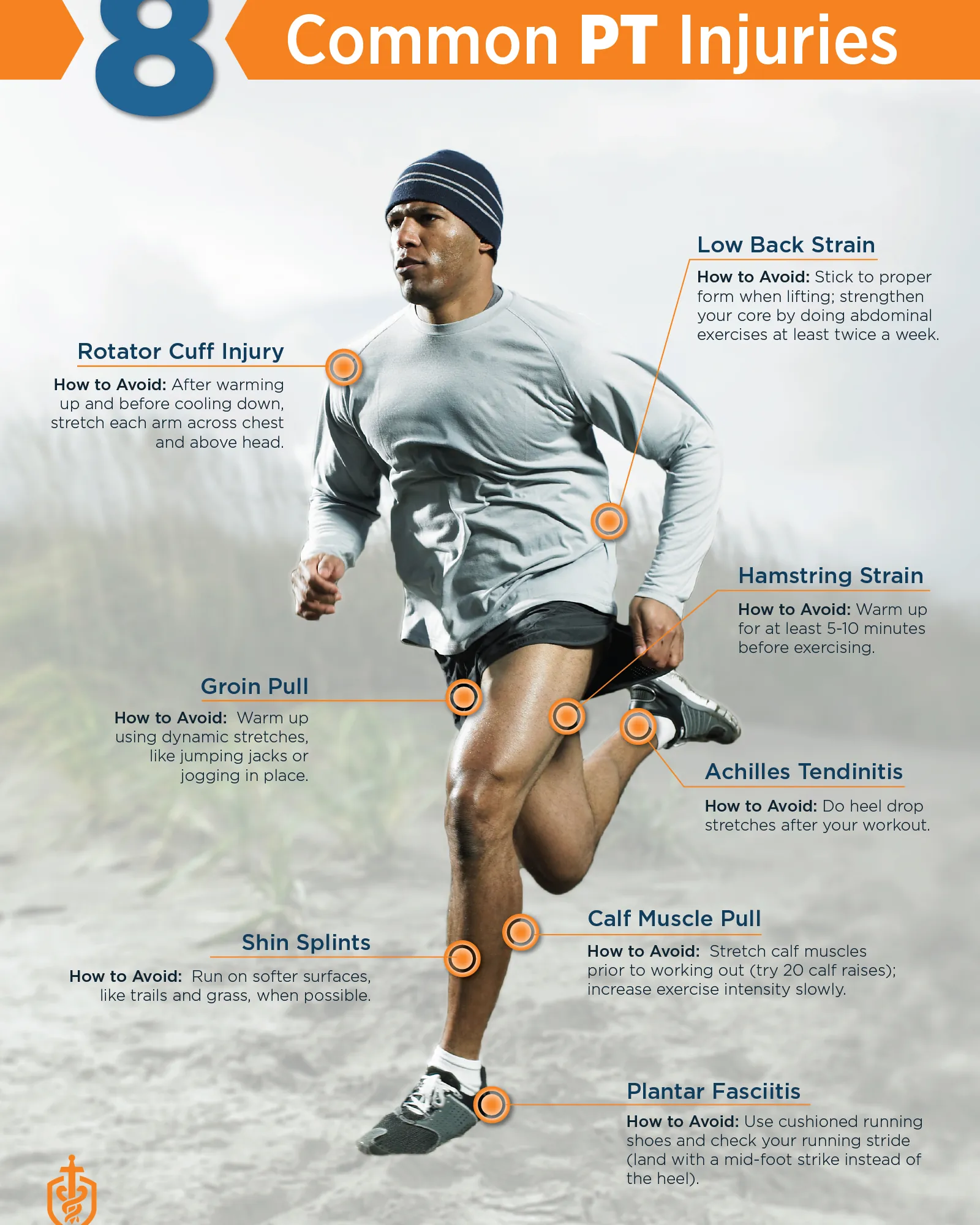
Developing a consistent fitness routine is a powerful way to improve your overall health and vitality, but it’s equally important to prioritize safety to ensure you can stay active for the long term. Learning how to prevent common workout injuries involves understanding the limitations of your body, mastering proper movement patterns, and recognizing when your muscles require recovery time. By focusing on preparation and listening to your physical cues, you can minimize the risk of strains, sprains, and overuse conditions that often sideline beginners and seasoned athletes alike.
Key Takeaways
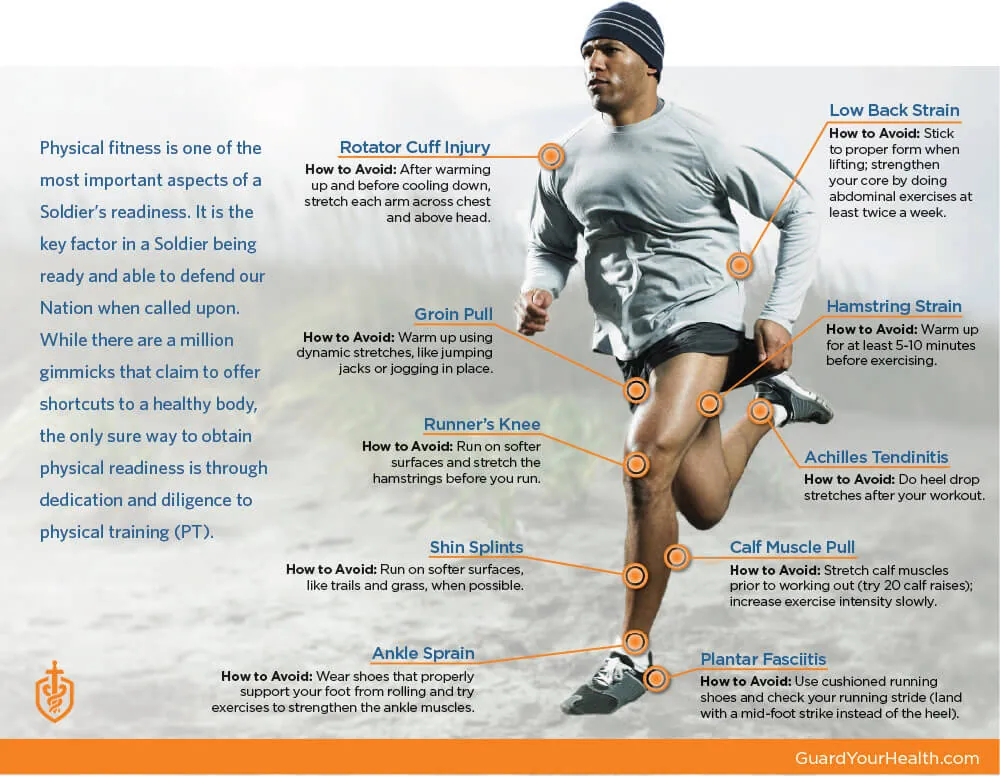
- Prioritize a dynamic warm-up to increase blood flow and prepare connective tissues for physical stress.
- Implement progressive overload by increasing weight or intensity gradually rather than making sudden jumps.
- Incorporate rest days into your weekly schedule to allow muscle fibers to repair and strengthen.
- Maintain proper form by using mirrors or video recordings to check your body alignment during lifts.
- Listen to sharp or localized pain, which serves as a critical signal to stop an activity immediately.
Why Do Exercise Injuries Occur?
Most fitness-related issues stem from a few predictable factors that accumulate over time. The most frequent cause is overuse syndrome, which happens when you repeat the same movement pattern without giving your body sufficient time to recover.
Another significant factor is improper technique, where the load is placed on joints or ligaments instead of the intended muscle groups. Additionally, neglecting to prepare the body through a structured warm-up leaves muscles cold and tight, making them more susceptible to sudden tears during high-intensity movements.
Essential Components of a Warm-Up
A proper warm-up transitions your body from a resting state to an active one. It should elevate your heart rate and increase the temperature of your muscles. You should avoid static stretching—holding a pose for a long duration—before a workout, as it can temporarily reduce muscle power. Instead, focus on dynamic movements that mimic the exercises you’re about to perform.
| Movement Type | Examples | Primary Benefit |
|---|---|---|
| Cardiovascular | Brisk walking, light jogging | Increases core temperature |
| Mobility | Arm circles, leg swings | Improves joint range of motion |
| Activation | Glute bridges, bird-dogs | Engages dormant muscle groups |
Is Your Form Putting You At Risk?
Technique is your first line of defense against musculoskeletal damage. When you perform a movement with poor form, your body compensates by using secondary muscles or putting excess pressure on your spine and joints. Proper alignment is non-negotiable, whether you’re performing a squat, a deadlift, or a simple overhead press.
Pro Tip: If you find yourself struggling to maintain a neutral spine or controlled tempo, reduce the weight immediately. It’s better to master the movement pattern with lighter resistance than to risk a major injury by ego lifting.
What Is Progressive Overload?
Progressive overload is the systematic increase of stress placed on the body during exercise. While it’s necessary for building strength, doing too much too soon is a primary driver of injury. According to the American College of Sports Medicine, you should focus on increasing frequency, intensity, or duration in small, manageable increments rather than attempting to double your volume in a single week.
How Can You Support Recovery?
Rest isn’t the absence of progress; it’s an essential part of the training process. During rest, your body repairs the micro-tears created during exercise, which is how you actually become stronger. If you don’t allow for this window of repair, you risk chronic inflammation. Active recovery days, such as light swimming, yoga, or walking, can help circulate blood to sore muscles without placing excessive stress on your joints.
Common Signs of Overtraining
Recognizing the early warning signs of overtraining can help you pivot before an injury becomes severe. These signs are often subtle at first but become more pronounced as you continue to push through them.
- Persistent muscle soreness that lasts more than 72 hours.
- A noticeable decrease in performance or strength during routine workouts.
- Increased irritability or difficulty sleeping after training.
- Chronic joint pain that doesn’t subside with standard rest.
Why Proper Equipment Matters
The gear you choose can significantly impact your movement mechanics. For instance, running in worn-out shoes can alter your gait and lead to shin splints or knee pain. Similarly, lifting in footwear that lacks stability can compromise your balance during heavy compound movements. Always ensure your equipment is well-maintained and appropriate for the specific activity you’re performing.
| Equipment Type | Inspection Frequency | Common Wear Signs |
|---|---|---|
| Running Shoes | Every 300–500 miles | Frayed soles, loss of cushioning |
| Resistance Bands | Before every use | Small cracks, white stress lines |
| Lifting Belts | Monthly | Loose stitching, worn buckle |
Should You Use Supplements?
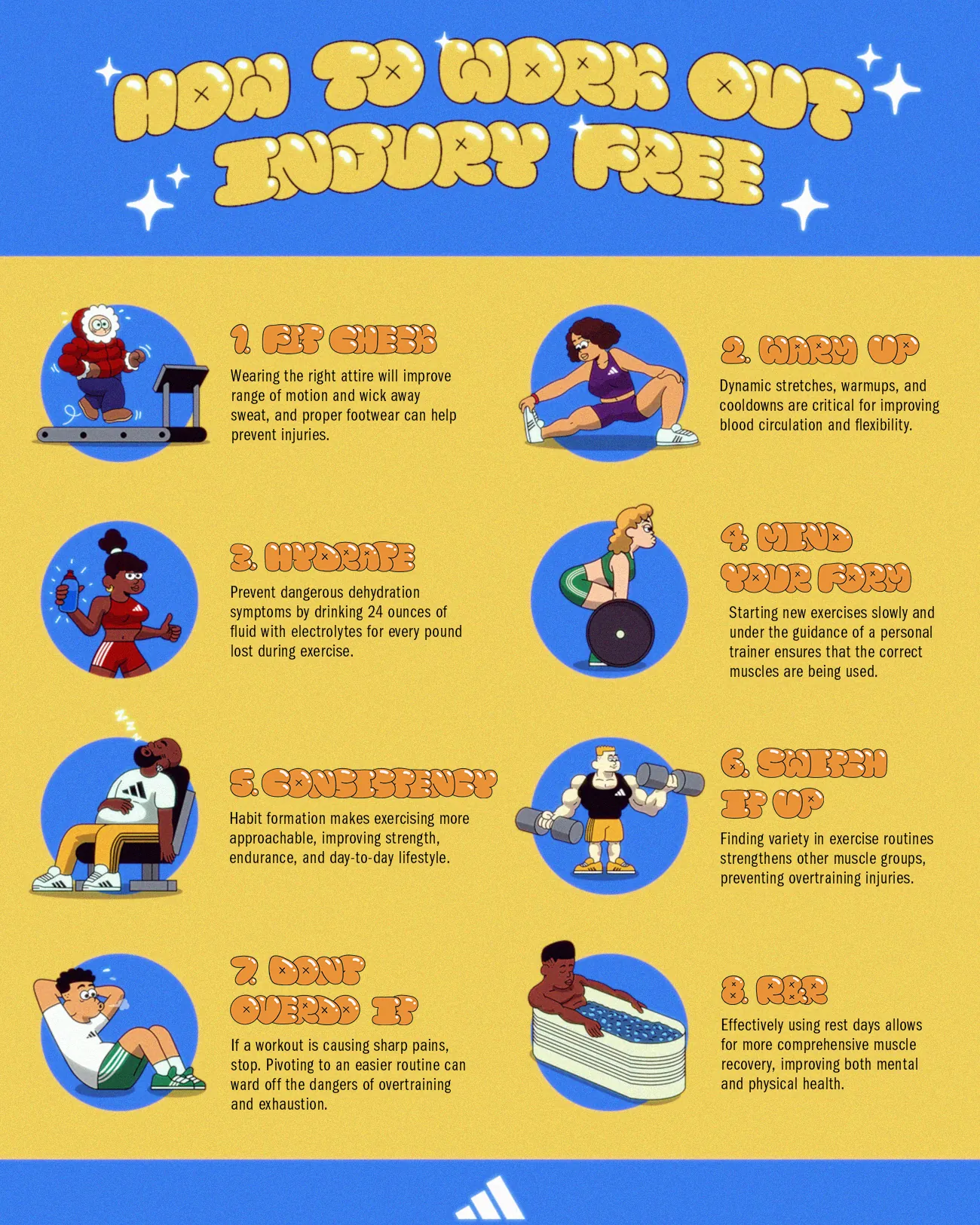
While supplements are often marketed as a way to enhance performance, they can’t replace the foundation of a balanced diet and adequate sleep. Some people find that hydration and electrolyte balance are more critical than any complex formula. Proper hydration helps maintain joint lubrication and muscle function, which are vital for preventing cramping and strain during intense exercise sessions.
Warning: Always consult with a healthcare professional before adding new supplements to your routine, as some substances may interact with medications or have side effects that exacerbate health conditions.
Frequently Asked Questions
How do I know if pain is normal?
Normal muscle soreness, often called DOMS, usually feels like a dull ache that arrives 24 to 48 hours after exercise. Sharp, stabbing, or localized pain that occurs during the movement isn’t normal. If you feel pain in a specific joint or bone rather than in the belly of the muscle, stop the exercise immediately and assess your form.
How many rest days do I need?
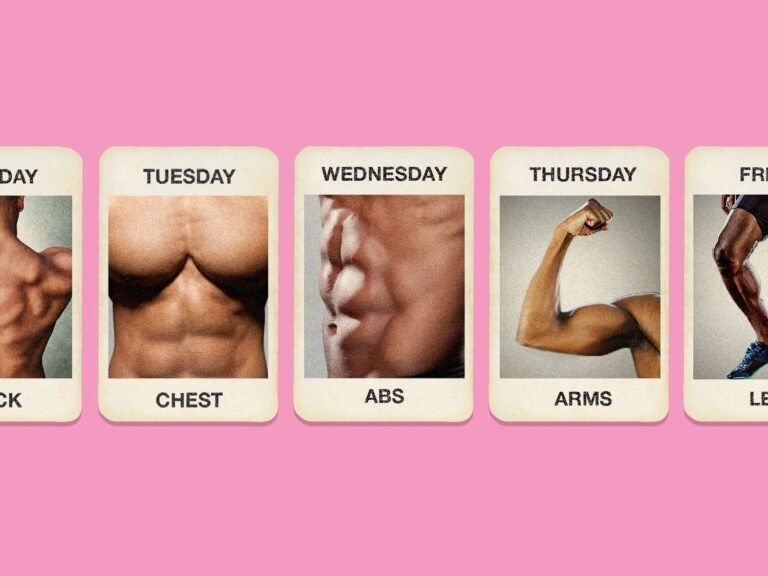
Most beginners benefit from at least two or three rest days per week. As your fitness level improves, you might move to a schedule of four to five days of training. However, the exact number depends on the intensity of your workouts. If you’re lifting heavy weights daily, you must cycle your training to allow different muscle groups to recover.
Can I stretch to prevent injury?
Yes, but the timing is key. Save static stretching—where you hold a position for 30 seconds—for after your workout or on non-training days to improve flexibility. Before your workout, use dynamic movements like leg swings or torso twists to warm up the muscles. Stretching cold, tight muscles can sometimes lead to tears rather than preventing them.
What should I do after an injury?
For minor strains, apply the RICE method: Rest, Ice, Compression, and Elevation. If the pain is severe, if you can’t bear weight on a limb, or if the pain doesn’t improve after a few days of rest, seek advice from a physical therapist or doctor. Ignoring persistent pain often leads to long-term chronic issues that are harder to treat.
Is weight training safer than cardio?
Both carry risks if performed incorrectly. Weight training is generally safer for joints if you maintain perfect form and use controlled tempos. Cardio activities like running can lead to repetitive stress injuries if your volume increases too quickly or if you have poor biomechanics. The safest approach is a balanced routine that includes both strength training and low-impact cardiovascular activity.
Conclusion
Prioritizing your long-term health means viewing your fitness journey as a marathon rather than a sprint. By focusing on consistent, controlled movements and honoring your body’s need for recovery, you set yourself up for sustained success. Start your next session by dedicating five extra minutes to a thorough dynamic warm-up to ensure your joints are ready for the work ahead.




One Comment