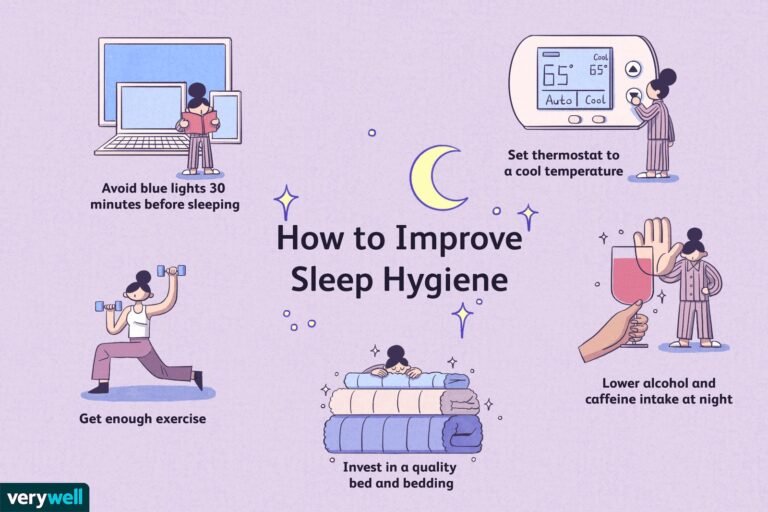
How to Create a Healthy Bedtime Routine for Better Sleep | Fit Life Boost
Creating a healthy bedtime routine involves establishing a consistent sequence of calming activities that signal to your nervous system that the day is ending and restorative sleep is imminent. By prioritizing a predictable wind-down period, you can regulate your internal body clock, reduce evening anxiety, and improve the overall quality of your rest. This process isn’t about rigid perfection but rather about building sustainable habits that respect your biological need for recovery.
Key Takeaways
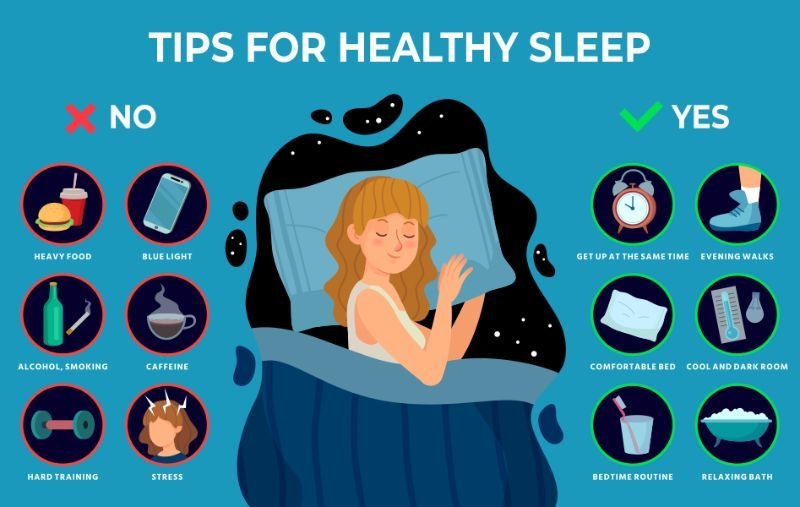
- Consistent wake-up and bedtimes strengthen your circadian rhythm throughout the week.
- Limiting exposure to blue light sixty minutes before sleep supports natural melatonin production.
- Physical environment adjustments, such as temperature and darkness, significantly impact sleep onset latency.
- Mindfulness practices can effectively lower cortisol levels, making it easier to transition into sleep.
- Avoiding heavy meals and stimulants late in the day prevents physiological disruptions to sleep architecture.
How to Create a Healthy Bedtime Routine
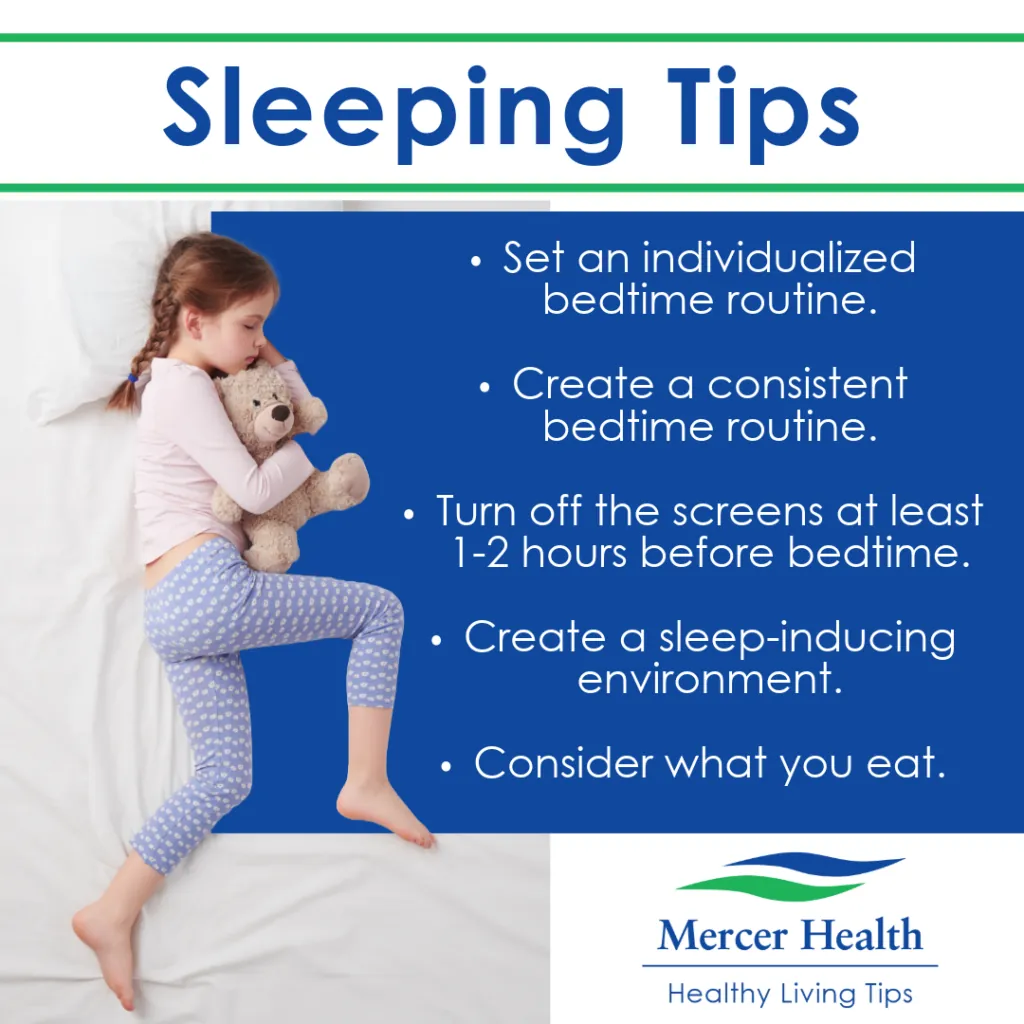
Building a routine requires a gradual approach rather than an overnight overhaul. Start by identifying your ideal wake-up time and counting backward seven to nine hours to determine your target bedtime. Once you have this window, dedicate the final hour before bed to “low-stimulation” activities. This period acts as a buffer zone, separating the demands of your daily responsibilities from the quiet stillness required for deep, uninterrupted slumber.
The One-Hour Wind-Down Schedule
| Time Segment | Activity Goal | Recommended Action |
|---|---|---|
| 60 Minutes Out | Digital Disconnect | Power down phones, tablets, and laptops. |
| 45 Minutes Out | Preparation | Lay out clothes and pack bags for tomorrow. |
| 30 Minutes Out | Personal Hygiene | Shower or wash face and brush teeth. |
| 15 Minutes Out | Relaxation | Read a physical book or meditate. |
| Bedtime | Sleep Initiation | Dim lights and focus on deep breathing. |
Why Consistency Matters for Sleep
Your body operates on a complex internal clock known as the circadian rhythm, which relies on environmental cues to synchronize with the external world. When you shift your bedtime frequently, you create a state of “social jetlag,” which can leave you feeling chronically fatigued.
Keeping a stable schedule helps your brain predict when to release sleep-inducing hormones, ensuring that you feel sleepy at the right time and alert upon waking. According to the National Institute of General Medical Sciences, these rhythms are physical, mental, and behavioral changes that follow a 24-hour cycle, primarily responding to light and darkness.
Environmental Factors for Better Rest
Your bedroom should serve as a sanctuary specifically reserved for rest. If your brain associates the bed with working, eating, or stress, it becomes difficult to switch into a “sleep mode” when you lie down. Start by assessing your lighting; even dim room lights can suppress your body’s ability to produce the hormones necessary for sleep. Use blackout curtains to eliminate streetlights or early morning sun, and consider a white noise machine if you live in a loud neighborhood.
Bedroom Optimization Checklist
- Temperature control: Keep the room between 60 and 67 degrees Fahrenheit.
- Light management: Install heavy curtains or wear a high-quality sleep mask.
- Surface quality: Ensure your mattress and pillows provide adequate spinal support.
- Decluttering: Remove work-related items, laundry, or screens from your sightline.
Managing Your Evening Nutrition

What you consume in the hours leading up to bedtime can drastically alter your sleep quality. While some people believe a “nightcap” helps them drift off, alcohol actually disrupts the deeper stages of sleep, leading to frequent awakenings.
Similarly, caffeine has a long half-life, meaning a cup of coffee in the afternoon can still be circulating in your system at bedtime. Aim to finish your final meal at least three hours before you plan to sleep to avoid acid reflux or indigestion.
Signs Your Routine Needs Adjustment
You may notice specific indicators that your current evening habits aren’t supporting your health. These include lying in bed for more than thirty minutes before falling asleep, feeling significantly more alert at night than during the day, or waking up feeling unrefreshed despite spending eight hours in bed.
If you find yourself scrolling through social media or checking emails in bed, these are clear signs that you need to enforce a stricter boundary between your professional or digital life and your rest period.
Relaxation Techniques for Bedtime
If your mind tends to race the moment your head hits the pillow, incorporating a formal relaxation technique can be transformative. Progressive muscle relaxation, where you systematically tense and release different muscle groups, can help you release physical tension accumulated throughout the day. Alternatively, simple box breathing—inhaling for four counts, holding for four, exhaling for four, and holding for four—can help activate your parasympathetic nervous system, which is responsible for the “rest and digest” state.
Troubleshooting Common Sleep Obstacles
Sometimes, despite your best efforts, sleep remains elusive. If you find yourself stuck in a cycle of “sleep anxiety,” where you worry about not falling asleep, it’s often better to leave the bedroom. Engage in a quiet, non-stimulating activity in dim light—like reading a book or folding laundry—until you feel a genuine wave of sleepiness, then return to bed. This prevents your brain from associating the bed with frustration and wakefulness.
Common Pitfalls and Solutions
| Obstacle | Root Cause | Effective Solution |
|---|---|---|
| Racing Thoughts | Unprocessed daily stress | Journaling thoughts before starting the routine. |
| Physical Restlessness | Lack of daytime movement | Incorporating light stretching or walking earlier. |
| Mid-Night Waking | Inconsistent blood sugar | Eating a small, protein-rich snack earlier. |
| Technology Use | Artificial blue light | Using a physical alarm clock instead of a phone. |
The Role of Physical Activity
Regular exercise is one of the most effective ways to improve sleep quality, but timing is critical. Engaging in vigorous, high-intensity workouts too close to bedtime can raise your core body temperature and increase your heart rate, making it harder to fall asleep.
Aim to complete intense physical activity at least three to four hours before your planned bedtime. Gentle activities, such as restorative yoga or light stretching, are excellent additions to your evening routine because they encourage muscular relaxation without overstimulating the nervous system.
Warning: If you experience chronic insomnia, persistent snoring, or severe daytime sleepiness, please consult a healthcare provider, as these can be signs of underlying sleep disorders like sleep apnea that a routine alone can’t fix.
Establishing Boundaries with Technology
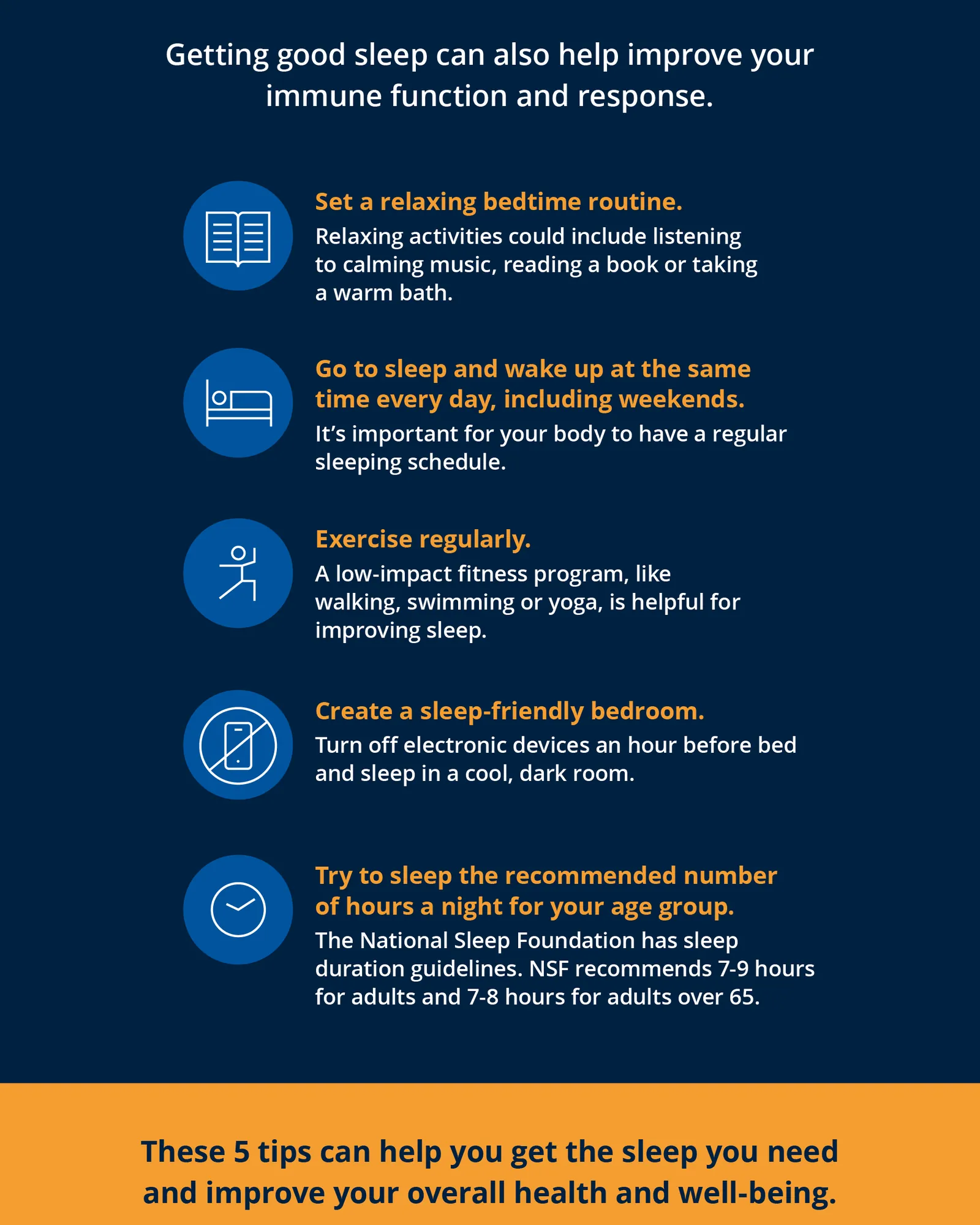
The light emitted by screens, particularly blue light, is a potent inhibitor of melatonin, the hormone that tells your body it’s time to sleep. Beyond the physiological effects, the content we consume—news, social media, or work emails—often triggers a stress response. Pro Tip: If you absolutely must use a device in the evening, use “night mode” settings to warm the color temperature of your screen, or wear blue-light-blocking glasses to minimize the impact on your natural rhythms.
Frequently Asked Questions
How long does a routine take?
A healthy bedtime routine typically lasts between thirty to sixty minutes. This duration is long enough to signal to your brain that the day is concluding without being so time-consuming that it becomes a chore. Consistency is more important than the specific duration, so focus on performing the same sequence of relaxing activities every single night to build a strong psychological association with sleep.
Should I nap during the day?
Napping is generally beneficial only if it’s kept brief, typically between fifteen and twenty minutes, and completed before 3:00 PM. Longer naps or those taken late in the day can reduce your “sleep pressure,” which is the drive to fall asleep at night. If you find yourself needing long naps, it may indicate that your nighttime sleep quality is poor and needs adjustment.
Does a warm bath help?
Taking a warm bath or shower about an hour before bed can significantly help you fall asleep faster. As you step out of the warm water, your body temperature drops quickly, which is a natural physiological signal that mimics the cooling process your body undergoes when transitioning into deep sleep. This temperature drop effectively triggers the onset of sleepiness and helps you relax your muscles.
Can I change my routine?
You can certainly adjust your routine to fit your lifestyle, provided you keep the core principles of relaxation and light avoidance intact. If you find that reading makes you too alert, swap it for listening to soft instrumental music or a calming podcast. The goal is to find activities that help you feel calm and detached from the day, rather than sticking to a rigid, uncomfortable set of rules.
When should I see a doctor?
You should speak with a professional if you have attempted to improve your sleep habits for several weeks without success or if your sleep issues are significantly impacting your work, mood, or physical safety. A doctor can screen for conditions such as restless leg syndrome, sleep apnea, or anxiety-related disorders that require clinical intervention beyond general lifestyle changes or behavioral adjustments.
Conclusion
Begin by choosing just one small change from the steps outlined above, such as putting your phone in another room thirty minutes before bed. Sustaining this single habit for one week will build the confidence and momentum needed to layer in additional improvements, eventually creating a restorative evening environment that supports your long-term health and daily energy levels.