How to Increase Your Protein Intake Naturally With Whole Foods | Fit Life Boost
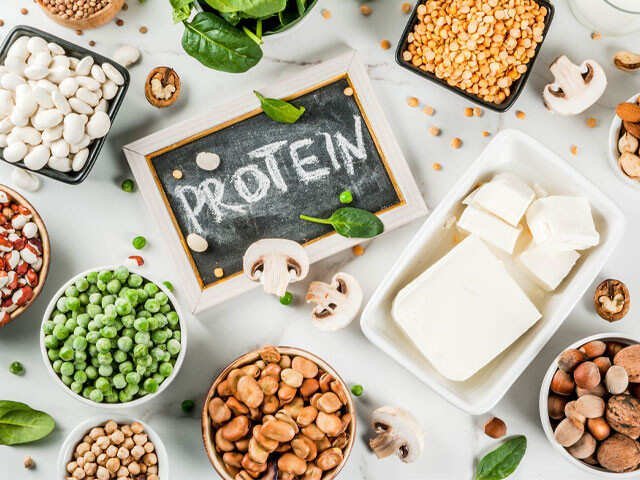
Increasing your daily protein intake naturally involves strategically incorporating nutrient-dense whole foods into every meal rather than relying on processed powders or synthetic supplements. By focusing on high-quality sources such as lean meats, legumes, dairy, and seeds, you can meet your body’s physiological requirements while enjoying a more diverse and satisfying diet. This approach ensures you receive essential amino acids alongside vital micronutrients like fiber, iron, and zinc that are often absent in isolated protein products.
Key Takeaways

- Distribute your protein intake evenly across three main meals plus snacks to maximize muscle protein synthesis.
- Prioritize whole food sources like eggs, Greek yogurt, and lentils to gain fiber and vitamins alongside amino acids.
- Incorporate plant-based proteins like hemp seeds or edamame into salads and bowls for an effortless nutrient boost.
- Check nutrition labels for hidden sugars in flavored protein-rich products that can offset your health goals.
- Combine different plant sources, such as beans and rice, to ensure you obtain a complete profile of essential amino acids.
Why Prioritize Natural Protein Sources?
Whole foods provide a synergistic nutrient matrix that isolated supplements can’t replicate. When you eat a piece of wild-caught salmon, you gain high-quality protein, omega-3 fatty acids, and vitamin D in a single package. These nutrients work together to support metabolic function and satiety. Relying on whole foods also helps regulate blood sugar levels, as the accompanying fiber and healthy fats slow down digestion, preventing the rapid glucose spikes often associated with liquid-based protein shakes.
How to Increase Your Protein Intake Naturally
Achieving a higher protein target requires shifting your focus toward specific food categories. Start by auditing your current plate. If your breakfast is primarily carbohydrate-based, such as toast or cereal, add a source of protein like cottage cheese or hard-boiled eggs. Throughout the day, keep pre-cooked protein items in your refrigerator for quick access. This preparation minimizes the temptation to choose high-calorie, low-protein convenience foods when you’re hungry and short on time.
| Protein Source | Typical Serving Size | Protein Content (Approx.) |
|---|---|---|
| Chicken Breast | 3 ounces | 26 grams |
| Greek Yogurt | 1 cup | 20 grams |
| Lentils (cooked) | 1 cup | 18 grams |
| Pumpkin Seeds | 1/4 cup | 9 grams |
| Large Egg | 1 unit | 6 grams |
Plant-Based Powerhouses for Your Diet
You don’t need animal products to hit your protein goals. Many plant-based staples are incredibly versatile and can be added to almost any dish. Legumes, such as chickpeas, black beans, and kidney beans, serve as excellent bases for soups and stews. Quinoa is a unique grain that acts as a complete protein source, meaning it provides all nine essential amino acids your body can’t produce on its own.
- Edamame: Steam these pods for a snack or add the shelled beans to stir-fries.
- Hemp Seeds: Sprinkle these onto oatmeal or yogurt for a nutty flavor and a significant protein boost.
- Nutritional Yeast: Use this savory, cheese-like powder on popcorn or roasted vegetables.
- Tempeh: This fermented soy product has a firm texture that’s perfect for grilling or baking.
Smart Snacking for Sustained Energy
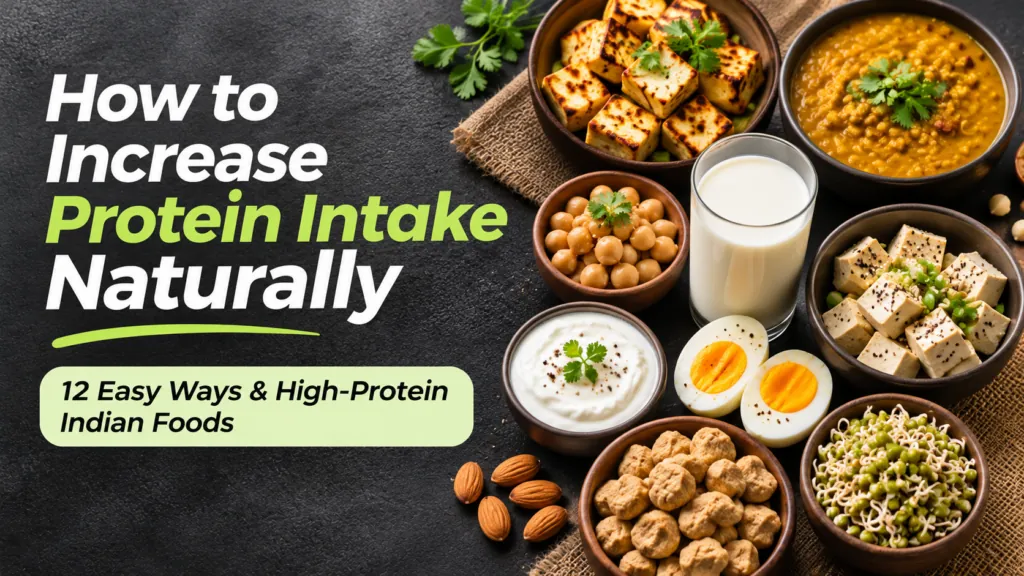
Most people struggle to reach their protein targets because they snack on simple carbohydrates like chips or crackers. By swapping these for protein-forward snacks, you stabilize your energy levels throughout the afternoon. Keep a stash of almonds, beef jerky, or individual Greek yogurt cups at your workspace. These options require zero preparation and provide the necessary fuel to keep your brain focused until your next full meal.
Balancing Macronutrients in Daily Meals
Pro Tip: Aim to have at least 20 to 30 grams of protein at each main meal to maintain muscle mass and metabolic health throughout the day.
Your overall dietary pattern is more important than any single meal. By rotating these sources, you ensure that you aren’t only hitting your protein numbers but also optimizing your intake of various vitamins and minerals that support long-term wellness.
Troubleshooting Common Intake Obstacles
If you find that increasing your protein leads to digestive discomfort, the culprit is often a sudden increase in fiber or a lack of proper hydration. When you start adding more beans, lentils, and cruciferous vegetables to your diet, your gut microbiome needs time to adjust. Increase your intake gradually over two weeks rather than making a drastic change overnight. Furthermore, drinking adequate water is essential to help your kidneys process the nitrogenous waste products that result from protein metabolism.
Comparing Popular High-Protein Food Groups
| Food Category | Benefit | Best Use Case |
|---|---|---|
| Dairy Products | High leucine content | Post-workout recovery |
| Legumes/Beans | High fiber density | Satiety and blood sugar control |
| Nuts/Seeds | Healthy fat content | Nutrient-dense snacking |
| Lean Meats | Vitamin B12 and iron | Main dinner or lunch protein |
Frequently Asked Questions
How much protein do I actually need?
Most healthy adults require about 0.8 grams of protein per kilogram of body weight daily. However, if you’re physically active or aiming to build muscle, you might benefit from consuming between 1.2 and 2.0 grams per kilogram of body weight. Consult with a registered dietitian to determine the specific range that aligns with your unique activity level and health history.
Can I get too much protein?
For most healthy individuals, consuming a high-protein diet is safe. However, those with pre-existing kidney conditions should exercise caution, as excessive protein intake can place additional stress on the kidneys. It’s always wise to speak with a healthcare professional before significantly altering your macronutrient intake, especially if you have chronic health concerns or are taking specific medications.
Will eating protein late at night cause fat gain?
Fat gain occurs when you consistently consume more calories than your body burns, regardless of the timing of your protein intake. Eating protein before bed can actually be beneficial, as it provides a steady supply of amino acids during your overnight fast. Focus on the total daily caloric and protein balance rather than obsessing over the exact time you eat your last meal.
Do I need to combine proteins at every meal?
You don’t need to consume complete proteins at every single meal. Your body maintains a pool of amino acids throughout the day. As long as you eat a varied diet containing different plant and animal sources over the course of 24 to 48 hours, your body will have everything it needs to synthesize the necessary proteins for muscle repair and enzymatic functions.
Are there signs I am not eating enough protein?
Common signs of insufficient protein intake include persistent fatigue, increased muscle soreness after exercise, brittle hair or nails, and frequent cravings for sugary snacks. If you find yourself feeling hungry shortly after finishing a meal, you may be lacking adequate protein, which is the most satiating macronutrient. Increasing your intake should help resolve these feelings of hunger and fatigue.
Can I rely on protein bars for my intake?
While convenient, most protein bars are highly processed and contain added sugars or sugar alcohols that can cause digestive issues. They should be viewed as a backup or an emergency option rather than a staple. Prioritize whole foods like Greek yogurt, eggs, or nuts whenever possible to ensure you’re getting real nutrition alongside your protein.
Conclusion
To begin your journey toward a more protein-rich lifestyle, start by replacing one snack today with a whole-food alternative such as a handful of almonds or a cup of Greek yogurt. By making these small, sustainable adjustments rather than attempting a complete dietary overhaul overnight, you’ll find it much easier to maintain these healthy habits for the long term.