
How to Improve Your Sleep Quality Naturally: 3 Proven Methods | Fit Life Boost
You can improve your sleep quality naturally by keeping a consistent schedule, optimizing your bedroom environment, and limiting stimulants in the evening. Most adults need between 7 and 9 hours of rest each night to function well, so aim for a routine that allows you to wake up at the same time every day.
Ways to improve sleep quality naturally

Follow these steps to build habits that help you fall asleep faster and stay asleep longer.
- Set a fixed wake-up time. Even on weekends, try to wake up within the same 30-minute window to keep your body’s internal clock predictable.
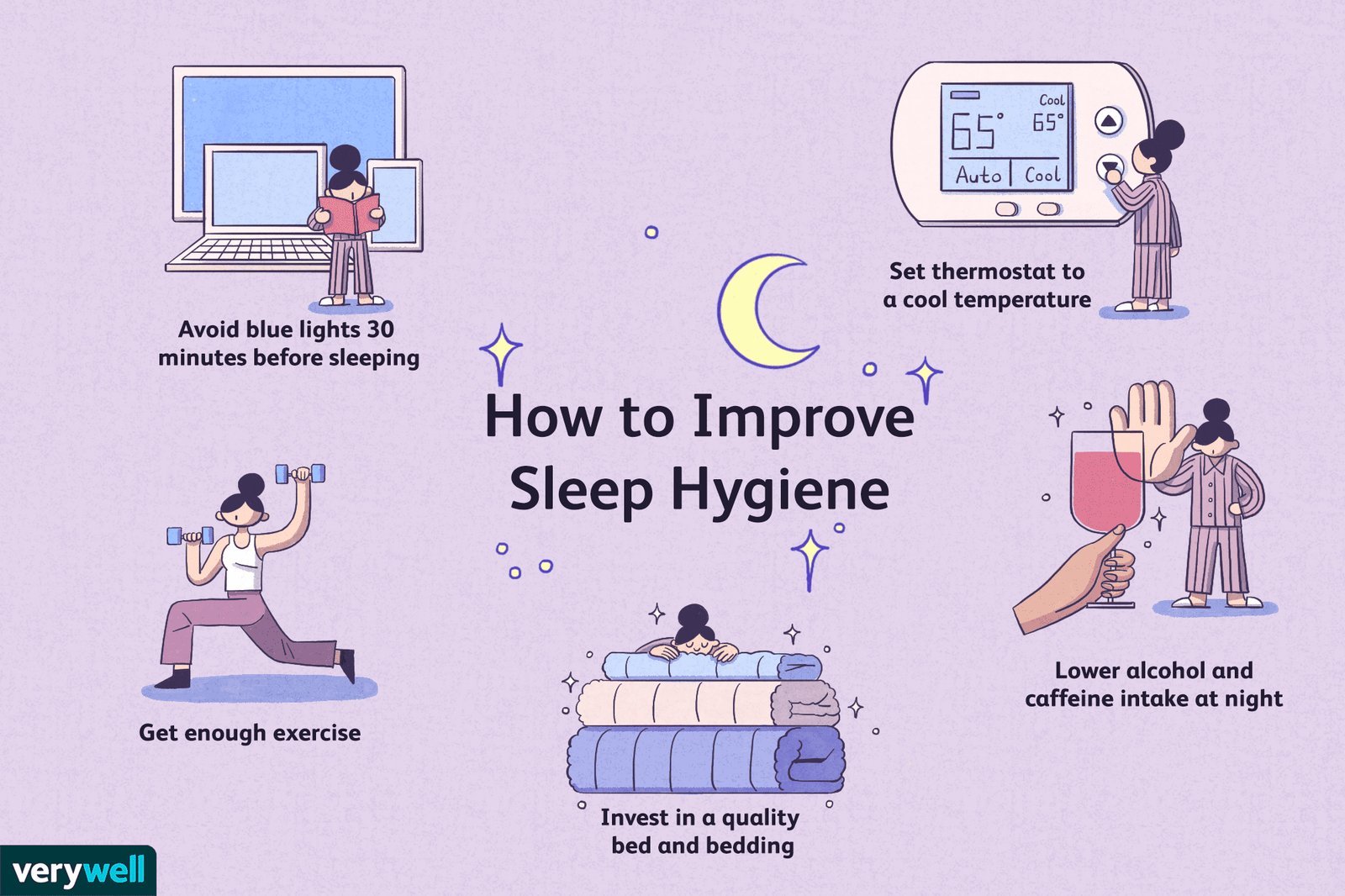
- Dim the lights early. Turn off bright overhead lights and reduce your screen use at least 60 minutes before you plan to climb into bed.
- Cool your sleeping space. Keep your bedroom temperature between 60 and 67 degrees Fahrenheit to help your body reach the cooling state it needs for deep rest.
- Create a quiet zone. Use white noise machines or earplugs if you live in a noisy area, as sudden sounds can disrupt your sleep cycles without you waking up fully.
- Limit caffeine and meals. Stop consuming caffeine by mid-afternoon and avoid heavy or spicy meals within 3 hours of your bedtime to prevent indigestion.
- Use your bed only for sleep. If you can’t fall asleep after 20 minutes, leave the room and do something quiet until you feel sleepy again to keep your brain from associating the bed with frustration.
Habits and Their Effects on Rest
The table below shows how specific daily choices impact your ability to maintain healthy sleep patterns.
| Habit | Timing | Impact on Sleep Quality |
|---|---|---|
| Caffeine intake | Before 2:00 PM | High; prevents deep rest |
| Exercise | Morning or afternoon | High; helps you fall asleep |
| Screen time | 1 hour before bed | Negative; suppresses melatonin |
| Bedroom temp | Nighttime | Positive; supports core cooling |
Tip: If you struggle to shut off your thoughts at night, try writing down your tasks for the next day before you get into bed. This simple act of offloading your mental to-do list can help you relax and signals to your brain that the workday is officially over.
Common Mistakes That Disrupt Sleep

Many people accidentally sabotage their rest by trying to “catch up” on sleep. Staying in bed for extra hours on Saturday morning often shifts your body clock, making it harder to fall asleep on Sunday night and creating a cycle of fatigue.
Another common error is using alcohol as a sleep aid. While it might help you drift off initially, alcohol consumption fragments your sleep cycles and prevents you from reaching the restorative stages of rest you need to feel refreshed. As the alcohol metabolizes, your body often experiences a rebound effect that triggers mid-night awakenings.
Don’t rely on long afternoon naps to fix your energy levels. If you must nap, keep it under 20 minutes and finish it before 3:00 PM. Anything longer or later will likely make it impossible to feel tired when your real bedtime arrives.
If you find yourself frequently napping, it’s a sign that your nighttime sleep isn’t providing the recovery you need. Instead of relying on daytime rest, focus on protecting the consistency of your evening schedule.
Frequently Asked Questions
Is it safe to use herbal supplements for sleep?
Many people use herbs like valerian or chamomile, but you should talk to your doctor before adding any supplement to your routine. Some herbs can interact with medications or cause side effects that interfere with your health.
Why do I wake up in the middle of the night?
Frequent waking often happens because of light, noise, or temperature changes in your room. If you wake up regularly at the same time, check your environment for small disturbances like a blinking light or a pet moving around.
Can exercise too close to bedtime hurt my sleep?
Yes, intense exercise raises your core body temperature and heart rate, which can keep you alert for hours. Try to finish vigorous workouts at least 3 hours before you plan to go to sleep.
Conclusion
Pick one of the steps above to change tonight, such as dimming the lights or adjusting your thermostat. Focus on sticking to that single new habit for at least one week before you add another, as small, consistent shifts are much easier to maintain than trying to overhaul your entire life at once.






2 Comments