How to Create a Relaxing Sleep Environment for Better Rest | kitchen setup guide
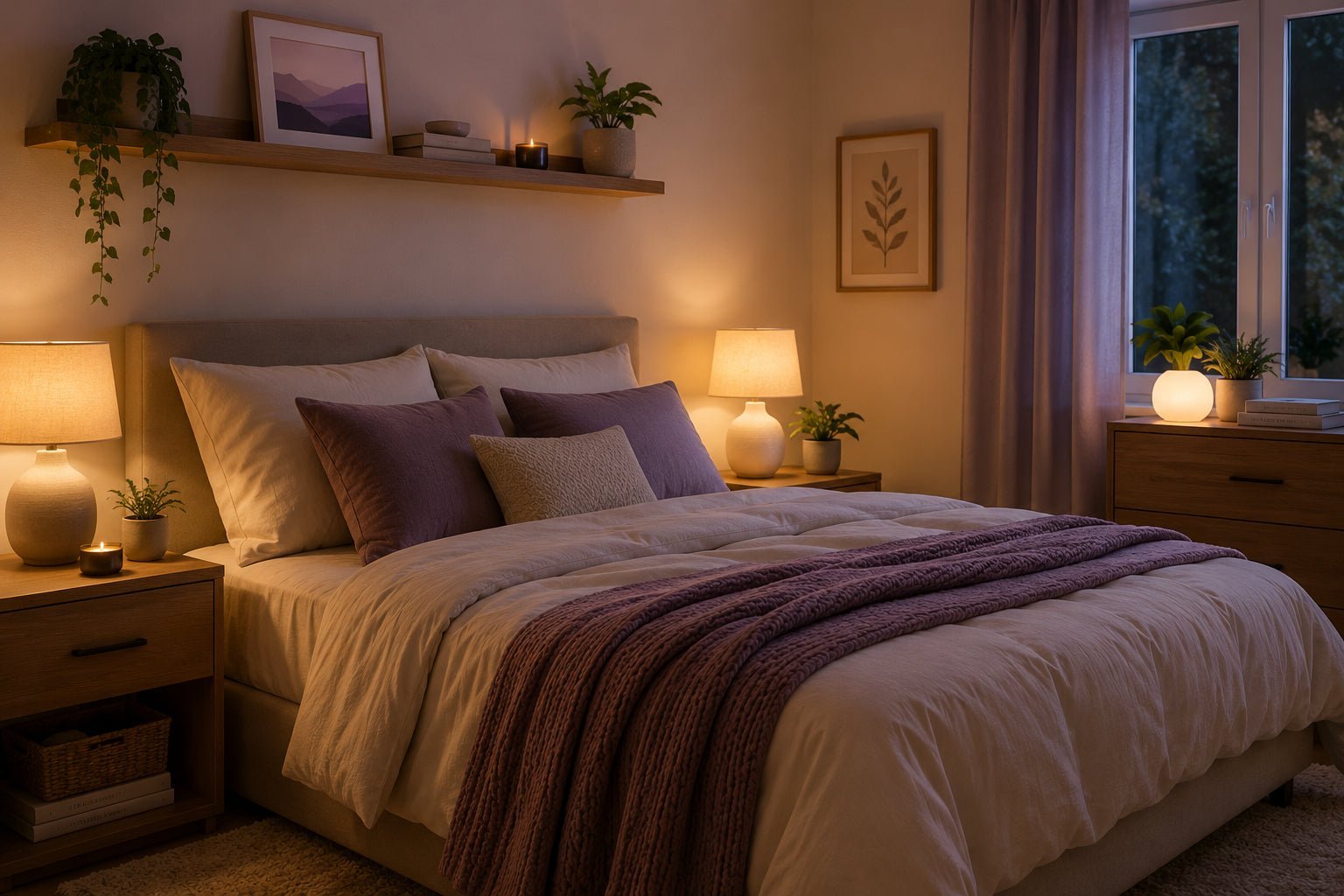
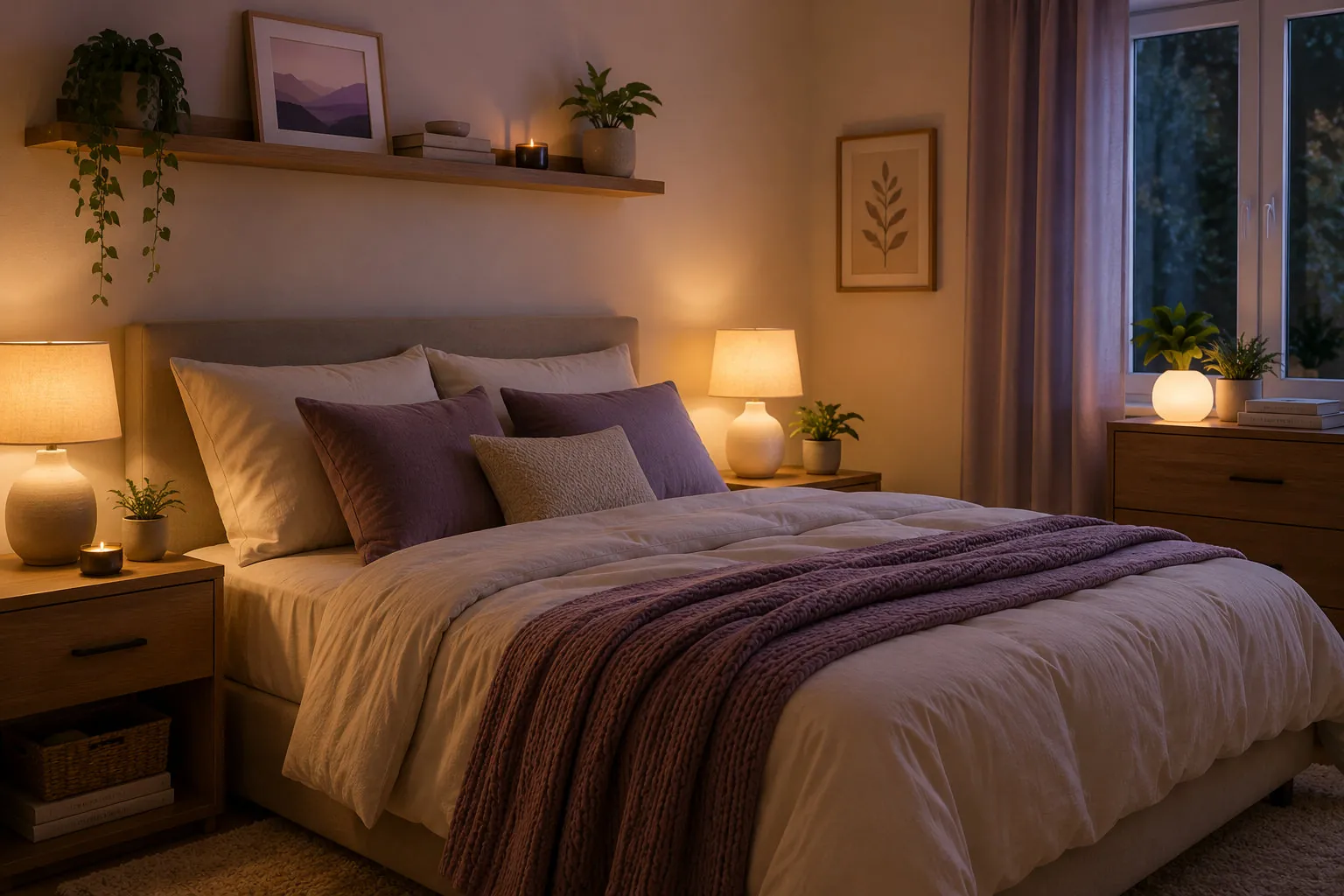
Creating a relaxing sleep environment involves curating your bedroom to serve as a dedicated sanctuary for rest, focusing on sensory comfort and the removal of disruptive external stimuli. By optimizing factors like temperature, lighting, and physical support, you can signal to your brain that it’s time to wind down. This process isn’t just about aesthetics; it’s about building a functional space that supports your circadian rhythm and minimizes the friction between you and a restful night of slumber.
Key Takeaways

- Maintain your bedroom temperature between 60 and 67 degrees Fahrenheit for optimal rest.
- Eliminate blue light sources from screens at least one hour before you intend to sleep.
- Invest in high-quality, breathable bedding materials like cotton, linen, or bamboo.
- Use white noise machines or fans to mask sudden, unpredictable household sounds.
- Reserve your bed exclusively for sleep and intimacy to reinforce a psychological association.
How to Create a Relaxing Sleep Environment
Transforming a cluttered, multi-purpose room into a serene sleep environment requires a systematic approach to your physical surroundings. Your bedroom should be a place where your body feels naturally inclined to shut down. Start by removing items that cause stress, such as work documents, exercise equipment, or piles of laundry. When the visual environment is chaotic, the mind often struggles to reach a state of deep, restorative relaxation.
Managing Light and Dark
Light is the primary external cue for your internal clock. Even small amounts of light hitting your eyelids can suppress melatonin production, which is the hormone responsible for signaling sleepiness. To create the ideal environment, you must prioritize total darkness.
- Blackout curtains or heavy roller shades.
- Sleep masks with contoured eye cups.
- Opaque tape for small LED lights on electronics.
- Low-wattage amber or red-toned nightlights.
Pro Tip: If your windows face a street with bright lamps, install secondary blackout liners behind your decorative drapes to block light leakage at the edges.
Controlling Temperature and Air Quality
The human body needs to drop its core temperature to initiate sleep. If your room is too warm, your body must work harder to cool down, which can lead to restlessness.
According to the National Institute of Neurological Disorders and Stroke, keeping the bedroom environment cool is a vital component of good sleep hygiene. Proper ventilation also plays a role; ensure that your room has adequate airflow to prevent the buildup of stale air, which can make the space feel stuffy and claustrophobic.
| Factor | Recommended Setting | Benefit |
|---|---|---|
| Temperature | 60°F – 67°F | Promotes core heat loss |
| Humidity | 30% – 50% | Prevents respiratory dryness |
| Airflow | Gentle circulation | Reduces CO2 accumulation |
Selecting Your Bedding and Furniture
The physical comfort of your bed is the foundation of a good night. If your mattress is sagging or your pillows offer no neck support, your body will remain in a state of light tension, preventing the transition into deep sleep stages. When choosing new items, prioritize natural fibers that wick moisture away from the skin. Synthetic fabrics can trap heat, causing you to wake up feeling clammy or overheated.
Mattress and Pillow Checklist
- Medium-firm mattress for spinal alignment.
- Memory foam pillows for pressure point relief.
- Breathable cotton sheets with a high thread count.
- Weighted blankets for anxiety reduction.
Reducing Noise Pollution
Sudden noises are the enemy of consistent sleep. If you live in a noisy neighborhood, you may need to introduce a consistent, soothing background sound to mask spikes in volume from traffic or neighbors. White noise machines, which provide a steady spectrum of sound, are often more effective than silence for people who are sensitive to abrupt auditory changes.
Sound Management Options
- White noise machines that offer multiple sound profiles.
- Heavy curtains or rugs to dampen sound reflections.
- Soft earplugs designed for sleeping comfort.
- Smartphone apps that play nature sounds or rainfall.
The Role of Scent and Aromatherapy
Your sense of smell is directly linked to the emotional centers of your brain. By introducing specific, calming scents into your evening routine, you can create a pavlovian response where your brain begins to associate that specific aroma with sleep. Use these scents sparingly; they should be subtle, not overwhelming.
| Scent Type | Best For | Application Method |
|---|---|---|
| Lavender | Reducing heart rate | Essential oil diffuser |
| Chamomile | Calming the nerves | Linen spray on pillow |
| Bergamot | Easing anxiety | Diluted room mist |
Establishing a Nighttime Routine
A relaxing environment is only half the battle; the other half is your transition into that space. You can’t expect to jump from a high-stress activity directly into bed and fall asleep immediately. A routine acts as a bridge between your daytime obligations and your nightly rest.
Warning: Avoid consuming caffeine or large, heavy meals within three hours of your desired bedtime, as these can disrupt your internal chemistry regardless of how quiet or dark your room is.
Steps to Wind Down
- Dim the lights throughout your home thirty minutes before bed.
- Engage in light stretching or gentle yoga to release physical tension.
- Read a physical book rather than using a digital tablet.
- Write down any lingering tasks for tomorrow to clear your mind.
- Practice deep breathing or meditation once you’re under the covers.
Troubleshooting Common Sleep Disruptions
If you have optimized your room and still find yourself awake, you may need to troubleshoot specific environmental variables. Often, a small change can make a significant difference in your ability to drift off.
- Partner Disturbance: If a partner snores, consider separate blankets or a white noise machine placed between your beds.
- Pet Movement: If pets wake you up, move their sleeping area to a different room or a floor-level bed.
- Digital Clutter: If you see a clock, turn it away so you aren’t tempted to calculate how many hours of sleep you have left.
Related guides
- How to Create a Healthy Bedtime Routine for Better Sleep | Fit Life Boost
- How to Create a Balanced Diet for Beginners: A Simple Guide
Frequently Asked Questions
Does the color of my bedroom walls matter?
While personal preference is key, soft, muted colors like sage green, pale blue, or soft gray are generally considered the most relaxing. These shades have a lower light reflectivity and a calming psychological effect compared to bright, stimulating colors like red or neon yellow. Keeping your bedroom decor simple and uncluttered helps to foster a tranquil atmosphere conducive to sleep.
Can I use my bedroom for work or exercise?
It’s strongly advised to avoid using your bedroom as a workspace or gym. When you perform tasks that require focus or intense movement in your sleep space, your brain begins to associate the room with alertness rather than rest. If you have limited space, try to create a physical barrier, like a screen or curtain, to separate your work area from your bed.
How often should I wash my bedding?
You should aim to wash your sheets and pillowcases at least once every week or two. Dead skin cells, sweat, and dust mites can accumulate in your bedding, potentially triggering allergies or skin irritation that can disrupt your sleep quality. Maintaining a clean and fresh-smelling bed contributes significantly to the overall comfort of your sleep environment and your physical well-being.
Is it better to sleep in total silence?
Total silence isn’t always ideal for everyone. If you live in a noisy area, the silence can make small, sudden sounds seem much louder and more startling. For many people, a consistent background sound, such as white noise or a fan, helps to smooth out the auditory landscape, making it easier to fall asleep and stay asleep throughout the night.
When should I see a sleep specialist?
If you have optimized your sleep environment and established a consistent routine but still suffer from chronic insomnia, excessive daytime sleepiness, or loud snoring, you should consult a doctor. These may be signs of underlying conditions like sleep apnea or restless leg syndrome. A professional can provide a formal evaluation and offer treatments that go beyond simple environmental adjustments to ensure you get the rest you need.
Conclusion
Start tonight by identifying the single most distracting element in your bedroom, such as a bright LED light or an uncomfortable pillow, and address that one issue immediately. By making these small, incremental changes to your space, you’ll gradually build the perfect sanctuary for deep, restorative rest. Consistency is the final ingredient, so maintain these new habits to experience the full benefits.