
Common Workout Mistakes Beginners Should Avoid for Better Results | Fit Life Boost
Starting a fitness journey is an exciting milestone, yet many people quickly become discouraged when they hit plateaus or experience discomfort. Understanding the common workout mistakes beginners should avoid can significantly improve your experience and ensure you remain consistent over the long term. By focusing on fundamental movement patterns and realistic expectations, you can build a sustainable routine that yields results without the frustration of repeated setbacks or unnecessary injuries.
Key Takeaways
- Prioritize proper form over lifting heavy weights to ensure safety and long-term joint health.
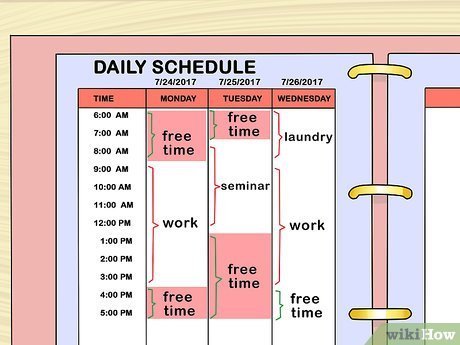
- Incorporate rest days into your weekly schedule to allow your muscles to recover and grow.
- Avoid overtraining by starting with a manageable frequency rather than trying to exercise every single day.
- Track your progress using a journal or app to maintain consistent motivation and observe small improvements.
- Consult a qualified professional before starting if you have any pre-existing medical conditions or physical limitations.
Why Do Beginners Skip Warmups?
Many new trainees view the warmup as an optional luxury that takes time away from the “real” workout. However, skipping this phase is a primary cause of strain. A proper warmup increases your core temperature and improves blood flow to your muscles, making them more pliable and ready for physical stress. Spending five to ten minutes on dynamic movements like arm circles, leg swings, or light walking can drastically reduce your risk of acute injury during more intense activities.
Are You Ignoring Your Form?
The most frequent error in the gym is sacrificing technique to lift heavier objects or complete repetitions faster. When your form breaks down, you stop working the intended muscle groups and start placing dangerous, uneven loads on your ligaments and joints.
To fix this, always prioritize controlled movement over the total weight on the bar. If you find your body swaying or using momentum to complete a lift, it’s a clear sign that you should lower the intensity until your control is perfect.
| Exercise | Common Form Error | How to Correct It |
|---|---|---|
| Squat | Heels lifting off floor | Shift weight back onto mid-foot |
| Push-up | Sagging lower back | Engage core to keep spine flat |
| Lunge | Knee caving inward | Align knee over the second toe |
| Overhead Press | Arching the lower back | Tighten glutes and brace abdominals |
The Danger of Overtraining
Enthusiasm is a double-edged sword; while it gets you to the gym, it often leads to doing too much too soon. Overtraining occurs when you push your body beyond its capacity to recover.
According to the American College of Sports Medicine, persistent fatigue and decreased performance are common signs that your body needs a longer break. Instead of training seven days a week, start with three or four sessions, leaving at least one day of rest between intense bouts of activity.
Are Your Goals Too Vague?

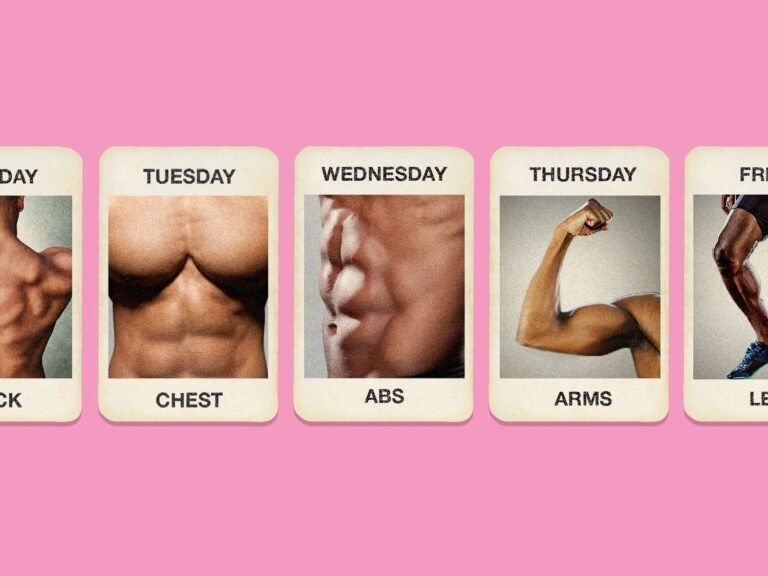
A common pitfall is entering the gym without a clear objective. When you lack a plan, you tend to wander between machines, wasting time and losing focus. Instead, write down a structured plan that includes the specific exercises, sets, and repetitions you intend to perform. This structured approach transforms exercise from a chore into a focused task. If you’re unsure how to build a routine, start with a simple full-body workout that hits every major muscle group twice per week.
Why Rest Days Are Essential
Some beginners believe that taking a day off will negate their progress. In reality, your muscles don’t grow while you’re in the gym; they grow while you’re resting. During recovery periods, your body repairs the microscopic tears caused by exercise, building stronger fibers in the process.
Skipping these days leads to cumulative fatigue, which can quickly derail your progress. Use your rest days for light activities like stretching, walking, or gentle yoga to maintain your habit without stressing your central nervous system.
How To Track Your Progress
If you never measure your output, you’ll struggle to see how far you have come. Relying on the scale is often misleading because body composition changes can occur even when your weight remains stable.
Use a notebook or a mobile application to record the weights you lift, the number of repetitions, and how you felt during the session. Keeping a detailed log allows you to see objective improvements in your strength and endurance, which provides the positive reinforcement needed to stick with your new routine.
Are You Neglecting Your Nutrition?
Exercise is only one piece of the puzzle. If you aren’t fueling your body with the nutrients it needs to recover, you’ll likely feel sluggish and weak. Focus on consuming a balanced diet rich in protein, complex carbohydrates, and healthy fats. Staying hydrated is equally vital, as even mild dehydration can significantly impair your physical performance. Don’t fall for restrictive fad diets; focus instead on consistent, sustainable eating habits that support your activity levels.
| Nutrient Type | Role in Recovery | Sources to Consider |
|---|---|---|
| Protein | Repairs damaged muscle tissue | Lean meat, beans, tofu, eggs |
| Carbohydrates | Replenishes glycogen stores | Oats, brown rice, sweet potatoes |
| Healthy Fats | Supports hormonal function | Avocado, nuts, olive oil |
Understanding Proper Progression
Many beginners fall into the trap of increasing their weight too quickly. The principle of progressive overload suggests that you should increase your workload gradually, not all at once. If you can perform your target repetitions with perfect form, try adding a small amount of weight or performing one extra repetition in your next session. This steady, incremental growth is the most reliable way to build strength without triggering an overuse injury.
Pro Tip: Never compare your starting point to someone else’s peak performance; focus entirely on your own personal growth and consistency.
Are You Using The Right Gear?
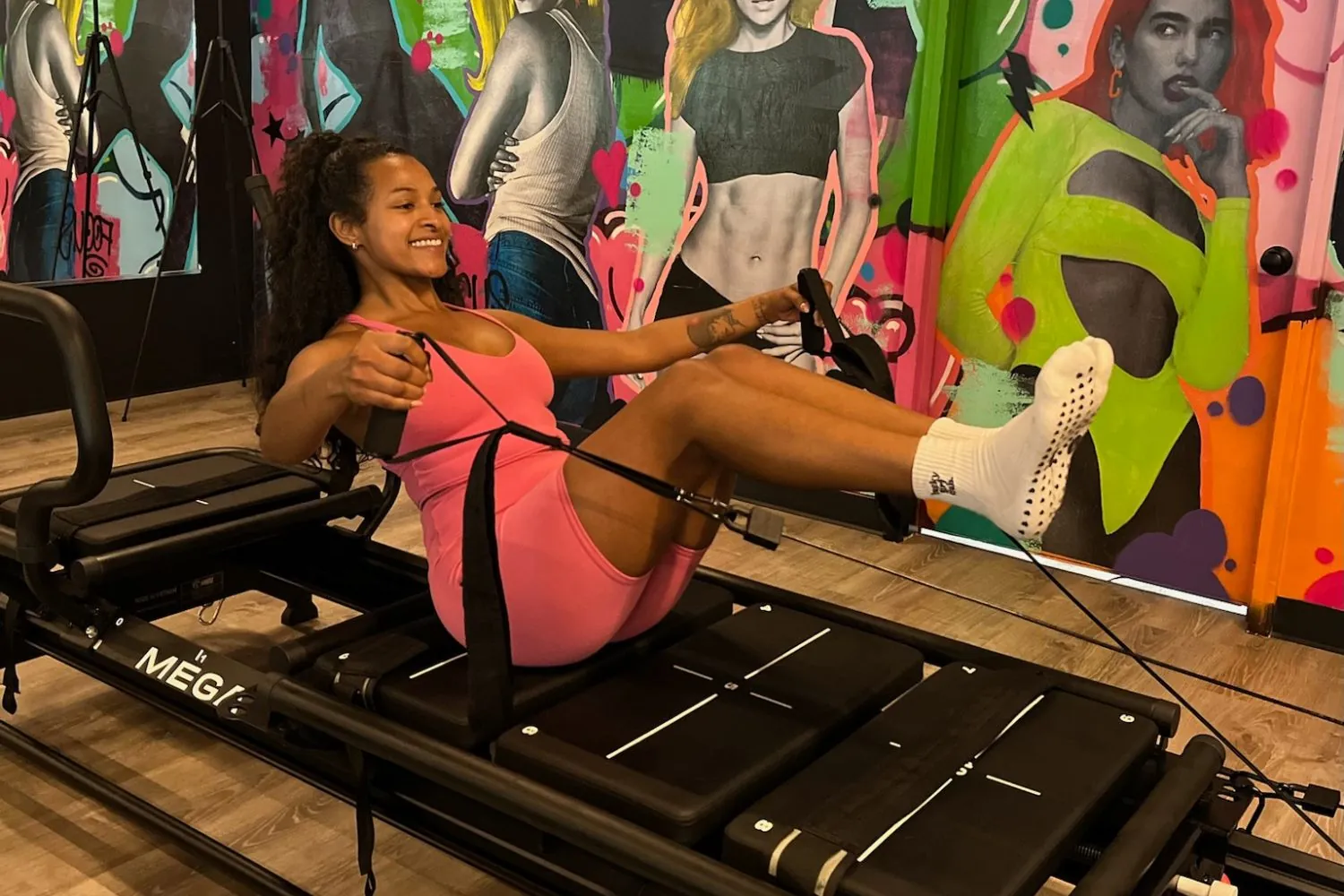
You don’t need expensive equipment to get a great workout, but you do need appropriate attire. Wearing shoes that provide proper support for your chosen activity is vital for injury prevention. Loose or restrictive clothing can also interfere with your range of motion. Investing in a pair of versatile trainers and breathable fabric can make your sessions more comfortable and help you stay focused on your movements rather than your gear.
Warning: If you feel sharp, shooting pain during any movement, stop immediately and assess your technique or consult a professional to ensure you aren’t damaging your joints.
Frequently Asked Questions
How long should a workout last?
For most beginners, a productive session lasts between forty-five and sixty minutes. This duration is sufficient to complete a thorough warmup, a full-body strength routine, and a cool-down without becoming overly exhausted. Quality is far more important than duration; a focused forty-minute session is superior to two hours of distracted, low-intensity movement.
What if I feel sore afterward?
Delayed onset muscle soreness is common when you start a new routine. It’s a natural response to unfamiliar physical stress. Light movement, such as a brisk walk or gentle stretching, can help alleviate the discomfort by increasing blood flow to the affected areas. If the soreness is severe or lasts longer than three days, consider reducing your intensity in the next session.
Should I do cardio or weights?
Both are beneficial, and the best approach is to include a mix of both. Strength training helps build muscle and bone density, while cardiovascular activity improves heart health and endurance. You can alternate between these types of training throughout the week to keep your routine varied and ensure you’re working on different aspects of your physical fitness.
How often should I train?
Aim for three days per week when you’re first starting out. This frequency provides a balance between providing enough stimulus for progress and allowing your body sufficient time to recover. Once you have built a consistent habit and feel comfortable with your current routine, you can gradually increase your frequency to four or five days per week if desired.
When will I see results?
Everyone responds to exercise at a different rate. While some people notice improved energy and mood within a few weeks, visible changes in body composition typically take several months of consistent effort. Focus on non-physical markers of success, such as improved sleep quality, increased strength, and higher daily energy levels, to keep yourself motivated while you wait for physical changes.
Conclusion
Consistency is the most important factor in your long-term success. Rather than searching for a perfect program, commit to a simple, sustainable routine that you enjoy performing. Start by scheduling three sessions for next week, ensure you have a basic plan ready before you arrive, and focus on your form during every single repetition to build a strong, healthy foundation.