Cardio vs. Strength Training: The Key Differences Explained | Fit Life Boost
Deciding how to allocate your time in the gym often leads to the common debate of cardio vs. strength training: what is the difference? While both modalities are pillars of physical fitness, they function differently within the body, triggering distinct physiological adaptations that cater to unique health goals. Cardio, or aerobic exercise, primarily focuses on the efficiency of your heart and lungs, while strength training, or resistance exercise, is centered on muscular tension and structural integrity. Understanding these mechanisms allows you to design a balanced routine that promotes longevity, metabolic health, and functional independence without overtraining or neglecting specific biological systems.
Key Takeaways

- Cardio improves cardiovascular efficiency, while strength training increases muscle mass and bone density.
- Combining both methods is generally superior for long-term health than focusing exclusively on one.
- Strength training typically provides a higher “afterburn” effect, increasing your resting metabolic rate over time.
- Cardio is essential for lowering blood pressure and improving endurance during daily activities.
- Prioritize consistency over intensity; aim for a sustainable schedule that integrates both modalities.
What Defines Aerobic Exercise?
Aerobic exercise involves rhythmic, repetitive movements that increase your heart rate and breathing for a sustained period. This process relies on oxygen to generate energy, which is why it’s often called cardio. These activities improve the capacity of your heart to pump blood and the efficiency of your muscles in utilizing oxygen. When you engage in these sessions, you’re training your body to become more resilient during prolonged physical exertion.
Common Cardio Modalities
- Steady-state jogging: A consistent pace that allows for sustained movement over distance.
- Cycling: Excellent for low-impact heart rate elevation.
- Swimming: Engages the full body while providing resistance against the water.
- Brisk walking: A highly accessible entry point for improving heart health.
- Rowing: Combines cardiovascular effort with moderate muscular endurance.
Understanding Resistance Training
Strength training is the practice of stressing muscles through resistance to stimulate growth and endurance. By lifting weights, using resistance bands, or performing bodyweight movements, you create micro-tears in the muscle fibers. During the recovery phase, the body repairs these fibers, making them thicker and stronger. This process not only builds size but also increases bone mineral density, which is a critical factor in preventing age-related frailty and injury.
Core Strength Movements
- Squats: Target the quadriceps, hamstrings, and glutes.
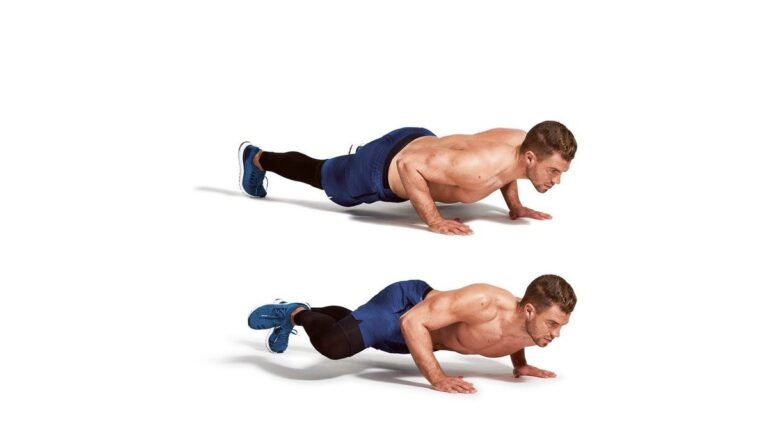
- Push-ups: Develop chest, shoulder, and tricep strength.
- Deadlifts: Engage the posterior chain, including the lower back and hamstrings.
- Overhead press: Focuses on shoulder stability and vertical pushing power.
- Pull-ups: Build significant back and bicep strength.
Cardio vs. Strength Training Metabolic Impacts
The primary difference in metabolic output lies in how each method burns calories. Cardio burns more calories during the actual session, while strength training creates a higher demand for energy during the recovery process. This is often referred to as Excess Post-exercise Oxygen Consumption (EPOC).
According to the Physical Activity Guidelines for Americans published by the U.S. Department of Health and Human Services, adults should aim for at least 150 minutes of moderate-intensity aerobic activity and two days of muscle-strengthening activities each week to reap the full spectrum of health benefits.
| Feature | Cardio Training | Strength Training |
|---|---|---|
| Primary Goal | Heart/Lung Efficiency | Muscular Strength/Size |
| Energy Source | Oxygen (Aerobic) | Glycogen/ATP (Anaerobic) |
| Calorie Burn | High during exercise | High during recovery |
| Primary Benefit | Improved endurance | Increased metabolism |
How to Structure Your Routine

Balancing both training types requires a strategic approach. If your goal is general health, you can alternate days or perform them in the same session. When combining both in one workout, consider performing your strength training first to ensure your glycogen stores are available for lifting with proper form. Cardio can then be used to flush out the muscles and keep the heart rate elevated.
Weekly Sample Schedule
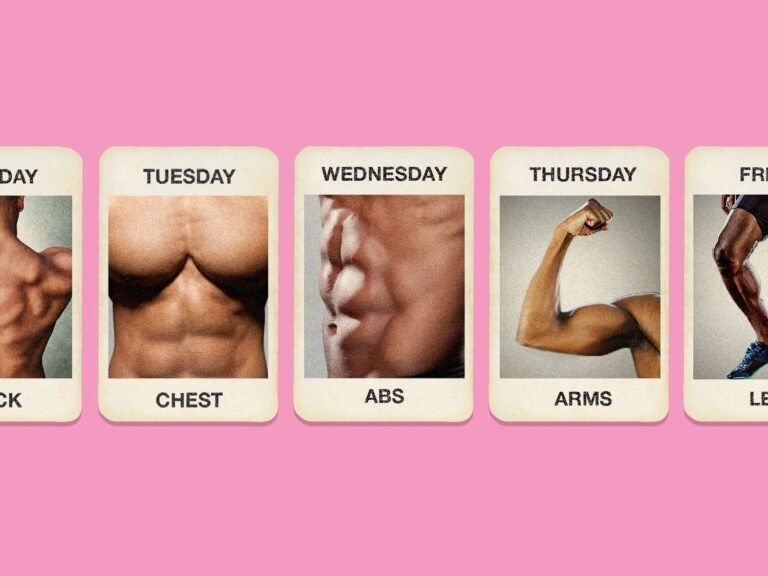
| Day | Activity Type | Focus Area |
|---|---|---|
| Monday | Strength | Full body compound lifts |
| Tuesday | Cardio | Moderate-intensity steady state |
| Wednesday | Rest/Active Recovery | Stretching or light walking |
| Thursday | Strength | Upper/Lower split focus |
| Friday | Cardio | Interval training (HIIT) |
| Saturday | Activity | Outdoor recreation or sport |
| Sunday | Rest | Complete recovery |
Why Both Are Essential
Focusing on only one modality leaves gaps in your physiological profile. A person who only does cardio might lack the muscle mass required for metabolic health and joint support, while someone who only lifts heavy might struggle with heart health and stamina.
Integrating both creates a synergistic effect where your muscles are strong enough to support your heart, and your heart is efficient enough to support your muscles during intense training sessions. This holistic approach is the gold standard for long-term physical wellness.
Addressing Common Training Myths
Many people fear that lifting weights will make them “bulky” or that cardio will “eat away” all their muscle. In reality, significant hypertrophy requires a specific caloric surplus and high-volume training, while cardio will only cause muscle loss if you’re in a massive caloric deficit without adequate protein intake. Prioritize protein consumption to ensure your body has the raw materials needed to repair tissues regardless of the type of training you choose to perform.
Essential Equipment Options
You don’t need an expensive gym membership to start. Both cardio and strength training can be performed with minimal gear. For strength, focus on items that provide progressive overload, such as adjustable dumbbells or a set of varied resistance bands. For cardio, a simple pair of running shoes or a jump rope is enough to get started.
Budget-Friendly Gear
- Resistance bands: Versatile and easy to store.
- Adjustable dumbbells: Replace an entire rack of weights.
- Jump rope: High-intensity cardio in a small space.
- Pull-up bar: Mounts easily in most door frames.
- Yoga mat: Provides comfort for floor-based movements.
Pro Tip: Always focus on perfecting your movement patterns before increasing the weight or intensity to avoid unnecessary strain on your joints.
Recovery and Injury Prevention

Recovery is the phase where the actual adaptation occurs. Without adequate sleep, nutrition, and hydration, neither cardio nor strength training will yield optimal results. Incorporate active recovery days, such as light walking or yoga, to promote blood flow without adding excessive stress to your central nervous system. If you experience sharp pain or persistent soreness that lasts longer than 72 hours, it’s a sign that you should scale back the intensity and allow your body to heal.
Warning: If you have pre-existing heart conditions or joint injuries, consult with a physician or a certified physical therapist before beginning a new, high-intensity exercise regimen.
Frequently Asked Questions
Can I lose weight by doing only cardio?
Yes, you can lose weight with cardio alone by creating a caloric deficit. However, losing weight without strength training may result in a loss of muscle mass alongside body fat. Incorporating strength training helps preserve lean tissue, which keeps your metabolism higher and ensures that more of the weight lost comes from fat stores rather than muscle.
How much weight should I lift?
Start with a weight that allows you to complete 8 to 12 repetitions with perfect form. If you can easily complete more than 15 repetitions, the weight is likely too light. If you can’t complete at least 8 repetitions with good technique, the weight is too heavy. Focus on progressive overload by slowly increasing the weight over several weeks.
Is HIIT considered cardio or strength?
High-Intensity Interval Training (HIIT) is primarily a cardiovascular tool, though it can provide some muscular endurance benefits. Because it involves short bursts of near-maximal effort, it’s excellent for improving heart health in a short amount of time. However, it doesn’t replace the benefits of dedicated, slow-tempo strength training, which is necessary for significant muscle hypertrophy and bone density improvements.
Do I need supplements to see results?
No, supplements aren’t required for fitness progress. A well-rounded diet consisting of whole foods will provide the necessary nutrients for performance and recovery. While some people find protein powder or creatine helpful for convenience or specific goals, these are secondary to your overall training consistency and nutrition. Most people can achieve their goals through consistent effort and a focus on balanced meals.
How many days a week should I train?
Most people see the best results by training 3 to 5 days per week. The specific frequency depends on your goals and recovery capacity. A beginner might start with 3 days of full-body workouts, while a more advanced trainee might prefer a 5-day split. The most important metric is consistency; find a schedule you can maintain for months, not just weeks.
Conclusion
To begin your journey toward a more balanced physique, choose one form of resistance exercise and one type of cardiovascular movement that you genuinely enjoy. Start with two sessions of each per week, focusing on consistent, steady progress rather than immediate intensity. As you build confidence and physical capacity, you can gradually increase the frequency or complexity of your workouts to match your evolving fitness goals.