High-Protein Foods for Muscle Recovery: The Best Recovery Diet
When you push your muscles through a challenging workout, you’re essentially creating microscopic tears in your muscle fibers. Providing your body with the right fuel is essential to repair this damage and build stronger tissue. Incorporating high-protein foods for muscle recovery into your daily meal plan ensures that you have the amino acids necessary to initiate protein synthesis. By focusing on nutrient-dense sources, you support your body’s natural repair cycle while managing overall energy levels throughout your active training weeks.
Key Takeaways

- Aim to distribute your protein intake evenly across four to five meals to maintain a positive nitrogen balance.
- Prioritize complete protein sources that contain all nine essential amino acids required for muscle tissue repair.
- Combine protein sources with complex carbohydrates to replenish glycogen stores depleted during intense physical activity.
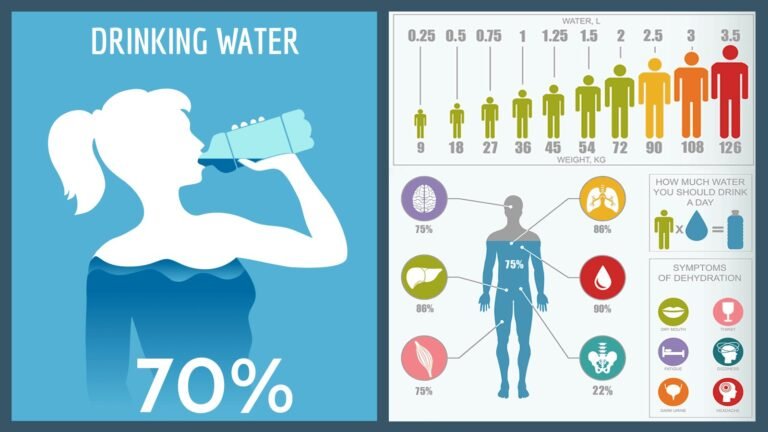
- Hydration is as critical as nutrition; protein metabolism requires adequate water to function efficiently.
- Consult with a registered dietitian if you have underlying kidney conditions or specific metabolic health requirements.
Essential Sources for Muscle Repair
Lean Chicken Breast
Chicken breast is the gold standard for many athletes because of its high protein-to-calorie ratio. It provides a dense source of lean protein with minimal fat, making it ideal for post-workout meals. You can grill, poach, or bake chicken breasts in bulk to ensure you always have a convenient recovery option ready to add to salads, wraps, or grain bowls.
Greek Yogurt
This fermented dairy product is packed with casein and whey, offering both fast-digesting and slow-digesting protein. The presence of probiotics also supports gut health, which is vital for nutrient absorption. Use it as a base for smoothies, mix it with berries for a snack, or use it as a healthier substitute for sour cream in savory dishes.
Wild-Caught Salmon
Beyond protein, salmon provides essential omega-3 fatty acids. These healthy fats help manage inflammation caused by strenuous exercise. Because recovery involves more than just building muscle, reducing systemic inflammation is a significant benefit. Bake or pan-sear your salmon fillets and serve them alongside steamed vegetables for a nutrient-dense recovery dinner.
Lentils and Legumes
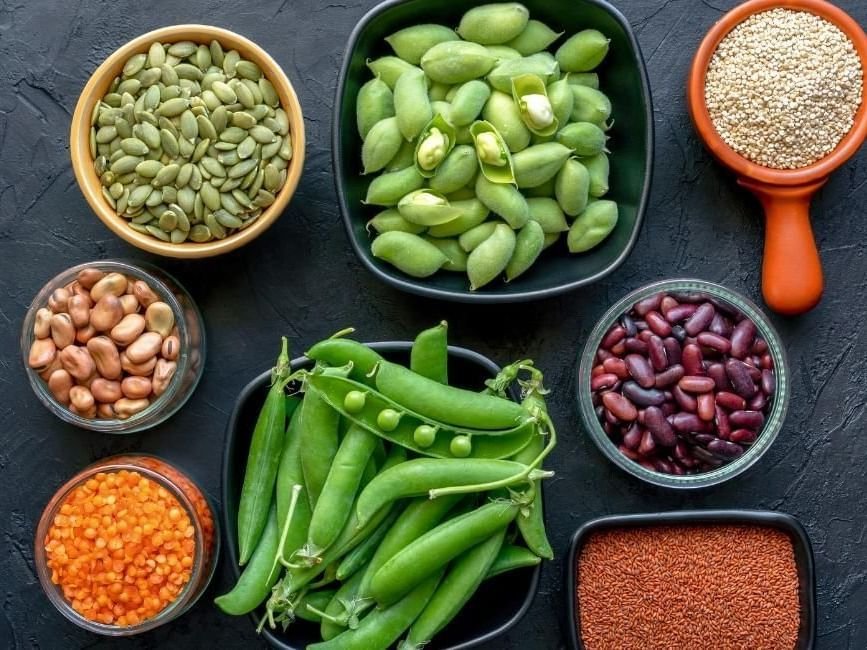
For those following a plant-based diet, lentils are a powerhouse of protein and fiber. They contain complex carbohydrates that help replenish your energy stores while providing the building blocks for muscle repair. Simmer them into soups, stews, or curries, or use them as a hearty base for vegetarian salads to keep your muscles fueled.
Cottage Cheese
Cottage cheese is exceptionally high in casein, a slow-digesting protein that provides a steady release of amino acids to your muscles over several hours. This makes it an excellent choice for a pre-sleep snack, as it supports recovery during the overnight fasting period. Eat it plain, topped with nuts, or blended into pancake batter for extra protein.
Eggs
Eggs contain the highest biological value of protein, meaning your body can utilize them very efficiently. They also contain leucine, a branched-chain amino acid that plays a primary role in triggering muscle protein synthesis. Whether boiled, poached, or scrambled, eggs are a versatile addition to any breakfast or lunch routine.
Why Protein Matters for Recovery
Your body is in a constant state of protein turnover. When you exercise, the rate of muscle protein breakdown increases. To shift your body into a net anabolic state where you’re building more tissue than you’re breaking down, you must provide sufficient dietary protein.
The Dietary Guidelines for Americans suggests that healthy adults should aim for a balanced intake of protein-rich foods to support general muscle maintenance and health. If you’re training at a high intensity, your needs may be on the higher end of the recommended spectrum to facilitate faster tissue repair.
Optimal Protein Timing Strategies
| Timing Window | Primary Goal | Recommended Foods |
|---|---|---|
| Pre-Workout | Energy supply | Oats, banana, egg whites |
| Post-Workout | Muscle repair | Chicken, Greek yogurt, whey |
| Before Sleep | Overnight recovery | Cottage cheese, casein powder |
How Much Protein Do You Need?
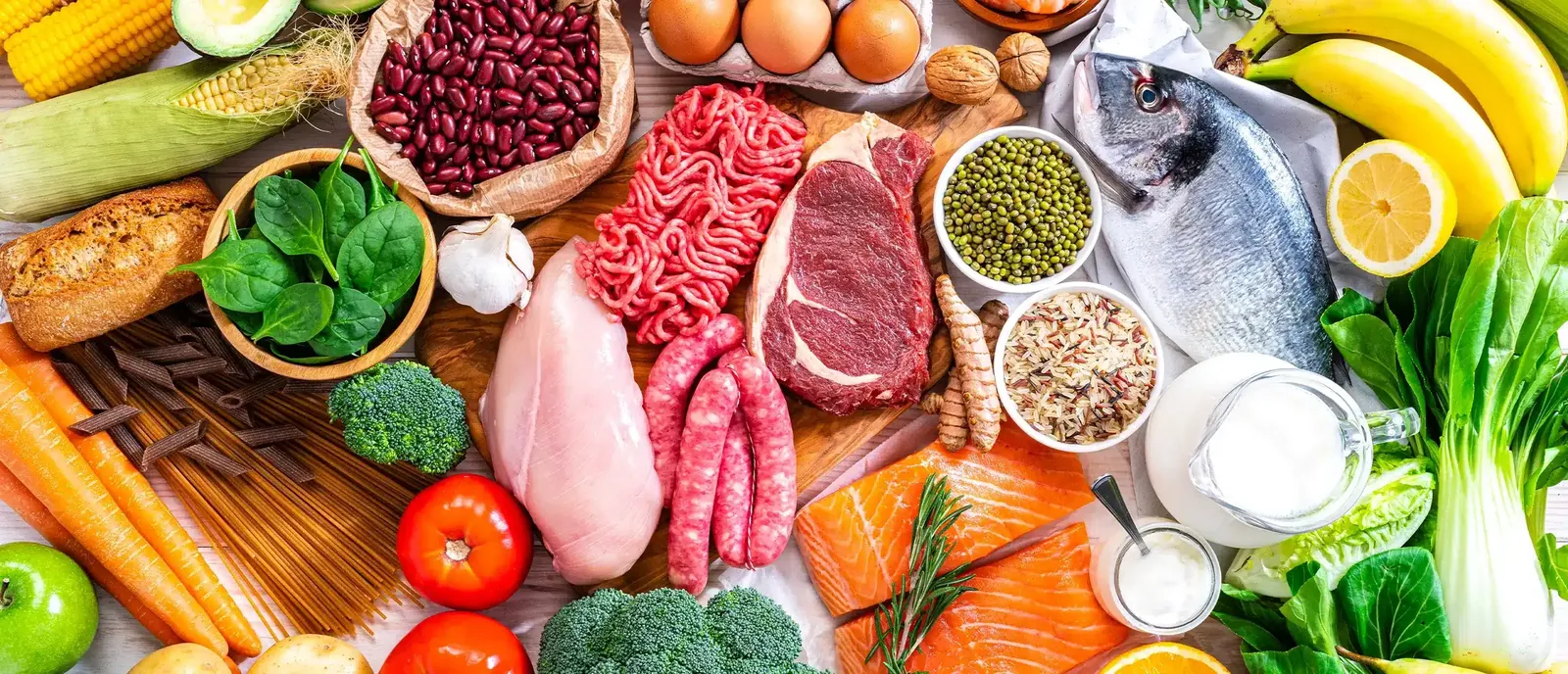
Determining your specific needs depends on your body weight, training intensity, and fitness goals. While the sedentary population needs less, those engaged in regular resistance training generally require more to compensate for the higher rate of muscle protein turnover.
- Endurance athletes: Require moderate increases to prevent muscle wasting during long-duration sessions.
- Strength trainers: Benefit from higher intakes to support hypertrophy and the repair of structural damage.
- Weight management: Higher protein intake can help maintain muscle mass while in a caloric deficit.
Pro Tip: If you find it difficult to hit your protein targets through whole foods alone, consider keeping a food journal for one week to identify gaps in your current nutritional habits.
Essential Macronutrient Balancing
Protein doesn’t work in isolation. To maximize the effectiveness of your recovery efforts, you must pair your protein intake with adequate carbohydrates and fats. Carbohydrates serve as the primary fuel source for high-intensity training, and consuming them after a workout helps restore your muscle glycogen levels. Fats, particularly those rich in omega-3s, support hormonal health and joint function.
Carbohydrate Synergy
Carbohydrates trigger the release of insulin, which can help shuttle amino acids into your muscle cells more effectively. Opt for sources like sweet potatoes, brown rice, or quinoa.
Healthy Fat Inclusion
Don’t fear dietary fat. Avocado, nuts, and olive oil provide the calories necessary for recovery if you’re training at a high volume, which prevents your body from burning protein as a primary fuel source.
Troubleshooting Your Recovery Progress
If you feel consistently sore or fatigued, your nutrition might be the culprit. Start by assessing these common pitfalls:
- Inadequate hydration: Muscle tissue is largely composed of water; dehydration slows down the repair of damaged fibers.
- Low caloric intake: If you aren’t eating enough total calories, your body will break down muscle protein to meet its energy demands.
- Poor sleep quality: Most muscle repair occurs while you sleep; nutrition alone can’t compensate for chronic sleep deprivation.
Warning: Don’t rely solely on protein supplements for your daily intake. Whole foods provide essential micronutrients and phytonutrients that powders and bars typically lack.
Common Nutritional Myths
Many people believe that consuming massive amounts of protein immediately after a workout is mandatory for progress. While timing matters, the total daily intake of protein is far more important for muscle growth and recovery than hitting a specific “anabolic window” within thirty minutes of your last set. Consistency across the entire day provides a more sustainable foundation for long-term health than frantic post-workout supplementation.
Managing Dietary Costs
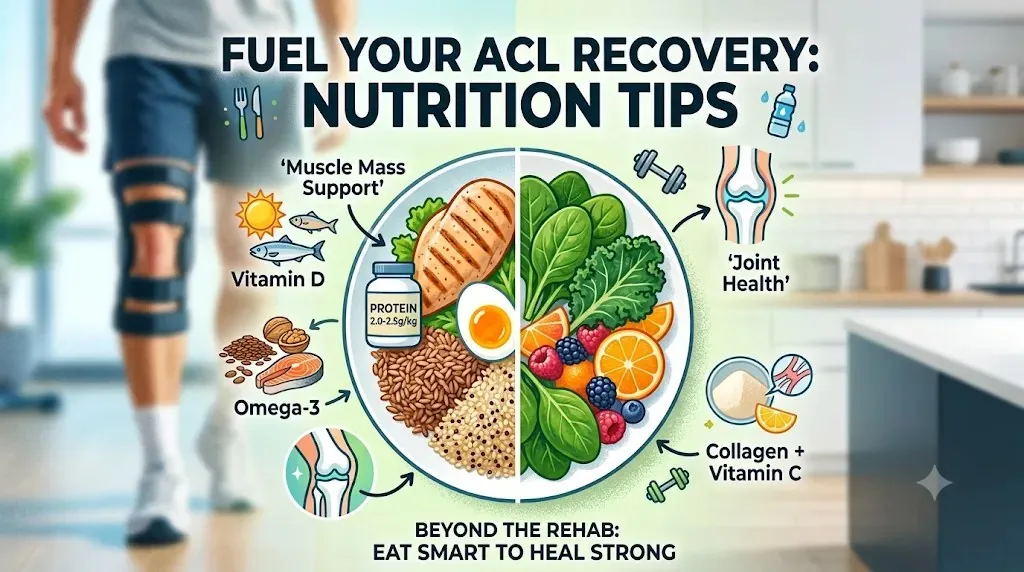
Eating high-protein foods doesn’t have to break your budget. By focusing on whole, unprocessed ingredients, you can significantly reduce your grocery bill while increasing the quality of your nutrition.
| Food Item | Cost Efficiency | Preparation Ease |
|---|---|---|
| Eggs | High | Easy |
| Dried Lentils | Very High | Moderate |
| Canned Tuna | High | Very Easy |
| Chicken Thighs | Moderate | Moderate |
Frequently Asked Questions
How much protein is too much?
For most healthy individuals, consuming up to 2.0 grams of protein per kilogram of body weight is considered safe. Extremely high intakes beyond this range may not provide additional muscle-building benefits and could lead to digestive discomfort. Always focus on whole food sources first and stay well-hydrated to support your kidneys in processing the increased nitrogen load from dietary protein.
Can I get enough protein as a vegan?
Yes, you can easily meet your protein requirements on a vegan diet by combining various plant sources. Lentils, chickpeas, tofu, tempeh, seitan, and quinoa are excellent options. Because plant proteins are sometimes incomplete, ensure you eat a wide variety of foods throughout the day to receive all essential amino acids. Combining grains and legumes is a traditional way to ensure a complete protein profile.
Does protein powder count as a whole food?
Protein powders are considered processed supplements, not whole foods. While they’re useful for convenience, they lack the vitamins, minerals, and fiber found in meat, eggs, or legumes. Use them as a secondary tool to fill gaps in your nutrition, but aim to source the majority of your daily protein from nutrient-dense, unprocessed foods to support better long-term health and satiety.
How do I know if I am recovering well?
Effective recovery is marked by a gradual reduction in muscle soreness, consistent energy levels throughout the day, and improved performance in subsequent workouts. If you notice persistent joint pain, extreme lethargy, or a sudden plateau in your strength gains, you may need to adjust your caloric intake, protein timing, or increase your total rest days to allow your body to catch up.
Should I eat protein before bed?
Consuming a slow-digesting protein source, such as cottage cheese or a casein-based shake, before bed can be beneficial. It provides a steady supply of amino acids throughout the night, which can help prevent muscle protein breakdown during your overnight fast. This strategy is particularly useful for individuals who train early in the morning or are focused on maximizing muscle hypertrophy.
Conclusion
Pro Tip: Listen to your body’s hunger cues after intense sessions; if you feel ravenous, it’s often a sign that your body needs more complex carbohydrates alongside your protein to restore depleted energy levels. Prioritizing these nutrient-dense foods will assist your body in repairing the damage from your workouts, helping you return to your training sessions feeling stronger and more prepared for the next physical challenge.