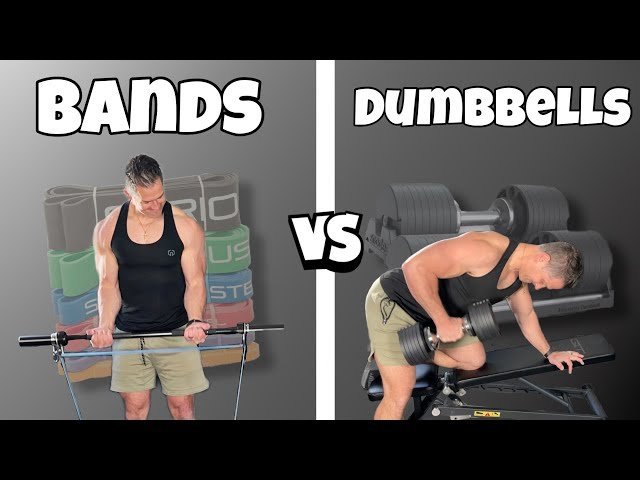
Resistance Bands vs. Dumbbells: Which Is Better for You | Fit Life Boost
Choosing between resistance bands vs. dumbbells is a common dilemma for anyone setting up a home gym or looking to diversify their strength training routine. Both tools offer distinct advantages depending on your specific fitness goals, space constraints, and budget. Whether you’re aiming for explosive power, muscle hypertrophy, or simple rehabilitation, understanding the mechanical differences between these two modalities is essential for building a sustainable training program that keeps you injury-free and motivated.
Key Takeaways
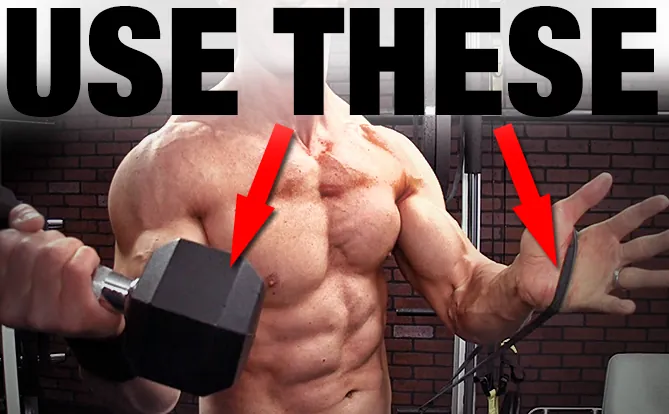
- Dumbbells provide constant, gravity-based weight that’s easy to track for progressive overload.
- Resistance bands offer variable resistance, which increases as the band stretches, challenging muscles differently.
- Dumbbells are superior for heavy, compound movements like overhead presses and bench presses.
- Resistance bands are highly portable, making them ideal for travel or small living spaces.
- Combining both tools often yields the most balanced results for long-term strength and mobility.
Comparing Resistance Profiles
The primary difference lies in the physics of resistance. Dumbbells rely on gravity, meaning the weight remains constant throughout the entire range of motion. Conversely, resistance bands utilize elastic tension. The further you stretch the band, the more force your muscles must generate to overcome the tension. This creates a “peak contraction” at the end of a movement, which can be highly effective for isolating specific muscle fibers.
| Feature | Dumbbells | Resistance Bands |
|---|---|---|
| Resistance Type | Constant (Gravity) | Variable (Elastic) |
| Portability | Low | High |
| Joint Impact | Moderate | Low |
| Tracking Progress | Easy (Weight Plates) | Difficult (Stretch Length) |
Benefits of Using Dumbbells
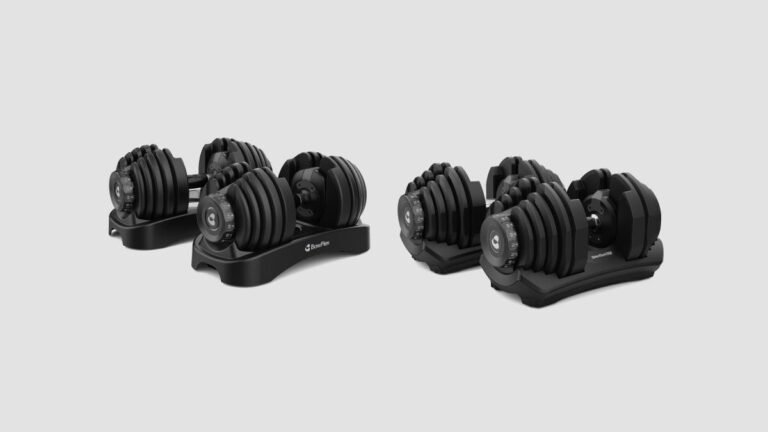
Dumbbells are the gold standard for progressive overload. Because you can precisely measure the weight in pounds or kilograms, tracking your strength gains over time is straightforward. They’re also excellent for identifying and correcting muscle imbalances, as each limb must work independently to stabilize the weight.
- Compound lifts: Effective for heavy squats, lunges, and chest presses.
- Durability: Iron or rubber-coated dumbbells last for decades.
- Stability: The fixed weight helps build stabilizing muscles effectively.
Advantages of Resistance Bands
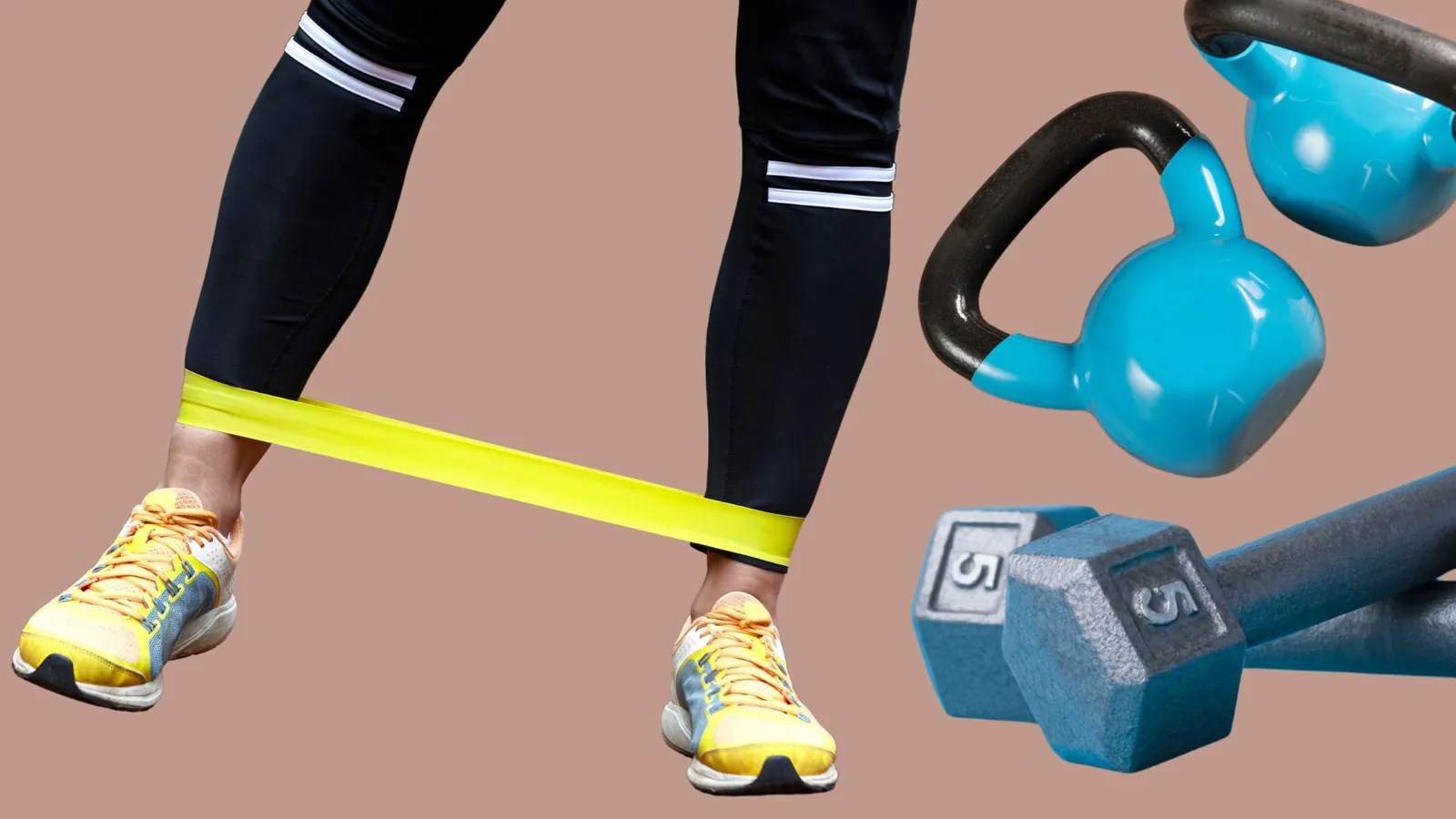
Resistance bands are uniquely suited for joint health and accessory movements. Because they don’t rely on gravity, you can perform exercises from virtually any angle, including horizontal pulling or diagonal rotations that are difficult to replicate with free weights.
- Versatility: Can be used for mobility, warm-ups, and intense strength sets.
- Safety: Lower risk of dropping a weight on your foot or body.
- Storage: They can be folded and stored in a small drawer.
Choosing Between Resistance Bands and Dumbbells
When deciding which to prioritize, evaluate your living environment and your primary training objective. If you have a dedicated space in a garage or basement, dumbbells provide a more traditional weight-room feel. If you live in an apartment or travel frequently, bands are the most practical solution. You might also consider a hybrid approach where you use dumbbells for your heavy “big three” lifts and bands for high-rep finishing sets to maximize metabolic stress.
Safety Tips for Training
Warning: Always inspect your resistance bands for small tears or nicks before every session, as a snapped band can cause significant injury.
Pro Tip: If you choose dumbbells, prioritize adjustable sets to save space and money, as they allow you to change weights without needing an entire rack.
Troubleshooting Common Issues
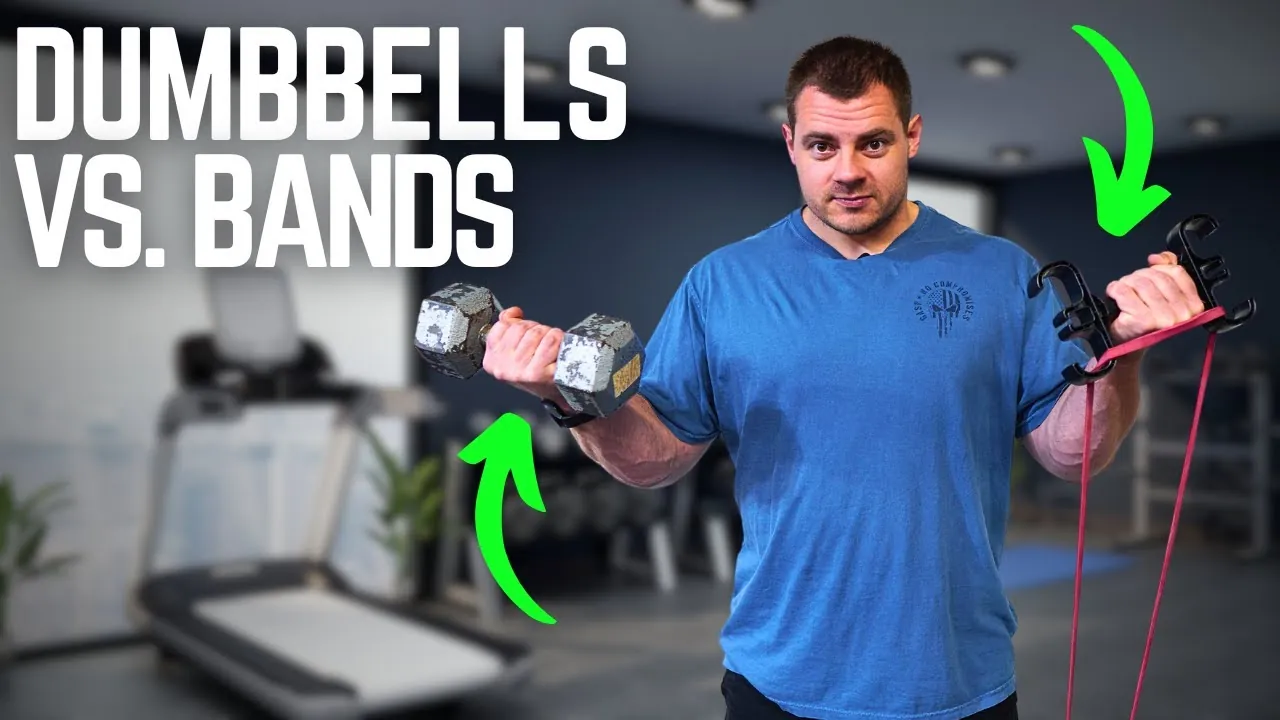
If you feel joint pain while using dumbbells, your form may be breaking down under the constant load. Try switching to bands for a few sessions to focus on the mind-muscle connection. If you find bands aren’t providing enough challenge, move to a higher tension grade or shorten the band length by wrapping it around your hands to increase the initial tension.
Frequently Asked Questions
Can I build muscle with bands?
Yes, you can build significant muscle with resistance bands. By focusing on time under tension and performing repetitions until you reach near-failure, you create the metabolic stress required for hypertrophy. While bands may not be as efficient as heavy barbells for maximal powerlifting, they’re highly effective for general fitness and muscle toning.
Which is better for beginners?
Both are excellent, but many beginners prefer dumbbells because the weight is predictable and easier to track. Bands can be slightly more confusing due to the varying levels of tension. However, if you’re recovering from an injury, bands are often recommended by physical therapists because they’re easier on the joints and offer a smoother resistance curve.
Do I need a full set of both?
You don’t need a full set of either to start. A single pair of adjustable dumbbells or a basic three-pack of resistance bands (light, medium, heavy) is sufficient for a full-body workout. Start small, master your form, and only add more equipment if you reach a plateau that can’t be overcome by adjusting your tempo or rest periods.
Are bands safer than dumbbells?
Generally, yes. Because bands lack the mass of heavy iron, there’s no risk of crushing a toe or damaging your floor if you lose your grip. Dumbbells require more coordination and balance, which increases the risk of dropping them if your muscles fatigue unexpectedly. Always prioritize controlled movements regardless of the equipment chosen to minimize the risk of strain.
How do I track progress with bands?
Tracking progress with bands is different than with weight plates. Instead of recording pounds, record the number of repetitions, the number of sets, and the perceived effort of the set. You can also track the specific color or thickness of the band used. If you can perform more repetitions with the same band, you’re getting stronger.
Conclusion
Starting your fitness journey is a significant step toward improving your overall health and well-being. Whether you select the consistent load of dumbbells or the versatile tension of bands, the most important factor is consistency. Begin by performing three full-body sessions per week, focusing on perfect form, and gradually increase your intensity as your strength improves over time.