How to Choose a Treadmill for Your Home: A Practical Guide | Fit Life Boost
Choosing the right treadmill for your home requires balancing your fitness goals, available floor space, and your budget to ensure the machine remains a long-term asset rather than a glorified laundry rack. By evaluating the motor power, belt dimensions, and cushioning systems, you can narrow down the vast market of equipment to find a model that fits your specific needs. This process involves looking past flashy screens and marketing jargon to focus on the mechanical integrity of the frame and the quality of the drive system.
Key Takeaways
- Prioritize a motor with at least 2.5 continuous horsepower (CHP) for regular running to ensure longevity and consistent performance.
- Measure your available floor space carefully, including the clearance needed behind the machine for safety and emergency dismounts.
- Select a running surface length of at least 55 inches if you’re over six feet tall to accommodate a natural stride.
- Test the console interface in person if possible to ensure the controls are intuitive and responsive during high-intensity exercise.
- Check for a solid warranty, specifically looking for lifetime coverage on the frame and motor, which indicates manufacturer confidence.
How to Choose a Treadmill for Your Home
Selecting a treadmill begins with defining your primary use case, as a machine built for casual walking requires significantly different specifications than one designed for daily marathon training. If you plan to walk exclusively, you can prioritize space-saving designs and lower motor output. Conversely, runners need robust frames to withstand the repeated impact of high-speed foot strikes. Always prioritize mechanical stability over high-tech software features, as a sturdy, reliable frame is the foundation of a safe workout.
Determining Your Primary Fitness Goal
| User Profile | Recommended Motor | Belt Length | Key Feature |
|---|---|---|---|
| Casual Walker | 1.5 – 2.0 CHP | 45-50 inches | Compact size |
| Daily Jogger | 2.5 – 3.0 CHP | 50-55 inches | Moderate cushioning |
| Serious Runner | 3.0+ CHP | 55-60+ inches | Heavy-duty frame |
Assessing Essential Technical Specifications
The motor is the heart of your machine, and its rating is often the biggest indicator of quality. Continuous horsepower (CHP) measures the power the motor can sustain over long periods, while peak duty horsepower only measures the maximum output for a brief moment.
Avoid machines that list only peak power, as they often struggle under the sustained load of a human body. Additionally, look for a high-quality deck that offers adequate shock absorption, as this can help reduce the strain on your joints during long training sessions.
Pro Tip: Look for treadmills that feature a simple “quick-start” button, as complex menu navigation can be frustrating when you’re trying to begin your workout quickly.
Space Considerations and Footprint
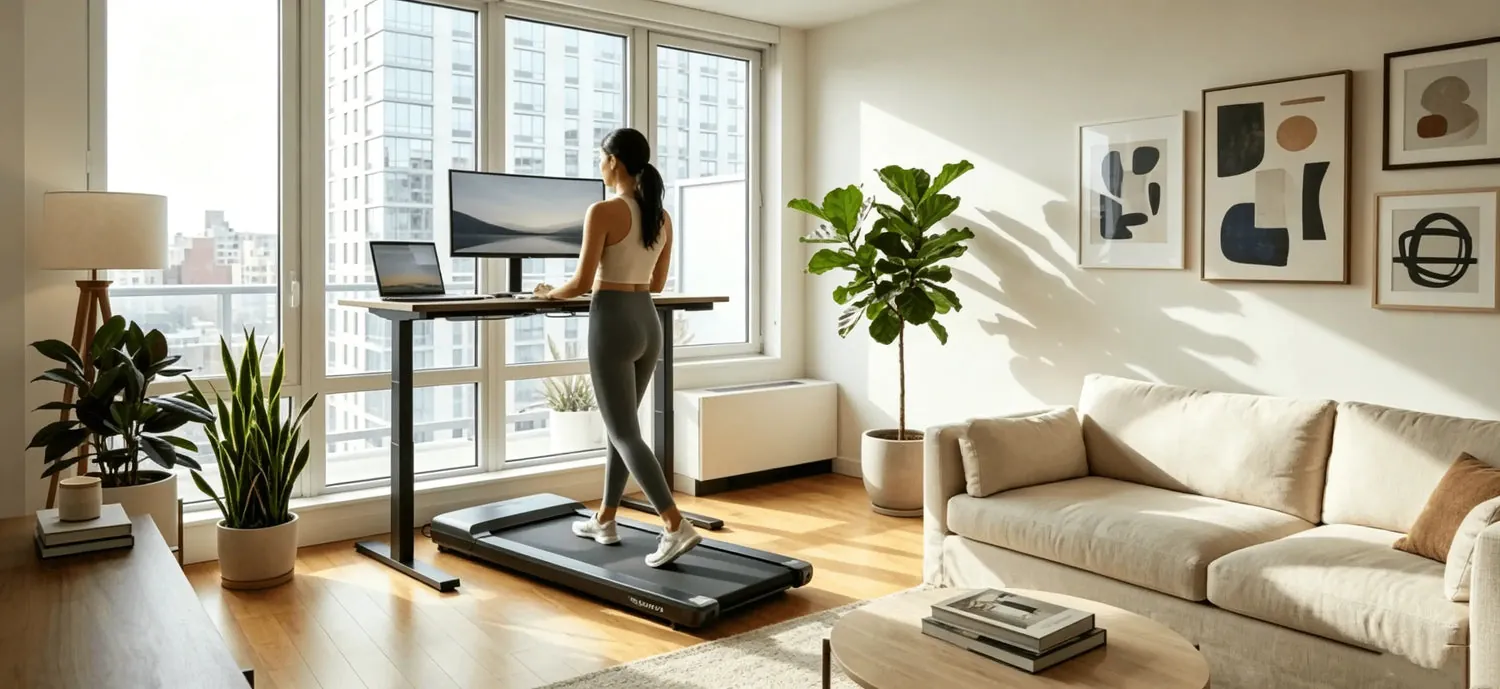
Before purchasing, measure your dedicated workout area, accounting for the machine’s footprint and the necessary safety zone. Most manufacturers recommend at least 6 to 8 feet of clearance behind the treadmill to allow for a safe exit in the event of an accidental trip.
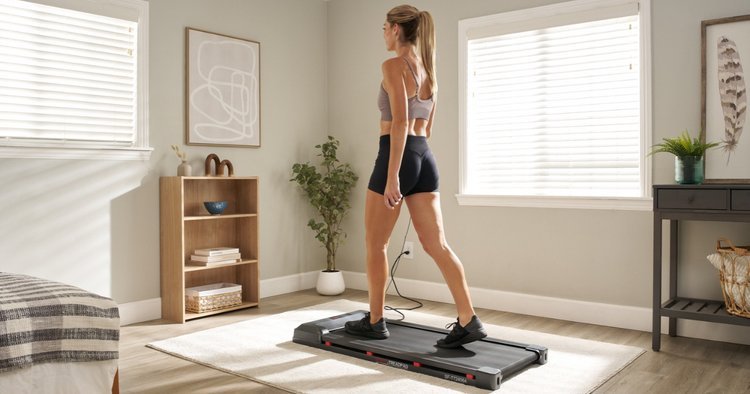
If you have limited space, consider a folding treadmill design that allows you to lift the deck when not in use. Ensure that your floor is level, as an uneven surface can cause the machine to shift or rattle during operation.
Safety and Stability Requirements
- Place the machine on a dedicated rubber equipment mat to protect your flooring and reduce noise transfer.
- Ensure the power cord isn’t a trip hazard and remains away from high-traffic areas in your home.
- Verify the weight capacity of the unit, choosing a model that supports at least 50 pounds more than your current body weight.
- Always keep the safety key accessible, as it’s designed to stop the belt instantly if you lose your balance.
Understanding Warranty and Service Terms
A treadmill is a significant investment, and the warranty provided by the manufacturer is often the best indicator of expected lifespan. A standard high-quality warranty typically covers the frame and motor for a lifetime, with electronics and parts covered for two to five years.
Labor coverage is often limited to one or two years. Read the fine print carefully, as some warranties are voided if the machine is used in a commercial setting or if it isn’t maintained according to the Consumer Product Safety Commission guidelines for home exercise equipment.
Warning: Never attempt to repair the motor or internal electronics yourself if the machine is under warranty, as opening the motor casing may void your coverage immediately.
Evaluating Console and Smart Features
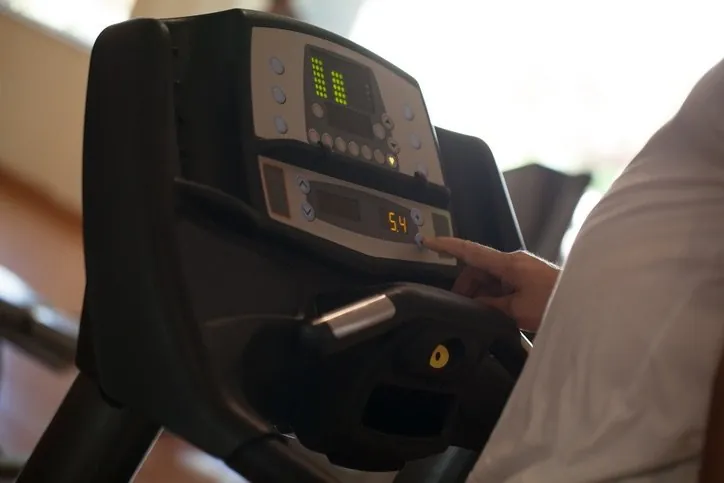
Modern treadmills often feature integrated touchscreens and subscription-based workout platforms. While these can provide motivation, they should never be the primary factor in your decision. A beautiful screen can’t compensate for a motor that overheats or a belt that slips.
If you prefer streaming classes, ensure the console is compatible with your preferred service. If you prefer a minimalist approach, a basic LCD screen that displays time, distance, and heart rate is often more durable and less prone to software glitches.
Maintenance for Long-Term Performance
Regular maintenance is essential to prevent premature wear and keep your machine running quietly. Most treadmills require the belt to be lubricated periodically to reduce friction between the belt and the deck.
If the belt starts to slip or feels jerky, it may need to be tightened according to the manufacturer’s instructions. Keep the area around the motor intake free of dust and pet hair, as these can clog the cooling vents and cause the motor to overheat during intense sessions.
Basic Maintenance Checklist
| Task | Frequency | Purpose |
|---|---|---|
| Wipe down deck | After every use | Remove sweat and debris |
| Vacuum beneath unit | Weekly | Prevent motor dust buildup |
| Lubricate walking belt | Every 3-6 months | Reduce friction and wear |
| Check belt tension | Monthly | Ensure smooth operation |
Budgeting for Your Home Gym
When planning your purchase, remember to factor in potential hidden costs beyond the initial sticker price. These may include delivery fees, professional assembly services, and recurring monthly subscriptions for workout content.
Investing slightly more upfront for a commercial-grade motor can save you money in the long run by avoiding costly repairs or the need for a full replacement after a few years of consistent use. Check if your chosen model includes a heart rate monitor, as this is a valuable tool for tracking exertion levels.
Frequently Asked Questions
Can I place a treadmill on carpet?
Yes, you can place a treadmill on low-pile carpet, but it’s highly recommended to use a thick equipment mat underneath. A mat prevents carpet fibers from being sucked into the motor intake and provides a more stable, level surface for the machine. High-pile or shag carpet should be avoided as it can cause the treadmill to wobble significantly during use.
How often should I lubricate the belt?
You should typically lubricate the underside of your treadmill belt every three to six months, depending on how frequently you use the machine. If the belt feels dry or you notice friction during your workout, it’s time for maintenance. Always consult your specific user manual to determine the correct type of silicone-based lubricant required for your model.
Are manual treadmills worth it?
Manual treadmills—those without a motor—can be excellent for high-intensity interval training, as they rely on your own movement to power the belt. They’re generally more compact, quieter, and require less maintenance than electric models. However, they can be difficult for steady-state, long-distance walking or running, and they often lack the incline options found on motorized versions.
What is the purpose of the safety key?
The safety key is a critical feature that attaches to your clothing via a cord. If you stumble or fall, the cord pulls the key from the console, which instantly cuts power to the motor and stops the belt. Never operate your treadmill without this key attached, as it’s your primary defense against injury during a loss of balance.
Is a heavy treadmill better?
Generally, yes. A heavier machine usually indicates a sturdier steel frame and higher-quality components, which translate to better stability and less vibration during high-speed running. While heavier units are harder to move, they’re far less likely to rock or shift under your weight, providing a much safer and more professional exercise experience in your own home.
Conclusion
Choosing the right machine is about identifying the balance between your physical requirements and your living environment. Once you have measured your space and determined your motor needs, look for models that offer the best balance of frame durability and warranty coverage. Your next step is to visit a local fitness equipment retailer to test a few models in person to gauge their stability.