How to Create a Balanced Diet for Beginners: A Simple Guide
Creating a balanced diet for beginners involves prioritizing whole, nutrient-dense foods while ensuring your intake aligns with your body’s unique energy requirements. Rather than focusing on restrictive rules or eliminating entire food groups, a sustainable approach centers on variety, portion control, and consistency. By integrating a mix of macronutrients—proteins, carbohydrates, and healthy fats—alongside essential micronutrients, you can fuel your daily activities and support long-term health goals without the stress of perfectionism.
Key Takeaways
- Focus on filling half your plate with colorful vegetables and fruits at every meal.
- Prioritize lean protein sources to support muscle maintenance and satiety throughout the day.
- Choose whole grains over refined carbohydrates to ensure steady blood sugar levels.
- Incorporate healthy fats in moderate amounts to aid nutrient absorption and brain function.
- Track your progress by how you feel rather than relying solely on a scale.
Understanding Macronutrients and Micronutrients
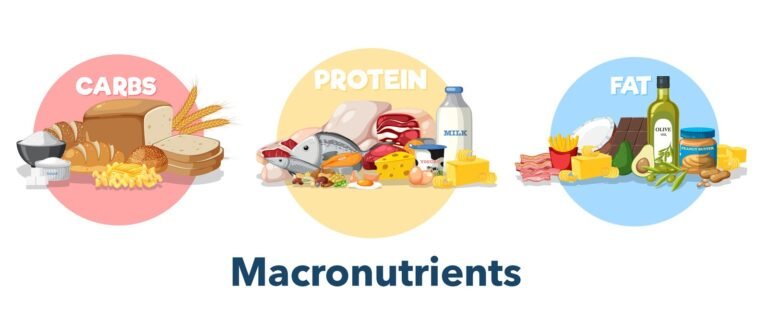
To build a foundation, you must understand what your body needs to function. Macronutrients are the primary fuel sources, while micronutrients consist of the vitamins and minerals that allow your metabolic processes to work efficiently. Balancing these ensures you have the energy to move and the components to repair your body.
| Nutrient Type | Primary Function | Best Food Sources |
|---|---|---|
| Proteins | Tissue repair and muscle growth | Chicken, beans, lentils, tofu |
| Carbohydrates | Quick energy for brain and muscles | Oats, brown rice, quinoa, sweet potatoes |
| Healthy Fats | Hormone health and nutrient absorption | Avocado, olive oil, walnuts, chia seeds |
| Micronutrients | Immune function and metabolic support | Spinach, bell peppers, berries, carrots |
Steps to Create a Balanced Diet for Beginners
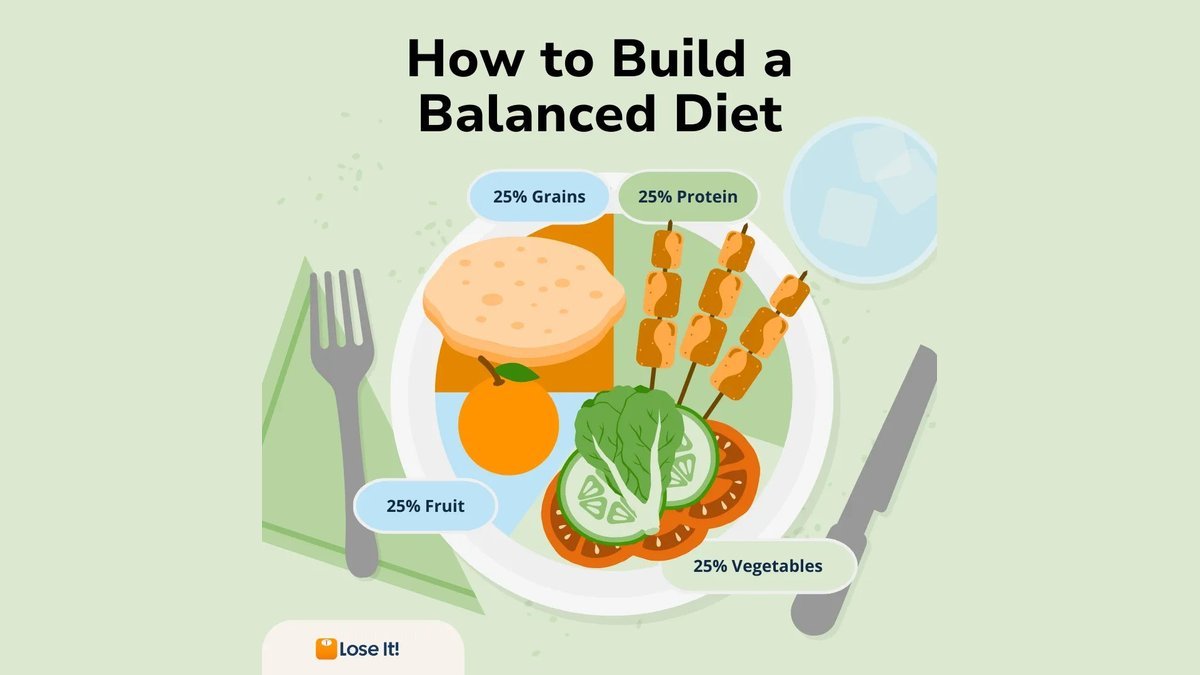
The simplest way to create a balanced diet is to visualize your plate. By dividing it into segments, you ensure a diverse intake of nutrients without needing complex math. Start by dedicating half your plate to non-starchy vegetables like broccoli, spinach, or kale. These provide high fiber and low calories. The remaining half should be split between a high-quality protein source and a complex carbohydrate.
Prioritizing Protein
Protein is essential for keeping you full and preserving lean mass. Aim to include at least one serving of protein with every meal. For vegetarians, this could mean chickpeas or black beans; for meat eaters, it might be grilled fish or lean turkey.
Selecting Complex Carbohydrates
Whole grains and starchy vegetables offer sustained energy. Unlike refined white bread or sugary cereals, these foods contain fiber, which slows down digestion and prevents energy crashes.
Why Hydration Matters
Water is an often overlooked component of a healthy lifestyle. Your body relies on fluids for digestion, temperature regulation, and joint lubrication. While individual needs vary based on climate and activity levels, the U.S. National Academies of Sciences, Engineering, and Medicine provides general guidelines for total daily water intake. Aim to prioritize water over sugary sodas or excessive caffeine to stay properly hydrated throughout your busy day.
Managing Portion Sizes
Even healthy foods can lead to weight gain if consumed in excess. For beginners, using your hand as a measurement tool is a practical habit. A palm-sized portion of protein, a fist-sized portion of vegetables, and a thumb-sized portion of healthy fats provide a rough guide for a balanced meal.
Pro Tip: Use smaller plates to help manage your visual perception of food volume, which can prevent overeating when you’re distracted during dinner.
Planning Your Weekly Meals
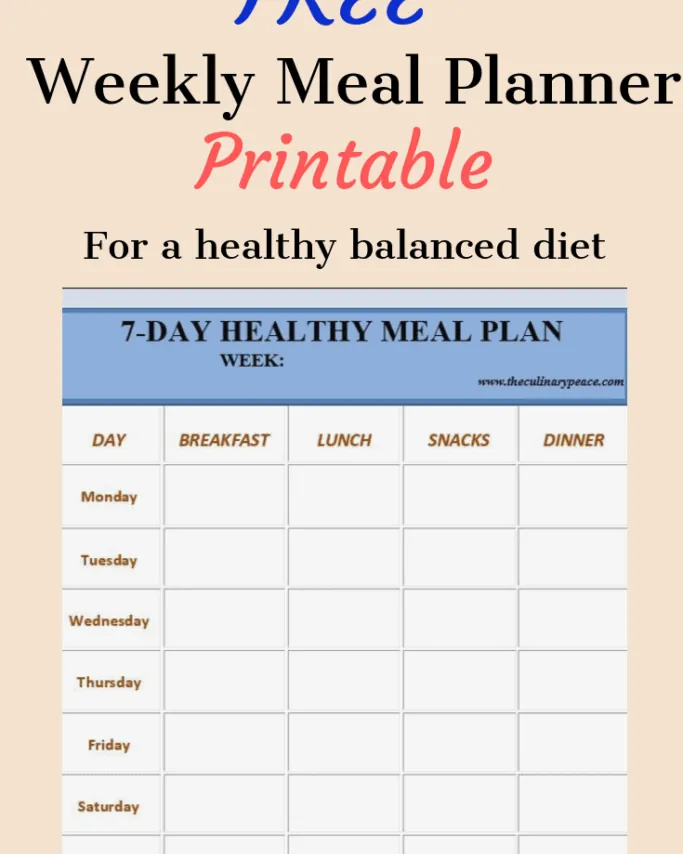
Consistency is easier when you have a plan. Spend time on Sunday mapping out your meals for the week. This reduces the likelihood of choosing processed fast food when you’re tired.
- List three breakfast options you enjoy.
- Prepare a large batch of grains or legumes.
- Wash and chop vegetables immediately after shopping.
- Keep healthy snacks like apples or almonds accessible.
Dealing With Common Obstacles
New habits are rarely perfect. You’ll likely encounter days where you fall off track, and that’s a normal part of the process. Instead of viewing a single meal as a failure, treat it as a data point. Ask yourself what led to the choice and how you can adjust your environment for the next time.
Addressing Cravings
Cravings often signal that you’re either not eating enough during the day or that you’re lacking specific nutrients. If you crave sweets constantly, ensure your meals contain enough fiber-rich carbohydrates to keep your blood sugar stable.
Managing Social Situations
Dining out or attending parties can feel intimidating. Focus on the social aspect rather than the food. When you do eat, practice mindful eating by chewing slowly and enjoying the flavors, which helps your brain register satiety.
Shopping for Your Diet
Grocery stores are designed to keep you in the aisles with processed foods. To succeed, stay on the perimeter where fresh produce, meats, and dairy are located. Avoid buying items in bulk if you know they trigger overeating for you.
| Shopping Category | Items to Prioritize | Items to Limit |
|---|---|---|
| Produce | Leafy greens, berries, citrus | Pre-packaged fruit snacks |
| Proteins | Eggs, Greek yogurt, lean beef | Processed deli meats, sausages |
| Pantry Staples | Quinoa, canned beans, olive oil | Sugary cereals, white flour |
Is Counting Calories Necessary?
For many beginners, tracking every calorie can lead to burnout or an unhealthy obsession with numbers. Instead of rigid counting, focus on nutrient density. If your meals are composed of whole foods, your body is better at signaling hunger and fullness cues than it’s when consuming highly processed items.
Warning: If you have a history of disordered eating, please consult with a registered dietitian or a medical professional before starting any restrictive dietary tracking method.
Frequently Asked Questions
How do I start without feeling overwhelmed?
Start by changing just one meal per day. For instance, swap your sugary cereal for oatmeal with berries. Once that feels like a normal part of your routine, move on to adjusting your lunch. Small, incremental changes are much easier to sustain than trying to overhaul your entire pantry and lifestyle overnight.
Can I still eat foods I love?
Yes, a balanced diet isn’t about total restriction. The 80/20 rule is a helpful strategy: aim to eat nutrient-dense whole foods 80 percent of the time, and allow yourself flexibility for the remaining 20 percent. This prevents feelings of deprivation and makes your new eating habits feel like a sustainable lifestyle choice rather than a temporary diet.
What if I am on a budget?
Eating well doesn’t have to be expensive. Frozen vegetables are just as nutritious as fresh ones and often cost less. Buying staples like brown rice, dried lentils, and oats in bulk can save significant money. Focus on seasonal produce and avoid expensive specialty health foods that provide little extra nutritional value compared to basic whole foods.
How do I know if the diet is working?
Pay attention to internal signals rather than just the scale. Do you have more stable energy levels throughout the afternoon? Is your digestion regular? Are you sleeping better? These markers are often better indicators of a healthy, balanced diet than a single number on a scale, which can fluctuate due to hydration and other factors.
Should I take supplements?
Most people can get all necessary nutrients from a well-planned, varied diet. However, if you have specific dietary restrictions, such as veganism or a medical condition, you may require certain vitamins like B12 or iron. Always consult with your primary care provider before starting any new supplement regimen to ensure it’s safe and appropriate for your specific health needs.
Conclusion
Building a balanced diet is a journey of discovery rather than a destination. Begin by adding more whole, unprocessed foods to your plate and listening to how your body responds to the fuel you provide. Consistency will eventually turn these conscious choices into effortless habits, leading to improved energy and long-term wellness. Start your next grocery trip by choosing one new vegetable to try this week.