How to Improve Your Stamina Naturally: Proven Daily Habits
Improving your stamina naturally involves a multifaceted approach that combines consistent physical activity, strategic nutritional choices, and intentional recovery practices to enhance your body’s efficiency. Stamina, often referred to as endurance, represents your capacity to sustain physical or mental effort over an extended period. By optimizing how your heart, lungs, and muscles utilize energy, you can gradually increase your baseline performance without relying on synthetic stimulants or unsustainable intensity levels.
Key Takeaways

- Focus on progressive overload to safely build cardiovascular and muscular endurance over time.
- Prioritize complex carbohydrates and lean proteins to sustain energy levels during prolonged physical exertion.
- Incorporate active recovery days to prevent burnout and facilitate essential physiological repair.
- Maintain consistent hydration to support optimal blood volume and thermal regulation during exercise.
- Monitor your resting heart rate as a reliable indicator of improving aerobic capacity.
Understanding How to Improve Your Stamina Naturally
Building stamina isn’t about pushing to the point of exhaustion every single day; it’s about building a foundation of aerobic capacity. When you challenge your body consistently, your cardiovascular system becomes more efficient at delivering oxygenated blood to working muscles. This process, known as physiological adaptation, allows you to maintain higher intensities for longer durations. Natural improvement requires patience, as biological tissues like tendons and ligaments adapt more slowly than your motivation levels might suggest.
The Role of Cardiovascular Exercise
Consistent aerobic training is the cornerstone of endurance. Activities that elevate your heart rate for sustained periods force your body to become more adept at processing oxygen. To see real progress, you should aim for a combination of steady-state training and interval work.
| Activity Type | Intensity Level | Primary Benefit |
|---|---|---|
| Brisk Walking | Low to Moderate | Improves base aerobic endurance |
| Steady-State Running | Moderate | Increases mitochondrial density |
| High-Intensity Intervals | High | Enhances anaerobic threshold |
| Swimming | Varied | Builds full-body muscular endurance |
Incorporating Progressive Overload
The principle of progressive overload is essential for long-term gains. This means gradually increasing the difficulty of your workouts by adjusting duration, frequency, or intensity. Never increase all three variables at once, as this drastically raises your risk of injury. A safe rule of thumb is to increase your total weekly volume by no more than ten percent to allow your musculoskeletal system to keep pace with your cardiovascular improvements.
Nutritional Strategies for Sustained Energy
What you put into your body directly dictates the quality of your output. Your muscles rely on glycogen stores for energy during intense sessions, while fat oxidation becomes more prominent during longer, lower-intensity efforts.
- Complex Carbohydrates: Oats, brown rice, and quinoa provide a steady release of glucose.
- Lean Proteins: Chicken, tofu, and legumes are vital for muscle tissue repair.
- Healthy Fats: Avocados, nuts, and olive oil support long-duration metabolic function.
- Electrolytes: Sodium, potassium, and magnesium prevent cramping during heavy perspiration.
Pro Tip: Consuming a small, carbohydrate-rich snack about thirty minutes before training can provide the immediate fuel needed to push through a challenging session without causing digestive distress.
The Importance of Hydration Levels
Water is the medium through which all metabolic processes occur. Even mild dehydration can lead to a significant drop in physical performance and mental focus. The Physical Activity Guidelines for Americans suggest that staying adequately hydrated is critical for maintaining the intensity and duration of physical activity, as your body loses fluids through sweat to regulate core temperature. Aim to drink water throughout the day rather than chugging large amounts immediately before starting your workout.
Why Rest and Recovery Matter
Many people mistakenly believe that stamina is built during the workout itself. In reality, the workout is merely the stimulus; the growth happens during your rest periods. Without sufficient recovery, your body remains in a state of chronic inflammation, which eventually leads to stagnation or injury.
Signs You Need More Recovery
- Persistent soreness that lasts more than 48 hours.
- A noticeable decline in performance during routine workouts.
- Difficulty falling asleep or feeling restless at night.
- A sudden, unexplained increase in your resting heart rate.
Incorporating Strength and Resistance Training
Resistance training is often overlooked by endurance athletes, yet it’s vital for natural stamina. By increasing your muscular endurance, you ensure that your muscles don’t fatigue prematurely. Stronger muscles require less effort to perform the same task, which in turn reduces the oxygen demand on your cardiovascular system. Focus on compound movements like squats, lunges, and push-ups to build functional strength that translates directly into better movement economy.
| Training Focus | Recommended Frequency | Example Exercises |
|---|---|---|
| Core Stability | 3 times per week | Planks, dead bugs, bird-dogs |
| Lower Body Power | 2 times per week | Goblet squats, reverse lunges |
| Upper Body Support | 2 times per week | Rows, push-ups, overhead press |
Sleep Hygiene and Stamina Growth
Sleep is the ultimate performance enhancer. During deep sleep cycles, your body releases human growth hormone, which is responsible for cellular repair and muscle tissue regeneration. Poor sleep quality disrupts your hormonal balance, specifically increasing cortisol, which can lead to muscle breakdown and fatigue. Aim for seven to nine hours of quality sleep nightly to ensure your body has the window it needs to recover from the physical stresses of your training.
Are Supplements Necessary for Performance?
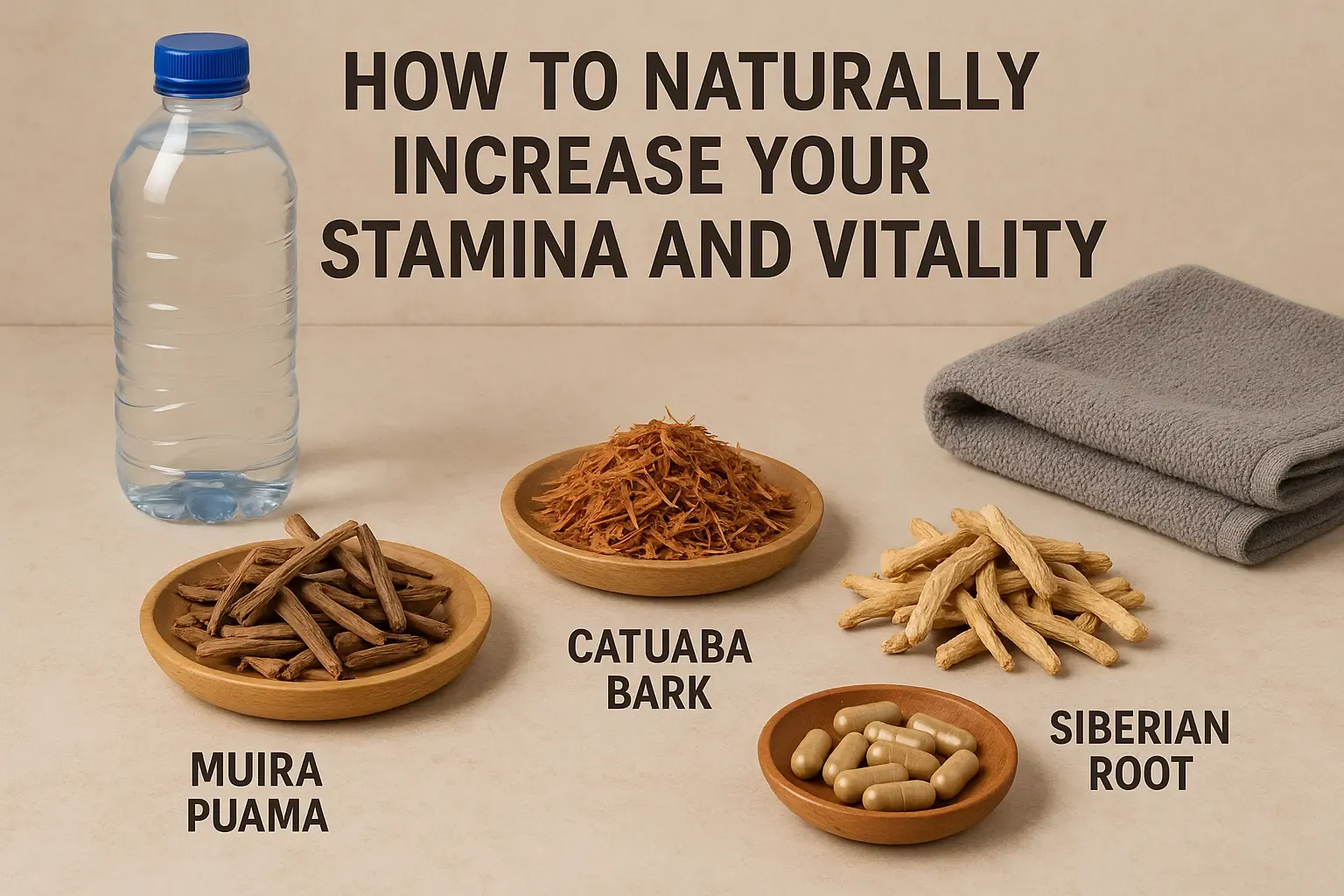
While many products claim to boost stamina, most of these benefits are marginal compared to the impact of diet and training. Natural energy sources like caffeine, found in coffee or green tea, can provide a temporary boost in perceived exertion, but they don’t replace the need for a solid aerobic foundation. Always prioritize whole foods over processed supplements. If you’re considering any specific dietary aid, consult with a healthcare professional to ensure it’s safe and appropriate for your health history.
Troubleshooting Common Endurance Plateaus
If you find that your progress has stalled, it may be time to evaluate your routine. Often, the body adapts to a specific stimulus, and you must introduce a new challenge to spark further growth.
- Change the Terrain: If you run on flat roads, try incorporating hills to challenge different muscle groups.
- Modify Intensity: If your workouts are always at the same pace, try adding “fartlek” training, which mixes fast and slow intervals.
- Cross-Train: Switch to a different activity, such as cycling or rowing, to maintain cardiovascular load while reducing the impact on your joints.
Warning: If you experience sharp, localized pain, dizziness, or shortness of breath that doesn’t subside with rest, stop your activity immediately and seek medical evaluation to rule out underlying conditions.
Frequently Asked Questions
How long does it take to see improvements?
Most individuals begin to notice improvements in their cardiovascular stamina within four to six weeks of consistent training. However, significant physiological changes, such as increased mitochondrial density and improved capillary efficiency, typically take three to six months to fully manifest. Consistency is far more important than intensity during these initial phases, so focus on showing up regularly rather than pushing for maximum effort every time.
Can I improve stamina without running?
Yes, you can build significant stamina through any activity that sustains an elevated heart rate. Swimming, cycling, rowing, brisk walking, and high-intensity interval training are all excellent alternatives to running. The goal is to engage large muscle groups in a rhythmic, continuous manner, which forces your heart and lungs to work harder, thereby increasing your overall aerobic capacity regardless of the specific movement.
How does stress affect my endurance?
High levels of chronic stress keep your body in a “fight or flight” state, which elevates cortisol levels. This hormonal environment is catabolic, meaning it promotes muscle breakdown rather than repair. High stress also interferes with sleep quality, preventing the restorative processes necessary for building stamina. Managing stress through mindfulness, breathing exercises, or simply reducing your overall load can significantly improve your body’s ability to recover and perform.
What is the best time to exercise?
The best time to exercise is whenever you can be most consistent. While some research suggests that body temperature is slightly higher in the late afternoon, which might lead to better performance, the differences are minimal for the average person. The most important factor is scheduling your workouts at a time that fits your lifestyle, ensuring that you can commit to the routine long-term without frequent interruptions.
Should I track my heart rate?
Tracking your heart rate is an excellent way to objectively measure your progress. By monitoring your resting heart rate over time, you can see if your cardiovascular system is becoming more efficient. Additionally, using heart rate zones during exercise helps you ensure you’re training at the correct intensity to target specific energy systems, preventing you from training too hard or too easily for your current fitness goals.
Conclusion
Building stamina is a lifelong journey of small, consistent actions rather than a singular event. By integrating smart physical training, balanced nutrition, and high-quality recovery into your daily life, you create an environment where your body naturally thrives. Start by identifying one small change you can make this week—such as adding a ten-minute walk to your morning—and build from there.