How Many Days a Week Should You Exercise? The Ideal Frequency | Fit Life Boost
For most healthy adults, the ideal frequency for physical activity is three to five days per week, though the specific number depends heavily on your personal fitness goals, current conditioning, and the intensity of your chosen movements. Consistency is far more influential than hitting a specific numerical target every single week. By balancing moderate aerobic activity with strength training, you can optimize your health outcomes without risking burnout or injury. Whether you’re aiming for weight management, muscle growth, or improved cardiovascular health, the key is to build a sustainable habit that fits into your existing lifestyle rather than forcing a rigid schedule that you can’t maintain over the long term.
Key Takeaways
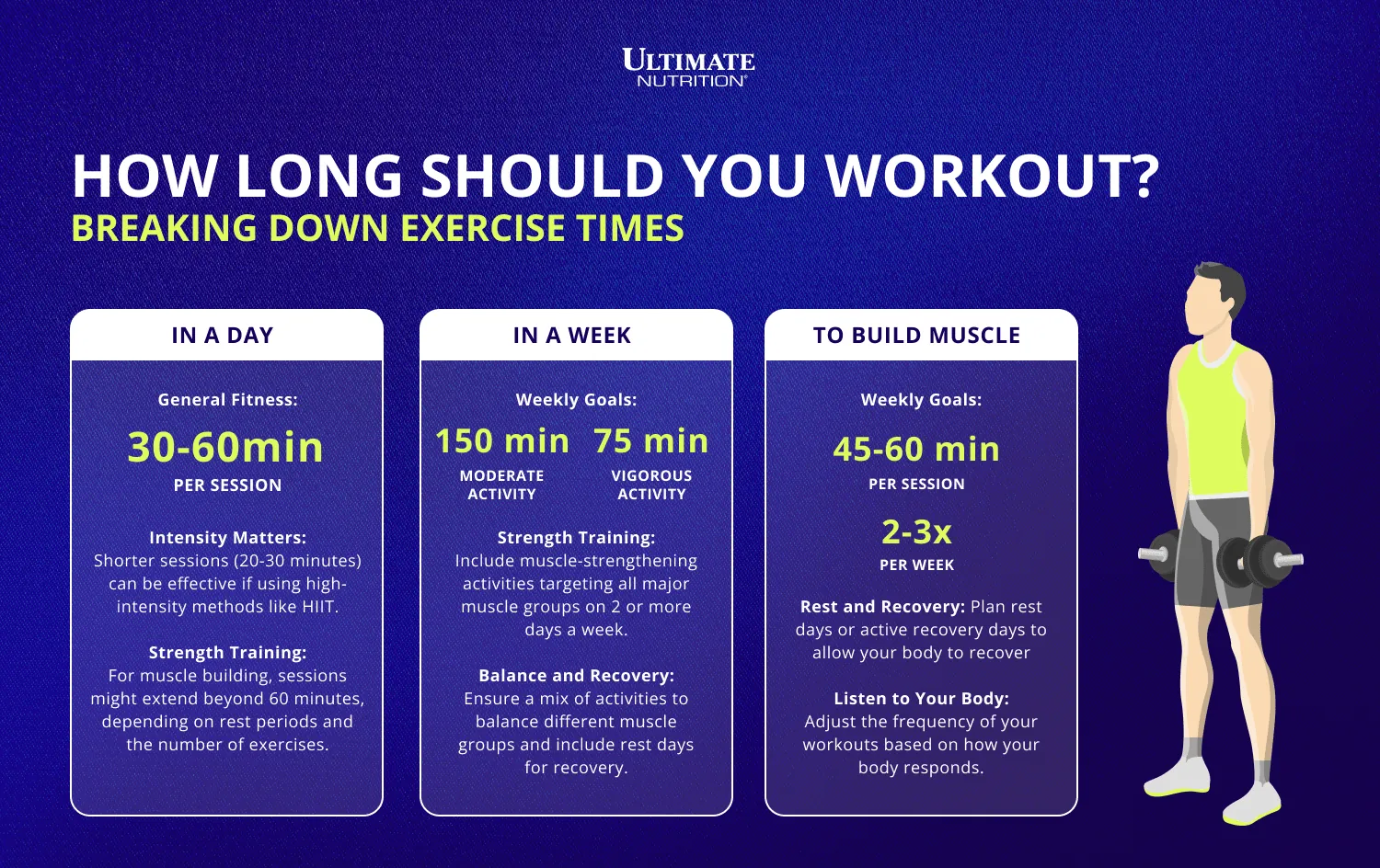
- Aim for at least 150 minutes of moderate-intensity aerobic activity each week.
- Incorporate two or more days of full-body strength training sessions.
- Prioritize recovery days to allow your muscles time to repair and adapt.
- Tailor your weekly frequency based on your specific fitness experience level.
- Consistency beats intensity; choose a schedule you can realistically stick to long-term.
How Many Days a Week Should You Exercise?
The number of days you should dedicate to movement isn’t one-size-fits-all. According to the physical activity guidelines for Americans, adults should strive for a minimum of 150 minutes of moderate-intensity aerobic physical activity weekly, or 75 minutes of vigorous-intensity activity.
You can spread this duration across the week in various ways, such as five 30-minute sessions or three 50-minute sessions. If your goal is general health, even 10-minute bouts of activity throughout the day contribute to your total, provided they’re performed at an appropriate intensity.
Structuring Your Weekly Training Schedule
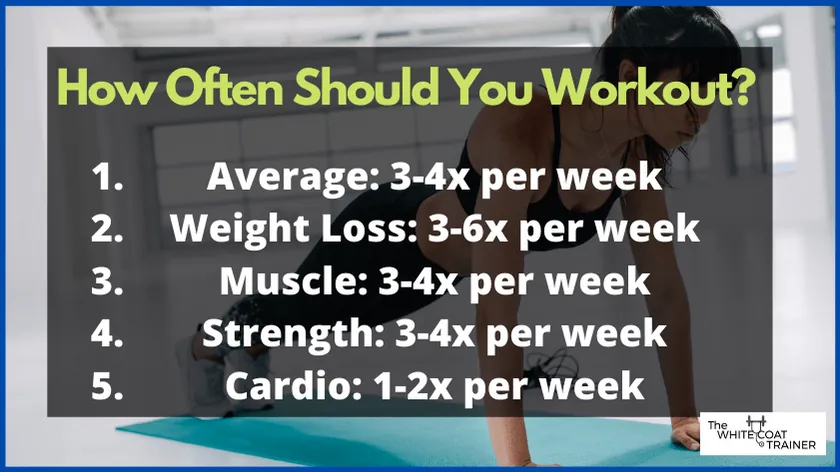
Creating a balanced weekly schedule ensures you hit all your physical requirements without overtraining. A common approach is to alternate between cardiovascular focus and resistance training, with at least one or two full rest days per week.
| Training Goal | Recommended Weekly Frequency | Primary Focus |
|---|---|---|
| General Health | 3 to 4 days | Aerobic movement |
| Muscle Building | 4 to 5 days | Progressive overload |
| Weight Management | 5 to 6 days | Caloric expenditure |
| Active Recovery | 1 to 2 days | Mobility and low-impact |
Why Rest Days Are Essential
Rest and recovery are as important as the actual training sessions themselves. When you exercise, you create microscopic tears in your muscle fibers; these fibers repair and strengthen during periods of rest. If you never take a day off, you risk overtraining syndrome, which can lead to persistent fatigue, increased injury risk, and decreased performance.
- Muscle repair: Allows tissue to grow stronger.
- Glycogen replenishment: Restores energy stores in the muscles.
- Mental health: Prevents the burnout associated with constant pressure.
- Hormonal balance: Helps manage cortisol levels effectively.
Strength Training Versus Aerobic Work
Understanding the difference between these modalities helps in planning your weekly volume. Aerobic exercise improves heart and lung efficiency, while strength training builds the structural integrity of your bones and muscles. A well-rounded routine typically integrates both types of training throughout the week to maximize overall physiological benefits.
Incorporating Resistance Training
You should aim to hit every major muscle group at least twice per week. This doesn’t mean you need to be in the gym every day; you can structure a full-body routine that covers your legs, back, chest, shoulders, and core in a single session. By keeping your sessions efficient, you can easily fit two or three days of lifting into a busy schedule.
Integrating Cardiovascular Movements
Cardio can range from brisk walking to high-intensity interval training. The frequency of your cardio sessions depends on how much time you have and your personal preferences. If you prefer low-impact options like swimming or cycling, you can generally perform these more frequently than high-impact activities like sprinting, which put more stress on your joints.
Adapting to Your Fitness Level
Your experience level dictates how quickly you can progress. Beginners should start with fewer days to allow their bodies to adapt to the new stressors.
- Beginner: Start with 2 to 3 days of total body movement per week.
- Intermediate: Move to 3 to 5 days, focusing on split routines.
- Advanced: 5 to 6 days may be appropriate for specialized goals.
Pro Tip: If you feel excessive soreness that lasts more than 48 hours, reduce the number of days you exercise or lower the intensity until your body catches up to the new workload.
Signs You Are Exercising Too Much
Overtraining is a real concern for those who are highly motivated but lack proper recovery protocols. Recognizing the early warning signs can help you adjust your schedule before you suffer a setback.
- Persistent fatigue: Feeling tired even after a full night of sleep.
- Decreased performance: Difficulty hitting your usual weights or times.
- Mood swings: Increased irritability or feelings of anxiety.
- Frequent illness: A suppressed immune system due to chronic stress.
- Persistent aches: Lingering joint or tendon pain that doesn’t subside.
Can You Exercise Every Single Day?
Technically, yes, but it’s rarely recommended for the average person. If you choose to move seven days a week, at least three of those days should be dedicated to low-intensity movement such as walking, light yoga, or stretching. This prevents the cumulative load from becoming too taxing on your central nervous system.
How to Stay Consistent Weekly
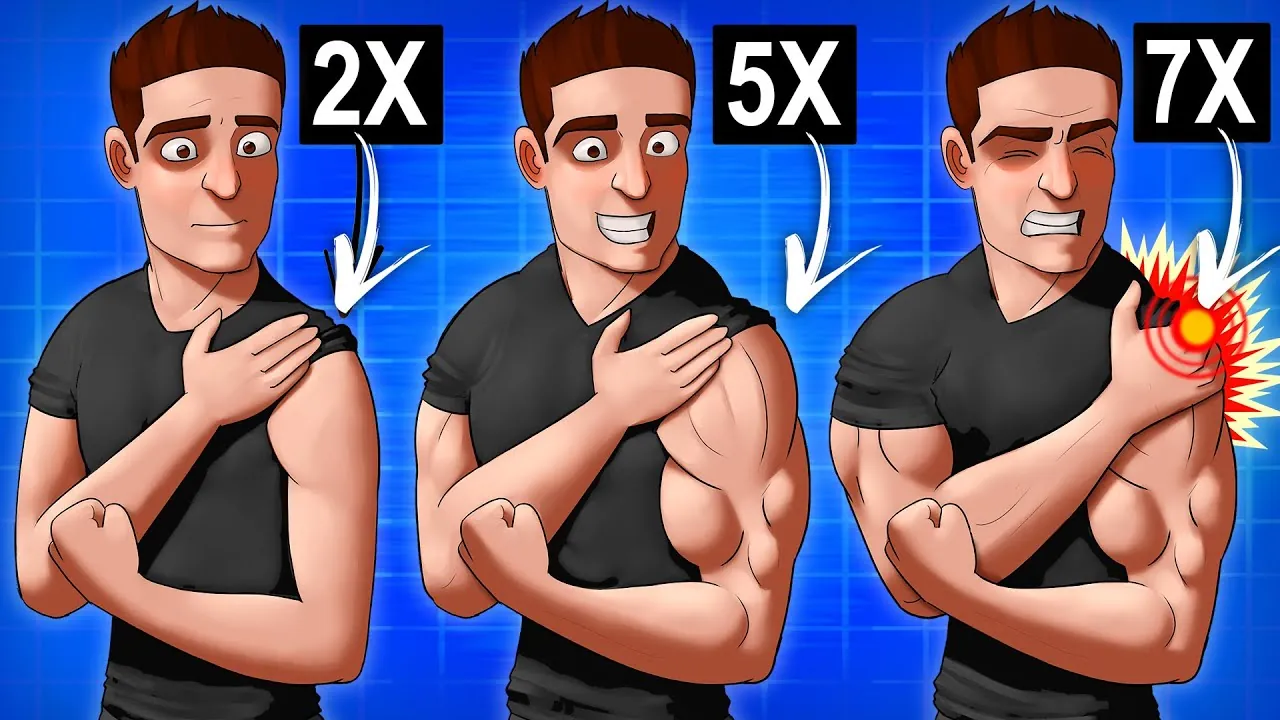
Consistency is the most difficult part of any fitness journey. The key is to remove friction and make your workouts as accessible as possible.
- Schedule sessions: Treat your workout like a mandatory business meeting.
- Prepare gear: Lay out your clothing the night before to save time.
- Start small: It’s better to do 15 minutes consistently than 90 minutes sporadically.
- Track progress: Use a simple calendar or app to mark off completed days.
Warning: If you have underlying health conditions, such as cardiovascular disease or joint issues, consult a medical professional before starting a new exercise regimen to ensure the frequency and intensity are safe for your specific needs.
Related guides
Frequently Asked Questions
Is it better to exercise more often?
Not necessarily. Exercising every day can lead to burnout if the intensity is too high. It’s usually more effective to exercise with moderate frequency and high quality than to force yourself into daily sessions that leave you exhausted and prone to injury. Focus on the total weekly volume of activity rather than the number of days spent in the gym.
What if I miss a workout day?
Missing one day of exercise won’t derail your long-term progress. If you miss a session, simply move on and perform your next scheduled workout as planned. Don’t attempt to “double up” by doing two sessions at once, as this increases the likelihood of injury and excessive fatigue. Consistency is measured over months and years, not individual days.
Can I get results with two days?
Yes, you can achieve results with two days of exercise, provided those sessions are efficient and challenging. A high-quality, full-body resistance training program performed twice per week is enough to maintain muscle mass and improve bone density. While it may not provide the same rapid progress as a four-day routine, it’s a sustainable way to stay active for those with limited time.
Should I do cardio and weights together?
Combining cardiovascular work and resistance training in the same week is the gold standard for health. You can perform them on the same day or on alternating days depending on your preference. If doing them in the same session, consider performing your strength training first to ensure you have the energy to maintain proper form during heavy lifts.
How do I know if I am doing enough?
You’re doing enough if you’re meeting the minimum weekly guidelines and feeling steady progress in your fitness or energy levels. If you feel energized, are sleeping well, and notice improvements in your strength or endurance, your current frequency is likely appropriate. If you feel constantly drained or injured, it’s a clear sign that you need to reduce your frequency.
Conclusion
Starting a fitness journey is about finding a balance that supports your long-term health rather than achieving immediate perfection. Focus on integrating movement into your daily life in a way that feels manageable and enjoyable. By prioritizing recovery and listening to your body’s signals, you can build a sustainable routine that provides lasting benefits for years to come. Start by scheduling three days next week.