How to Build a Home Gym on a Budget: A Practical Guide | Fit Life Boost
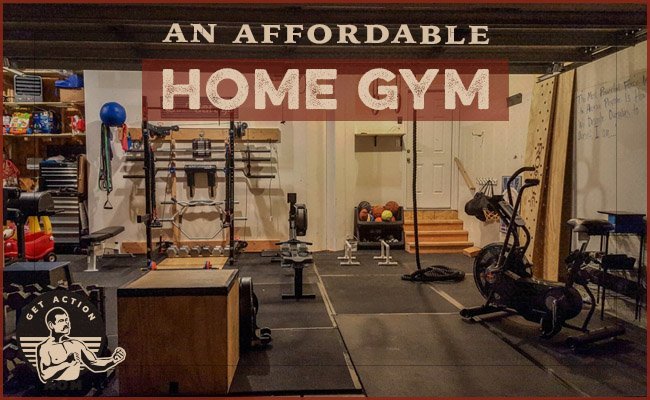
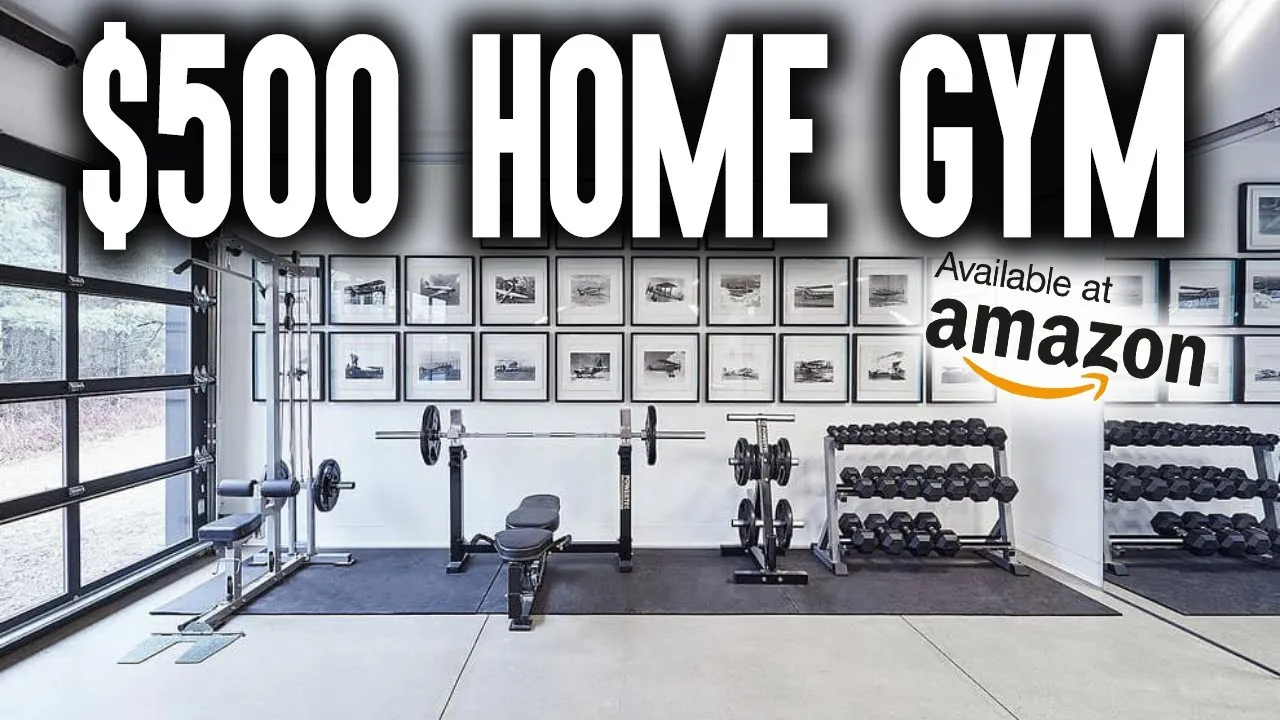
Building a home gym on a budget involves prioritizing versatile, high-impact equipment that yields the best return on your investment, typically costing between $200 and $850 for a functional foundation. You can assemble a comprehensive training space by focusing on space-efficient tools like resistance bands and adjustable dumbbells, which generally range from $50 to $400 depending on the quality and weight capacity you select for your specific fitness goals.
Key Takeaways
- Prioritize multi-purpose equipment to maximize limited square footage and keep costs low.
- Check local online marketplaces for high-quality used iron plates and steel racks.
- Focus on fundamental movements like squats, presses, and pulls before buying specialized machines.
- Ensure your home floor is level and protected with rubber mats to prevent structural damage.
- Invest in quality over quantity; one durable piece is better than three cheap, fragile ones.
Building a Home Gym on a Budget
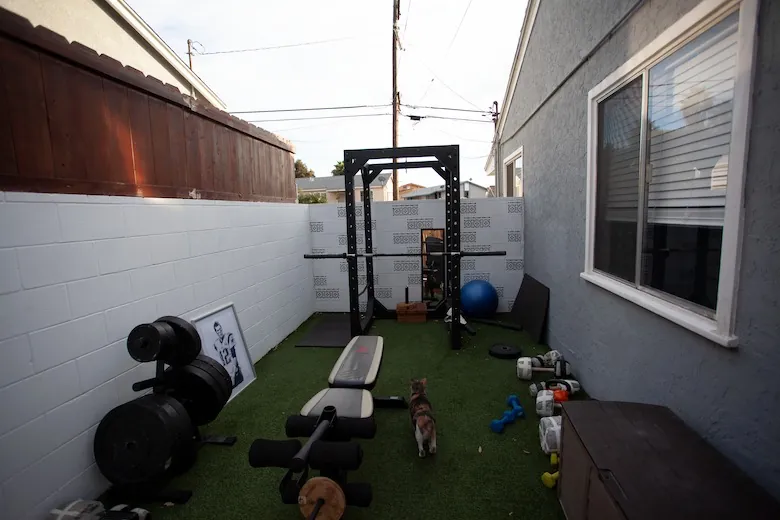
Creating a personal workout space starts with assessing your available square footage and your primary exercise objectives. You don’t need an entire room to see results; a small corner in a basement or spare bedroom is often sufficient for a full-body routine.
The most cost-effective approach is to build around compound movements, which engage multiple muscle groups simultaneously and require minimal hardware. By avoiding expensive, single-purpose machines that often end up as glorified coat racks, you save both money and floor space.
Essential Gear for Every Budget
When you begin acquiring equipment, prioritize items that offer the most versatility. A high-quality adjustable dumbbell set can replace an entire rack of fixed-weight dumbbells, saving significant space and cash. Resistance bands are another budget-friendly staple, providing constant tension and being easily stored in a drawer. For those interested in strength training, a basic power rack or a set of squat stands, paired with a reliable barbell, forms the core of a professional-grade home setup.
| Equipment Category | Low-End Cost | High-End Cost | Primary Use |
|---|---|---|---|
| Resistance Bands | $20 | $80 | Mobility and tension |
| Adjustable Dumbbells | $150 | $500 | Strength training |
| Jump Rope | $10 | $30 | Cardiovascular health |
| Yoga Mat | $15 | $60 | Floor work and stretching |
| Kettlebell | $30 | $120 | Explosive movements |
How to Find Quality Used Equipment
New gym equipment is expensive due to manufacturing and shipping costs, but the secondary market is flooded with gear from people who have moved on from their fitness journeys. Check local classifieds, social media marketplaces, and garage sales for heavy items like weight plates and benches.
Because steel and iron are durable, they often retain their utility long after the initial purchase. Inspect all welds and bolts on used racks or benches to ensure they remain structurally sound before you bring them home.
Pro Tip: Look for “gym closures” or “liquidation sales” in your area, as these often provide the best opportunities to purchase commercial-grade equipment at a fraction of the original retail price.
Designing Your Workout Space
The physical environment of your home gym plays a significant role in your consistency. If your gym is cluttered or poorly ventilated, you’re less likely to use it. Use mirrors to check your form, which is essential for injury prevention when training without a spotter.
Ensure you have adequate lighting, as bright, functional light helps maintain focus during intense sessions. If you have concrete floors, consider installing rubber stall mats to provide a non-slip surface and protect your slab from heavy weights.
What Are the Best Basic Exercises?
You can achieve a complete workout using only your body weight and one or two pieces of simple equipment. Focus on movements that mimic natural human patterns, such as pushing, pulling, squatting, and hinging. These movements are the gold standard for building functional strength and improving overall body composition.
- Push-ups and variations for chest and triceps.
- Bodyweight squats or goblet squats for leg development.
- Pull-ups using a door-mounted or wall-mounted bar.
- Lunges to improve balance and lower-body stability.
- Planks for core strength and spinal health.
Avoiding Common Purchasing Mistakes
Many beginners fall into the trap of buying “all-in-one” home gym machines that promise to do everything but often do nothing well. These machines frequently have plastic components that wear out quickly and offer limited adjustability. Avoid buying equipment based on infomercial claims; instead, focus on durable steel construction and adjustable designs that grow with your strength. If a piece of equipment seems too complex to assemble, it’s likely too complex to maintain over the long term.
How Can You Protect Your Floor?
Heavy equipment can exert significant pressure on flooring materials, potentially causing dents in hardwood or cracking ceramic tiles. Using high-density rubber flooring is the most effective way to distribute the weight of your gear. According to the Consumer Product Safety Commission, ensuring your equipment is placed on a stable, level surface is vital for preventing tip-overs and accidental injuries. A simple puzzle-mat system is usually sufficient for lighter setups, while heavy racks may require thicker, industrial-grade rubber rolls.
Maintenance and Safety Procedures
Regular maintenance extends the life of your equipment and keeps your training sessions safe. Wipe down your gear after every use to remove sweat, which is corrosive to metal finishes. Check bolts and fasteners on your racks and benches at least once a month to ensure they haven’t loosened due to vibration.
If you notice rust on your barbell or plates, use a stiff wire brush and a light coat of oil to restore the finish. Safety clips are non-negotiable when using a barbell; always secure your weight plates to prevent shifting during your sets.
| Maintenance Task | Frequency | Action Required |
|---|---|---|
| Bolt Inspection | Monthly | Tighten with wrench |
| Surface Cleaning | Per Session | Wipe with disinfectant |
| Rust Prevention | Quarterly | Apply thin oil coating |
| Belt/Cable Check | Weekly | Inspect for fraying |
Where to Buy Your Equipment
If you can’t find what you need used, prioritize manufacturers that offer warranties on their frames and welds. Many online retailers offer free shipping on starter bundles, which can be cheaper than buying individual items. Always compare the total cost, including shipping and taxes, before finalizing your order. Smaller, specialized fitness companies often provide better customer service and higher-quality materials than massive department stores, which tend to stock mass-produced, lower-quality consumer goods.
Should You Invest in Tech?
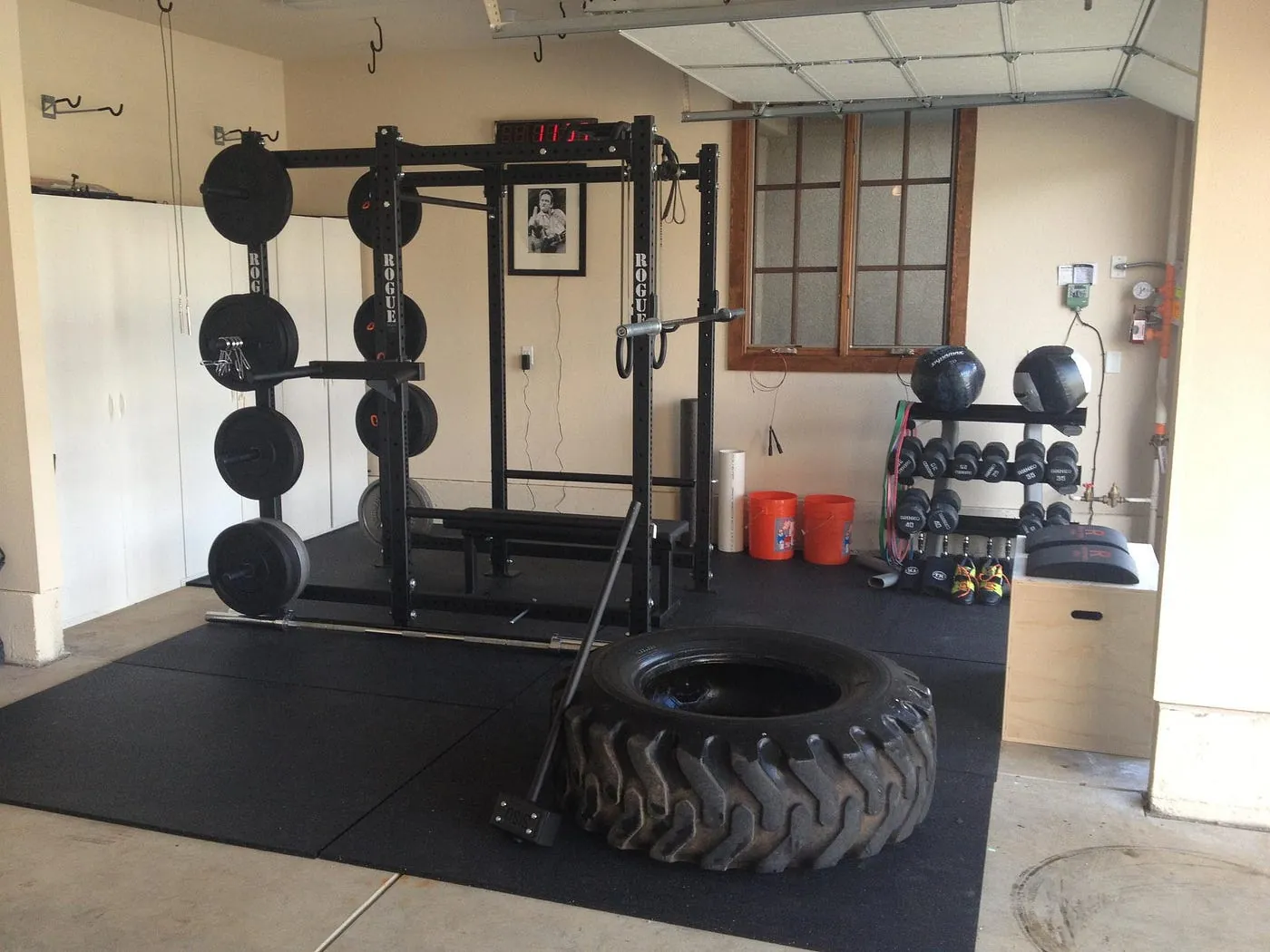
Modern fitness trackers and apps can provide valuable data on your progress, but they aren’t strictly necessary for building a home gym. If you have extra room in your budget, a simple wall-mounted timer or a heart rate monitor can help you track rest periods and exertion levels.
However, don’t let the lack of high-tech gadgets prevent you from starting. A notebook and a pencil are just as effective for tracking your sets, reps, and weights over time. Consistency and progressive overload are the true keys to fitness success.
Frequently Asked Questions
Is a home gym cheaper than a membership?
Over a period of two to three years, a home gym is generally much cheaper than a standard commercial gym membership. While the upfront investment for a rack and weights can seem high, you eliminate monthly fees, travel costs, and time wasted commuting. Once you own the equipment, your only future costs are minor maintenance supplies or occasional upgrades.
How much space do I really need?
A functional home gym can fit in as little as 36 to 50 square feet. A standard 6-by-6-foot area is enough for a bench, a rack, and a barbell. If you have even less space, focus on adjustable dumbbells and a folding bench that can be tucked into a closet when not in use.
Can I train safely alone?
Yes, you can train safely alone by prioritizing form over heavy weight and using safety spotter arms on your rack. Always set your safety pins or arms at the correct height before beginning a heavy squat or bench press. If you feel unsure about a specific movement, start with lighter weights and focus on perfecting your technique before attempting your maximum capacity.
What is the best starter equipment?
The best starter equipment is a pair of adjustable dumbbells, a flat bench, and a set of resistance bands. This combination allows you to perform almost every fundamental movement pattern, including presses, rows, curls, and squats. These items are compact, relatively inexpensive, and provide enough resistance to facilitate significant muscle growth and cardiovascular improvement for most individuals.
Should I buy a treadmill?
Treadmills are expensive, occupy significant floor space, and are prone to mechanical failure. Unless you live in an area where outdoor walking or running is impossible for long periods, you can achieve similar cardiovascular results with a jump rope, burpees, or mountain climbers. These bodyweight movements are free, require no space, and carry no risk of mechanical breakdown.
Conclusion
Start by clearing a small, dedicated area in your home today. Even if you only have enough room for a single yoga mat and a pair of adjustable dumbbells, begin your routine immediately. By focusing on consistency rather than perfection, you’ll build the habits necessary to reach your goals. Purchase one essential item this week, then expand your setup as your strength and confidence grow over time.