How to Choose the Right Dumbbells for Home Workouts: Expert Guide | Fit Life Boost
Selecting the right dumbbells for home workouts requires balancing your current fitness level, available storage space, and long-term training goals. Whether you’re aiming for general conditioning or hypertrophy, the ideal set provides enough resistance to challenge your muscles while remaining versatile enough to allow for a wide range of movements. By understanding the differences between fixed-weight, adjustable, and modular systems, you can build a gym that grows alongside your strength without cluttering your living area.
Key Takeaways
- Fixed-weight dumbbells are best for beginners or those who prefer quick, seamless transitions between exercises.
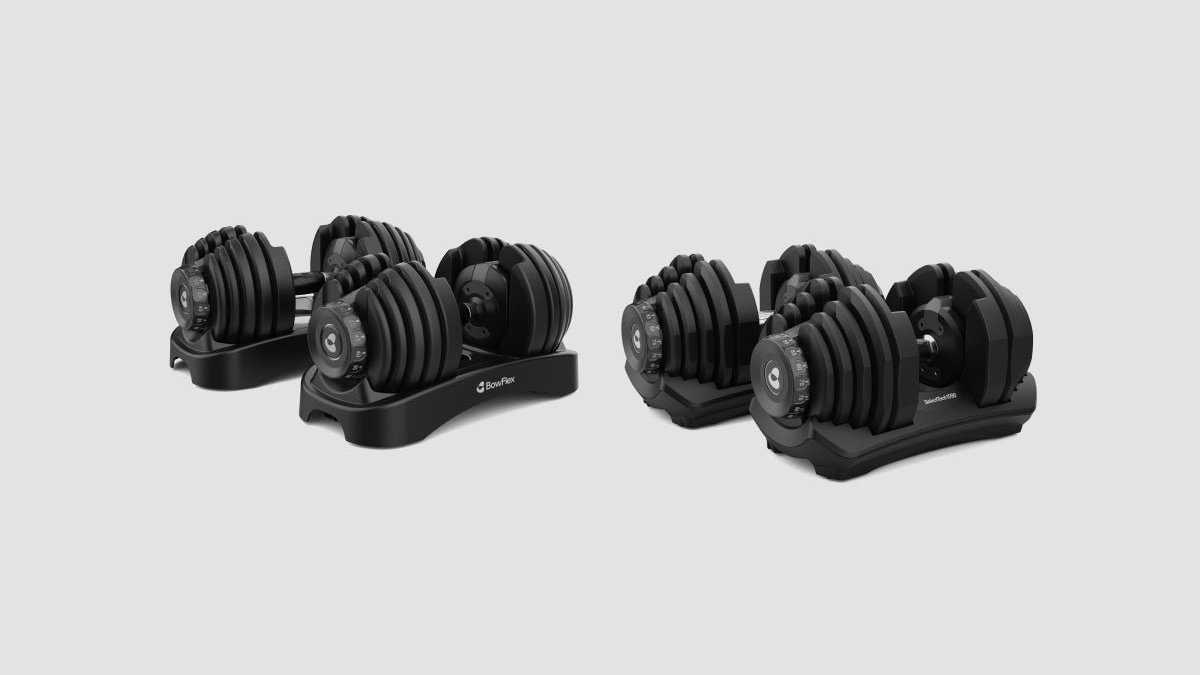
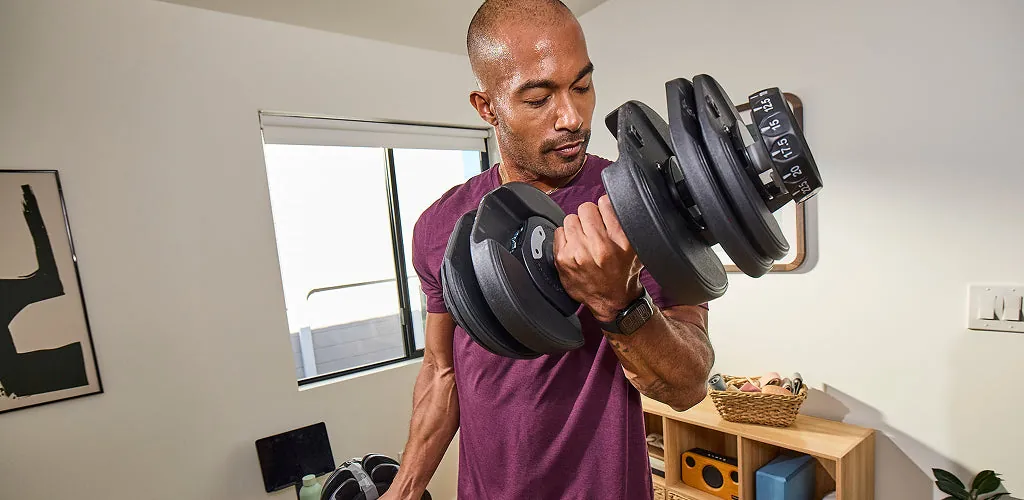
- Adjustable dumbbell sets offer the most value for space-constrained home gyms by replacing entire racks of weights.
- Neoprene or vinyl coatings are ideal for high-repetition floor exercises because they provide a better grip and protect flooring.
- Always prioritize handles with knurling or ergonomic textures to ensure safety during sweaty, high-intensity workouts.
- Start with a weight range that allows you to maintain perfect form for 10–12 repetitions before increasing the load.
How to Choose the Right Dumbbells
Choosing the right equipment is about matching the tool to your specific training style. If you prioritize convenience, fixed-weight pairs are superior because you never have to stop your workout to swap plates. However, if you’re limited on space, modular systems are the only logical choice. Consider how much square footage you can dedicate to your fitness area before making a purchase.
Fixed or Adjustable Weights?
| Feature | Fixed-Weight Dumbbells | Adjustable Dumbbell Sets |
|---|---|---|
| Space Required | High (needs a rack) | Low (compact footprint) |
| Transition Speed | Instant | Moderate (manual adjustment) |
| Cost Efficiency | Expensive for full sets | High initial cost, cheap long-term |
| Durability | Extremely high | Mechanical parts can wear out |
Pro Tip: If you choose adjustable dumbbells, look for systems with a smooth locking mechanism, as cheap plastic dials can jam over time, interrupting your flow and causing frustration during supersets.
Materials and Their Benefits
The material of your dumbbells affects both their longevity and your comfort during use. Cast iron is the industry standard for durability, but it can be loud and damaging if dropped on hardwood or tile. Rubber-encased weights offer a quieter workout and protect your home surfaces from scuffs.
- Cast Iron: Uncoated, industrial feel; perfect for heavy lifting and long-term durability.
- Rubber-Coated: Excellent for home settings; minimizes noise and protects your floors.
- Neoprene/Vinyl: Best for light aerobic work; comfortable grip and easy to sanitize.
- Chrome: Aesthetic, but can become slippery if your palms get sweaty during a set.
Understanding Handle Design
The handle, or grip, is the primary point of contact between you and the weight. A poor grip leads to instability and reduces the effectiveness of your lifts. Look for “knurling,” which is the cross-hatched pattern etched into the metal. This texture increases friction, ensuring the weight stays secure in your hand. If you have smaller hands, ensure the handle diameter isn’t too thick, which can lead to premature forearm fatigue before your target muscle is exhausted.
Assessing Your Strength Level
Never guess your weight capacity; start conservative to master your form. If you’re a beginner, a pair of 5, 10, and 15-pound dumbbells is often sufficient to cover a full-body routine.
Why Should You Prioritize Durability?
Investing in high-quality gear prevents the need for frequent replacements. Solid steel or iron dumbbells can last for decades, whereas cheap, sand-filled plastic weights often leak or crack within a few years. If you’re committed to a long-term fitness journey, prioritize construction quality over aesthetic features or low pricing. A single pair of high-quality rubber hex dumbbells will likely outlast your need for lighter weights.
What Are Common Setup Mistakes?
- Buying too heavy: You lose form and increase injury risk if the weight is beyond your current capacity.
- Ignoring storage: Failing to buy a rack or a dedicated storage tray leads to tripping hazards.
- Mismatching sets: Trying to mix different brands or styles makes it difficult to track your progress.
- Overlooking grip: Choosing smooth handles that become dangerous once you begin to perspire.
Warning: Always inspect your equipment before use, especially with adjustable systems, to ensure that locking pins or plates are fully secured, as loose components can cause serious injury during overhead lifts.
How to Maintain Your Equipment
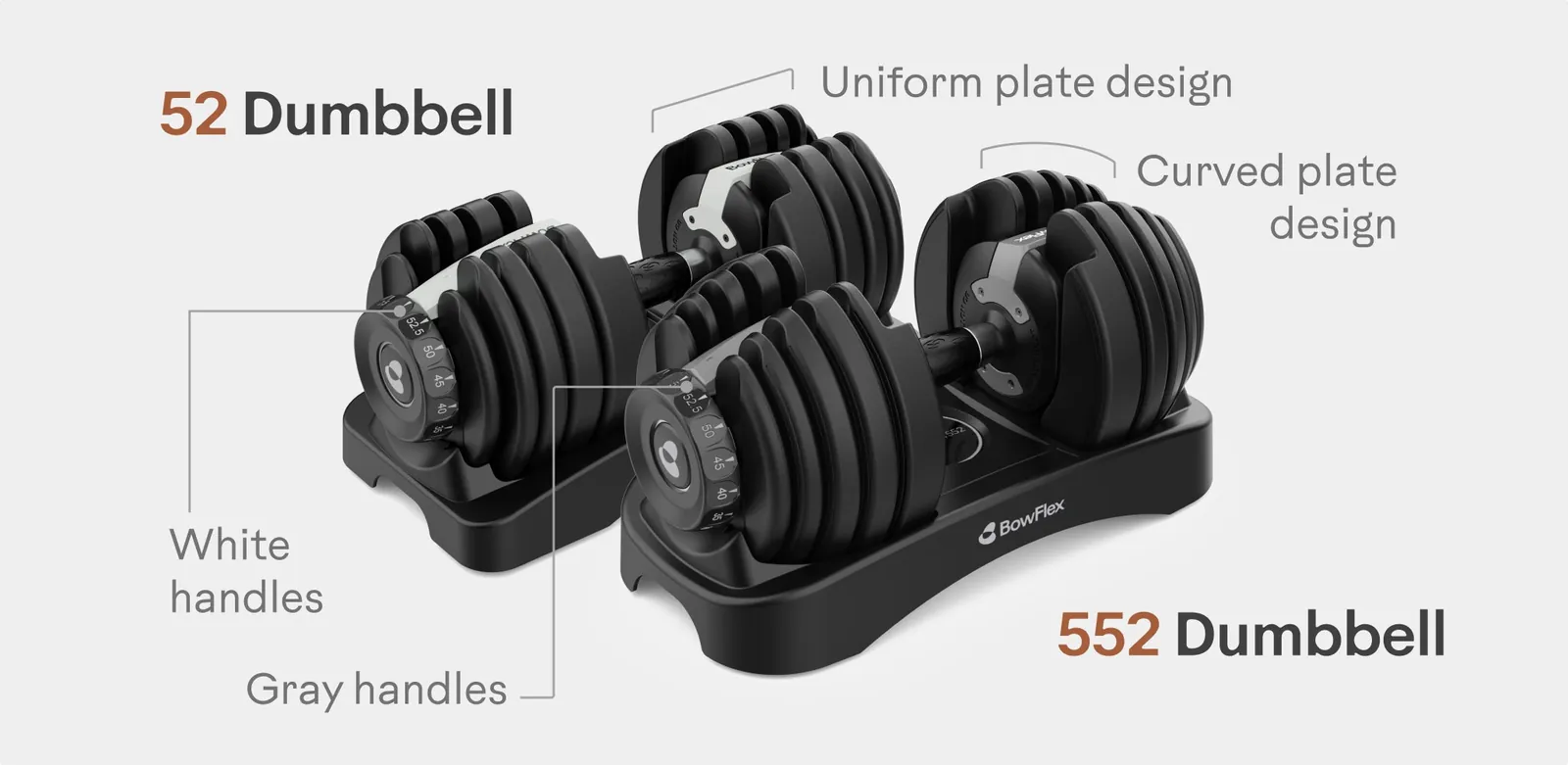
Maintaining your home gym is simple but essential for longevity. If you use rubber-coated weights, wipe them down with a damp cloth after sessions to remove sweat and oils. For raw iron or chrome handles, a light application of machine oil once a year can prevent oxidation. If you have adjustable dumbbells, vacuum out the base trays regularly to ensure that dirt and debris don’t interfere with the selection mechanism.
Frequently Asked Questions
Is a hex shape better than round?
Hexagonal dumbbells are superior for home use because they don’t roll across the floor between sets. This stability is vital for exercises like renegade rows or push-ups, where you need a stationary surface to support your weight. Round dumbbells are better suited for commercial gyms with racks, but for the average home gym, the hex design provides added convenience and safety.
How heavy should I start?
Start with a weight that allows you to perform 12 repetitions with perfect technique. If you can easily complete 15 repetitions, the weight is too light; if you can’t reach 8, it’s too heavy. Most beginners benefit from having a light pair for lateral raises and a heavier pair for chest presses and squats to accommodate the different strength capacities of your muscle groups.
Can I build muscle with adjustable dumbbells?
Yes, adjustable dumbbells are highly effective for hypertrophy. The key is progressive overload, which means increasing the weight or the number of repetitions over time. Because adjustable sets allow you to increase the load in small, precise increments, they’re arguably better for muscle growth than fixed-weight sets, as they allow you to keep challenging your muscles as you get stronger.
Are neoprene weights worth it?
Neoprene weights are ideal for beginners, physical therapy, or high-repetition aerobic classes. They’re comfortable, quiet, and easy to grip. However, they’re usually only available in lighter increments, typically up to 10 or 15 pounds. If your goal is to build significant strength or mass, you’ll eventually outgrow them and need to transition to heavier, rubber-coated, or iron plates.
Should I buy a rack?
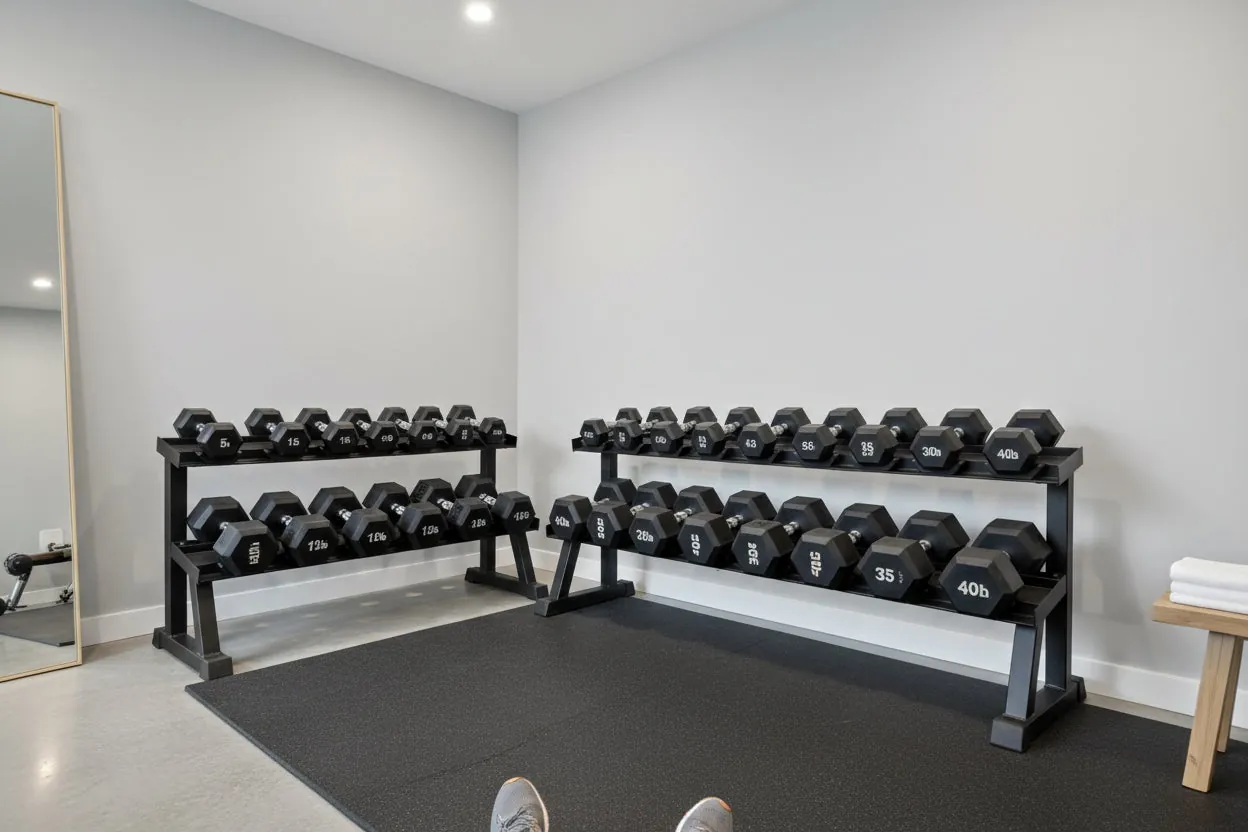
If you own more than two pairs of fixed-weight dumbbells, a rack is a necessary investment. It keeps your equipment organized, protects your flooring, and makes your workout space safer by eliminating tripping hazards. For those using adjustable dumbbells, a dedicated stand is also recommended to raise the weights to a comfortable height, preventing the need to strain your back when lifting them off the floor.
Conclusion
Building a home gym is a rewarding process that begins with selecting the right foundation for your strength goals. By focusing on quality materials and the right weight increments for your level, you create an environment that encourages consistency. Now that you know what to look for, take an inventory of your space and pick the set that best supports your long-term health.