How to Start Exercising at Home for Beginners: A Simple Guide | Fit Life Boost
Starting an exercise routine at home is a process of building a sustainable habit rather than focusing on intense, short-term bursts of activity. By utilizing your own body weight and limited space, you can create a fitness environment that removes the common barriers of travel time and expensive gym memberships. The key to long-term success is consistency, starting small, and gradually increasing the intensity as your body adapts to new movement patterns.
Key Takeaways
- Prioritize consistency over duration; even ten minutes of movement daily is better than one hour once a week.
- Focus on mastering proper form before attempting to add resistance or increase the speed of your movements.
- Create a dedicated space, however small, to mentally prepare yourself for a workout session.
- Listen to your body’s signals to prevent injury and allow for necessary recovery between intense sessions.
- Use a simple log to track your progress, which helps maintain motivation during the initial weeks of training.
How to Start Exercising at Home
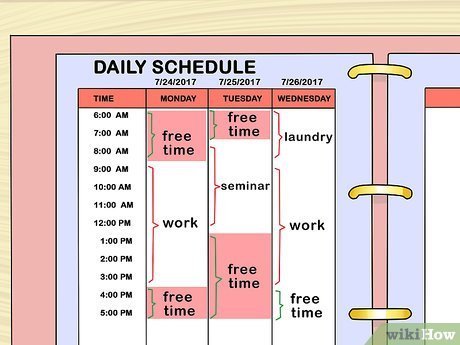
The most effective way to begin is to identify a time of day when you feel most alert. If you’re a morning person, set your alarm fifteen minutes earlier to complete a basic circuit.
If you prefer evenings, schedule your movement as a transition between work and personal time. You don’t need fancy equipment; a stable chair, a bit of floor space, and comfortable clothing are sufficient. Always clear your area of hazards like loose rugs or sharp furniture corners before you begin.
Creating a Routine That Lasts
Consistency is the bedrock of physical health. Many beginners fail because they attempt to mirror professional athlete routines immediately. Instead, aim for three sessions per week initially. This allows your muscles and joints time to recover. As outlined by the Centers for Disease Control and Prevention, adults benefit significantly from at least 150 minutes of moderate-intensity aerobic activity each week, but you can build up to this total gradually.
| Goal Phase | Typical Frequency | Session Length | Focus Area |
|---|---|---|---|
| Phase 1: Foundation | 2-3 days/week | 10-15 minutes | Mobility and Form |
| Phase 2: Conditioning | 3-4 days/week | 20-30 minutes | Strength and Stamina |
| Phase 3: Maintenance | 4-5 days/week | 30-45 minutes | Variety and Intensity |
Essential Movements for Beginners
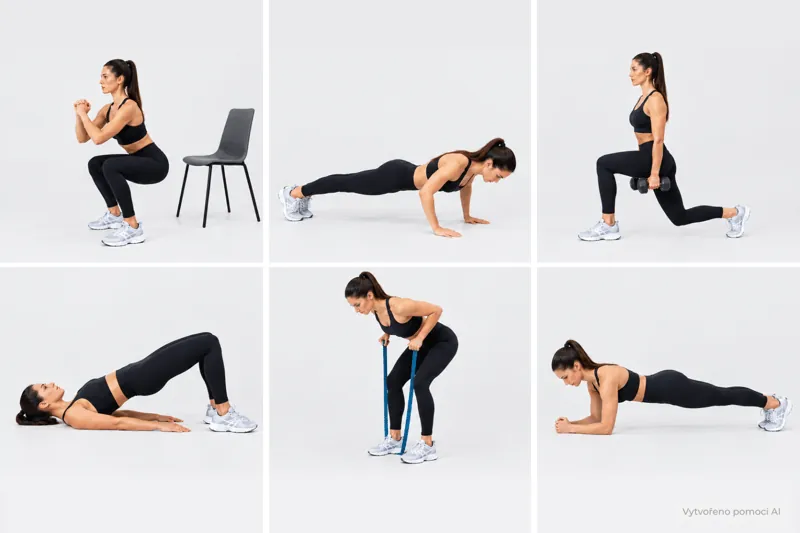
You should focus on compound movements that recruit multiple muscle groups simultaneously. These exercises offer the best return on your time investment.
- Bodyweight Squats: Stand with feet shoulder-width apart, lower your hips as if sitting in a chair, and return to standing.
- Wall Push-ups: Place hands on a wall at shoulder height and perform a controlled push-up motion to build upper body strength.
- Glute Bridges: Lie on your back with knees bent and lift your hips toward the ceiling.
- Planks: Hold a push-up position on your forearms to engage your core muscles.
- Lunges: Step forward with one leg and lower your hips until both knees are at roughly ninety-degree angles.
Choosing Your Home Equipment
While body weight is your best tool, certain items can add variety and challenge as you progress. Start with basic, versatile tools rather than bulky machines.
| Item Name | Primary Purpose | Estimated Cost |
|---|---|---|
| Yoga Mat | Provides cushion and grip | $15–$30 |
| Resistance Bands | Adds tension to movements | $10–$25 |
| Jump Rope | Improves cardiovascular health | $5–$15 |
| Foam Roller | Assists in muscle recovery | $20–$40 |
Pro Tip: Start by using household objects like water bottles or canned goods as light weights before investing in specialized fitness gear to ensure you enjoy the habit first.
How to Maintain Proper Form
Form is the most critical aspect of home training. Without a coach present, you must be your own observer. Perform your movements slowly and monitor your body alignment. If a movement causes sharp pain in your joints, stop immediately.
Use a mirror to check your posture, ensuring your back remains neutral and your knees don’t collapse inward during lunges or squats. If you’re unsure about a specific technique, look for instructional videos provided by reputable university health departments or medical institutions.
Managing Recovery and Rest
Recovery is when your body repairs tissue and builds strength. If you work out every day without rest, you risk burnout and injury. Incorporate active recovery days where you engage in gentle movement like walking or stretching. Pay attention to signs of overtraining, such as persistent fatigue, poor sleep quality, or irritability. Proper hydration and a balanced diet are just as important as the workout itself.
Troubleshooting Common Beginner Issues
Most beginners encounter similar obstacles. Recognizing them early allows you to pivot before you quit entirely.
- Lack of Time: Break your workout into two ten-minute segments rather than one long session.
- Boredom: Change your routine every few weeks or listen to podcasts while you exercise.
- Lack of Space: Focus on stationary movements like squats or planks that require very little floor area.
- Discomfort: Ensure you’re wearing supportive shoes and exercising on a non-slip surface.
Warning: Always consult with a healthcare professional before beginning any new exercise program, especially if you have pre-existing health conditions or have been sedentary for a long period.
Tracking Your Physical Progress
Recording your progress provides objective evidence that your hard work is yielding results. You don’t need complex apps; a simple notebook works perfectly. Record the date, the exercises performed, the number of repetitions completed, and how you felt during the session. Seeing a record of your consistency is often more motivating than looking at a scale. Over time, you’ll notice that you can perform more repetitions or complete your session with less effort, which is a major victory.
Safety While Exercising Alone
Exercising at home requires a focus on safety, as you don’t have a spotter or gym staff to assist you. Always keep your phone nearby in case of an emergency. Ensure your environment is well-lit and that your floor is free of obstacles. If you feel dizzy, faint, or experience chest pain, stop the activity immediately and seek medical advice. Never push through sharp or stabbing pain; distinguish between the “burn” of working muscles and the pain of an injury.
Frequently Asked Questions
Is it safe to exercise at home without a trainer?
It’s safe for most healthy individuals if you start slowly and prioritize proper form. If you have chronic conditions or are unsure about your health status, consult a doctor first. Stick to low-impact movements initially to minimize injury risk. Always listen to your body and stop if you experience pain, dizziness, or unusual shortness of breath during your home workout.
How do I stay motivated when nobody is watching?
Motivation is fleeting, so rely on discipline and scheduling instead. Treat your workout as a non-negotiable appointment in your calendar. Prepare your workout clothes the night before to reduce friction. Focusing on how you feel after a session—more energized and alert—can help reinforce the habit. Remember that even a short, ten-minute session is a success that builds momentum for the next day.
Can I build muscle without gym equipment?
Yes, you can build significant strength using your own body weight. Movements like push-ups, squats, lunges, and planks are highly effective for muscle development. As you get stronger, you can increase the challenge by slowing down the tempo of your movements, increasing the number of repetitions, or decreasing rest time between sets. Eventually, you may choose to add simple tools like resistance bands for more variety.
How long should a beginner workout last?
Beginner workouts should last between ten and twenty minutes. Quality matters more than quantity when you’re establishing a new habit. Short sessions are easier to fit into a busy schedule, which improves the likelihood of you sticking with the routine long-term. As your fitness level improves, you can gradually increase the duration or intensity of your sessions to continue making progress.
What should I do if I feel sore the next day?
Mild muscle soreness, often called delayed onset muscle soreness, is a normal response to new physical activity. It typically peaks twenty-four to forty-eight hours after a workout. You can manage it with light movement, such as walking or gentle stretching, to increase blood flow. If the soreness is severe or prevents you from moving normally, take an extra rest day to allow your muscles to fully recover.
Conclusion
Starting this journey is an act of self-care that pays dividends for your long-term health and energy levels. Focus on the small wins, celebrate your consistency, and be patient as your body adapts to the new demands you’re placing upon it. Pick a start date, clear a small space, and complete your first ten-minute session to begin your progress today.