
Seven Day Sleep Reset That Actually Works
Tired of lying awake and scrolling at 2 a.m.? You’re not alone. Stress, screens, late caffeine, and irregular bedtimes push your body clock out of sync. This seven day sleep reset that actually works gives you a simple, science-backed plan to realign your rhythm, calm your mind, and fall asleep faster—all in one week. Think of it as a gentle 7 day sleep challenge: small daily steps that add up to big, restful nights.
Table of Contents
- Day 1 — Set your anchor & prep your space
- Day 2 — Build daytime sleep pressure
- Day 3 — Tame the afternoon slump
- Day 4 — Stress offload & rhythm lock-in
- Day 5 — Deepen relaxation skills
- Day 6 — Digital sunset & consistency test
- Day 7 — Lock it in & plan forward
- FAQs
- Conclusion
Also see: Weekly Workout Plan for Absolute Beginners
How this sleep reset routine works (read first)
- Anchor your wake-up time. Choose one time you can keep every day (e.g., 7:00 a.m.). Do not shift it by more than 15 minutes.
- Light early, low light late. Morning sunlight sets your clock; dim, warm light lets melatonin rise.
- Caffeine cut-off. Stop 8–10 hours before bed.
- Move most days. Light-to-moderate exercise supports better sleep pressure.
- Wind-down ritual. Same 30–60 minute routine nightly.
- Cool, dark, quiet room. Treat your bedroom like a cave.
View Alarm Clocks for Bedrooms on Amazon

Tip: If you can’t sleep after ~20 minutes, get up, keep lights low, do something calm, then return when sleepy.
Day 1 — Set your anchor & prep your space
Goal: Fix your “wake anchor” and make your bedroom sleep-friendly. (Example wake time: 7:00 a.m.)
- Wake-up: Set tomorrow’s alarm to your anchor time. No snooze.
- Light: Within 30 minutes of waking, get 5–10 minutes of outdoor light (or bright window).
- Exercise: 10–20 minute walk or mobility flow.
- Caffeine/Meals: Last coffee/tea by 3 p.m. if bedtime is ~11 p.m.
- Bedroom audit: Set temp to 16–19°C (60–67°F), blackout curtains/eye mask, white noise if needed.
- Digital detox: Add night mode and app limits to kick in at sunset.
- Wind-down (30–45 min): Warm shower, stretch, light reading.
- Bedtime: Target a consistent window (e.g., 10:30–11:00 p.m.).
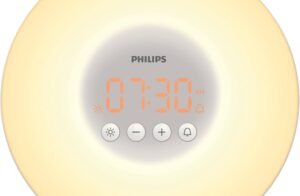
View SmartSleep Wake-up Light on Amazon
Day 2 — Build daytime sleep pressure
Goal: Be a little more active so your body “earns” sleep.
- Wake-up: Anchor time again. Open blinds immediately.
- Light: 2–3 quick light breaks outdoors (2–5 min each).
- Exercise: 20–30 minutes easy cardio or strength before late afternoon.
- Caffeine/Meals: Protein-forward breakfast; no caffeine after lunch.
- Nap rule: If needed, power nap <20 min before 2 p.m. only.
- Wind-down: 5 minutes box breathing (4-4-4-4) + hot shower → cool room.
- Screens: Off 60 minutes before bed; use paper or audio.
- Bedtime: Same window as Day 1.
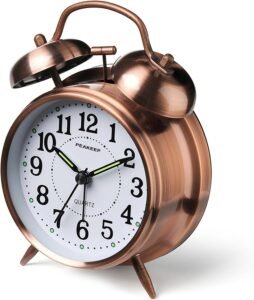
View Peakeep Loud Analog Alarm Clock for Heavy Sleepers on Amazon
Day 3 — Tame the afternoon slump
Goal: Prevent the 3 p.m. crash that wrecks bedtime.
- Wake-up/Light: Same anchor; 5 min outside after lunch.
- Exercise: Light walk after meals (10 minutes) to stabilize energy.
- Diet tweaks: Balanced plate = protein + fiber + healthy fat; avoid heavy, late dinners.
- Caffeine: None after noon today.
- Wind-down: Progressive muscle relaxation (tense/release from feet to face).
- Digital detox: Put phone to charge outside the bedroom.
- Bedtime: Journal 3 lines: one win, one worry, one plan → lights out.
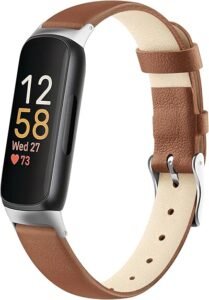
View Fitbit Inspire 3 on Amazon
Day 4 — Stress offload & rhythm lock-in
Goal: Clear mental clutter before bed; reinforce body clock.
- Wake-up/Light: Anchor, then 5–10 min morning sun.
- Exercise: Moderate workout earlier in the day; keep intensity >3 hours away from bed.
- Meals: Earlier dinner (2–3 hours before bed).
- Worry buffer (10 min): List tasks and a tiny first step for each. Close notebook.
- Wind-down: Warm bath/shower then cool room to nudge melatonin.
- Screens: Red-shift/night mode + blue-blocking glasses if needed.
- Bedtime: Read fiction or do a body scan meditation.
View Gratitude Journal on Amazon

Day 5 — Deepen relaxation skills
Goal: Teach your nervous system to downshift on command.
- Wake-up/Light: Anchor + brief daylight walk.
- Exercise: Gentle mobility or yoga today.
- Caffeine/Meals: Hydrate earlier; light, carb-inclusive dinner (rice, potatoes, quinoa) can aid sleep.
- Relaxation stack (15 min):
- 5 min slow breathing (inhale 4, exhale 6)
- 5 min stretch (hips, hamstrings, chest)
- 5 min gratitude journaling
- Wind-down: Herbal tea (chamomile/lemon balm).
- Bedtime: Lights low for 60 minutes pre-sleep.
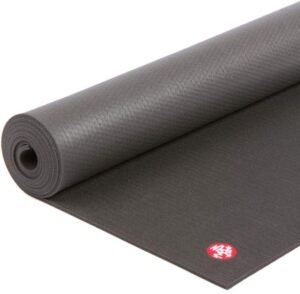
View manduka pro yoga mat on Amazon
Day 6 — Digital sunset & consistency test
Goal: Experience a quiet mind without doomscrolling.
- Wake-up/Light: Same time; sunlight ASAP.
- Exercise: Easy walk or light bike ride.
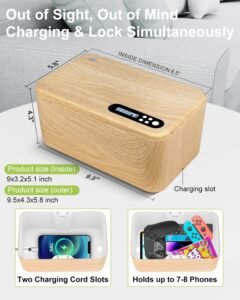
- Digital sunset: Devices off 90 minutes before bed; leave phone outside room; use an analog alarm.
- Connection time: Short chat, puzzle, or paper book.
- Wind-down: Yoga “legs up the wall” 3–5 minutes + lavender scent cue.
- Bedtime: If awake, repeat breathing; don’t clock-watch.
View Phone Locker Time Locking Container on Amazon
Day 7 — Lock it in & plan forward
Goal: Make the gains stick and create your ongoing sleep hygiene plan.
- Wake-up/Light: Anchor again (yes, even on weekends).
- Exercise: Short morning session—habit cement.
- Reflect: What helped most? Pick 3 keepers for next week.
- Contingency: If bedtime drifts, keep wake time fixed, use a 20-min early afternoon nap or earlier light exposure—not a late sleep-in.
- Wind-down: Your favorite combo from the week.
- Bedtime: Same window. Celebrate your progress.
View Sunrise Alarm Clock on Amazon

Quick tips: how to fall asleep faster in a week
- Keep the same wake time daily.
- Get morning light, keep evening light low.
- Move your body most days.
- Finish dinner 2–3 hours before bed; limit alcohol.
- Use a repeatable wind-down you enjoy.
FAQs
Can I really fix my sleep schedule fast in one week?
Most people see meaningful improvements in 7 days with a steady wake time, light management, and a wind-down ritual. Full reset may take 2–3 weeks—keep going.
What if I work night shifts?
Anchor your “morning” after your last work hour, wear dark glasses on the commute, keep your room pitch-black and cool, and use bright light at the start of your shift.
How much sleep do I need?
Many adults feel best with 7–9 hours. Track how you feel on rising and mid-afternoon to gauge your sweet spot.
Are naps allowed during the reset?
Yes—power naps <20 minutes before 2 p.m. Avoid late naps; they steal nighttime sleep pressure.
What if I wake at 3 a.m.?
Get out of bed after ~20 minutes. Low light, breathe or read. Return when sleepy. Avoid phones—they wake the brain.
Conclusion
A great night’s sleep isn’t luck—it’s a routine. Follow this seven day sleep reset that actually works, protect your wake time, and repeat the small wins. In a week, you’ll feel the shift.
CTA: Try this 7-day sleep reset and wake up refreshed. Save this plan and start tonight.


2 Comments