Night Routine to Fall Asleep Faster
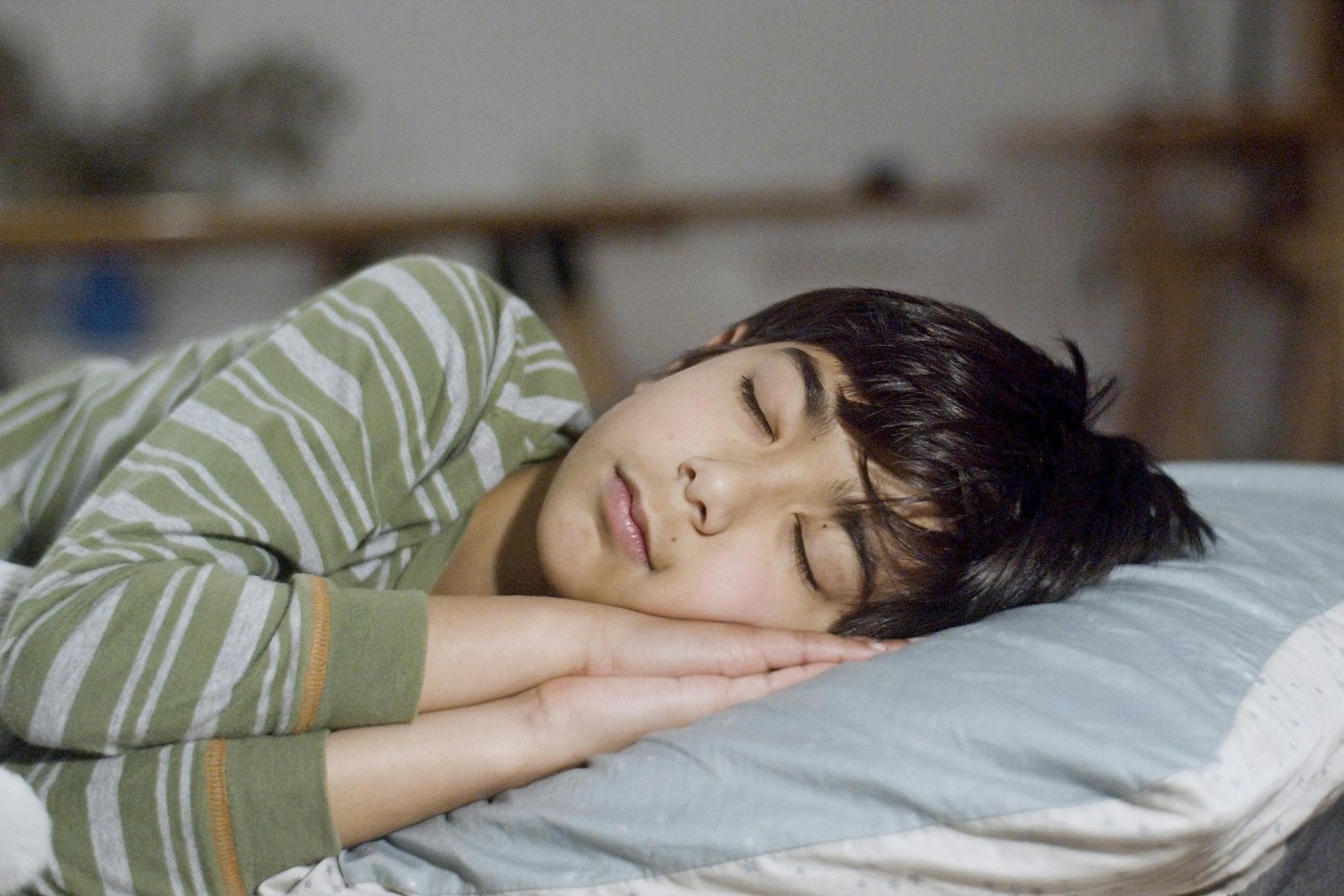
Falling asleep shouldn’t feel like work. Yet stress, screens, and late-night habits can keep the brain “on” long after you turn off the lights. The fix isn’t a magic tea—it’s a gentle night routine that helps you fall asleep faster. A consistent, calming sequence tells your body, “It’s safe to power down.” Below is a science-backed plan you can start tonight, plus simple examples you can copy.
Table of Contents
- Why a routine works (the science made simple)
- Your 60–90 minute wind-down plan (step-by-step)
- Light, screens, and your brain
- Food, drink, and timing that support sleep
- Simple relaxation techniques that really work
- Journaling and next-day prep (the worry buffer)
- Bedroom setup: cool, dark, quiet
- Sample night routines you can copy
- Troubleshooting: If you still can’t fall asleep
- FAQs
- Conclusion: Your calm evening starts tonight
Why a routine works (the science made simple)
Two systems control sleep:
- Sleep pressure (adenosine): Builds while you’re awake, making you sleepy at night. Naps, caffeine, and late workouts lower this pressure.
- Circadian rhythm (body clock): Runs on a roughly 24-hour cycle. Light—especially blue light—pushes this clock later.
A bedtime routine for better sleep aligns both systems. You dim lights to tell the clock it’s nighttime and choose relaxing night habits that raise melatonin and lower heart rate. In studies, consistent pre-sleep routines reduce sleep latency (the time it takes to fall asleep) and improve sleep quality. Think of it like a playlist your nervous system learns: the more often you repeat it, the faster your body responds.
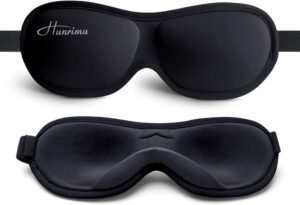
View Sleep Eye Mask on Amazon
Your 60–90 minute wind-down plan (step-by-step)
Aim to start 60–90 minutes before your target sleep time. Keep the order the same most nights.
T-90 minutes: Dim and disconnect
- Lower overhead lights; use warm lamps.
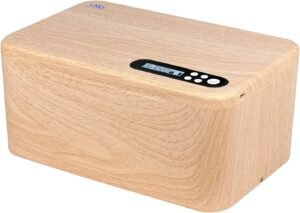
- Put your phone on Do Not Disturb; set an “automation” that kicks in nightly.
- Gentle tidy (5 minutes) to reduce visual stress.
View Phone Locker Time Locking Container on Amazon
T-60 minutes: Light fuel, light content
- If hungry, have a small protein + complex carb snack (e.g., Greek yogurt + berries).
- Sip warm herbal tea (chamomile or lemon balm).
- Switch to low-stimulus activities: a paper book, light stretching, or a puzzle.
View Purely Elizabeth Original Granola on Amazon

T-30 minutes: Relaxation block
- Box breathing 4-4-4-4 for 3–5 minutes.
- Progressive muscle relaxation: tense and release muscle groups from toes to forehead.
- Warm shower (5–10 minutes) then cool room—this drop in core temp signals sleep.
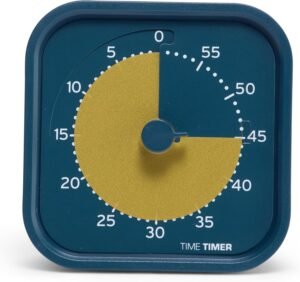
View Time Timer MOD Visual Timer on Amazon
T-10 minutes: Close the loop
- Quick journaling: one win, one worry, one plan for tomorrow (moves mental load off the pillow).
- Lights out. If awake longer than 20 minutes, get up and repeat a calming activity in low light.
View Gratitude Journal on Amazon

Light, screens, and your brain
Light is the strongest circadian cue. Blue-rich LEDs and phone screens tell the brain it’s daytime and delay melatonin. For how to sleep faster at night:
- Use warm bulbs (2700K or lower) in evening spaces.
- Activate Night Shift / Blue Light Filter at sunset on devices.
- Wear amber glasses if you must use screens after dark.
- Read on paper or a basic e-reader without backlight.
- Keep the bedroom dark: blackout curtains or an eye mask.
View Sleep Eye Mask on Amazon
Food, drink, and timing that support sleep
A healthy evening routine respects digestion:
- Finish large meals 2–3 hours before bed.
- Limit alcohol (it fragments sleep) and caffeine after early afternoon.
- If needed, choose sleep-friendly snacks:
- Greek yogurt + tart cherry
View Greek yogurt on Amazon
View Tart Cherry Juice on Amazon - Banana + peanut butter
View Banana on Amazon
View peanut butter on Amazon - Whole-grain toast + turkey
View Whole-grain toast on Amazon
View turkey on Amazon
- Greek yogurt + tart cherry
- Hydrate earlier in the evening to reduce bathroom trips.
These choices support stable blood sugar so you don’t wake at 2 a.m. hungry or sweaty.
Simple relaxation techniques that really work
Calm the nervous system with tools that take 5–10 minutes:
- Breathwork: 6 breaths per minute (inhale 4, exhale 6) lowers heart rate.
- Progressive muscle relaxation: proven to reduce tension and sleep latency.
- Body scan meditation: mentally scan from head to toe, noticing and softening.
- Gentle mobility: child’s pose, legs-up-the-wall, cat-cow—move slowly.
- Scent cue: lavender or cedarwood can become a psychological “sleep switch.”
Pick one or two; consistency matters more than perfection.
Journaling and next-day prep (the worry buffer)
Racing thoughts keep many people awake. Create a worry buffer:
- Write tomorrow’s top 3 tasks and anything bothering you.
- Add a first tiny step for each task (e.g., “email Alex,” “start dishwasher”).
- Close the notebook; tell yourself, “It’s parked. I’ll handle it tomorrow.”
View Gratitude Journal on Amazon
Pair this with light next-day prep (lay out clothes, fill water bottle). Your brain can finally stop rehearsing.
Bedroom setup: cool, dark, quiet
Good sleep hygiene tips start with your environment:
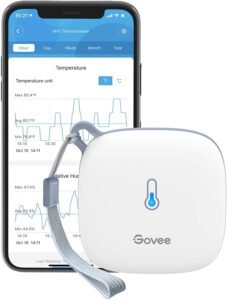
- Temperature: 60–67°F (16–19°C) helps the body drop core heat.
- Darkness: blackout curtains, eye mask, cover bright LEDs.
- Noise: white noise or a fan can mask disruptive sounds.
- Bedding: breathable sheets, supportive pillow; wash regularly for comfort cues.
- Clutter: keep it minimal—your brain rests better in a tidy space.
These small changes reduce micro-awakenings and support deeper sleep.
View Govee WiFi Thermometer Hygrometer on Amazon
Sample night routines you can copy
The 30-Minute Minimalist
- Dim lights; phone on Do Not Disturb
- Warm shower; stretch 5 minutes
- Box breathing 5 minutes; journal 3 lines
- Lights out
View Phone Locker Time Locking Container on Amazon
The Parent Wind-Down
- Kids’ bedtime story—dim lamps only
- Prep lunches; quick tidy as a family
- Herbal tea, paper book, legs-up-the-wall
- Write tomorrow’s top 3; lights out
View Goodnight Moon on Amazon
The Screen-Heavy Student
- Set screen filter + app limit alarms
- Protein snack; 10-minute room reset
- Progressive muscle relaxation + meditation app (audio only)
- Eye mask, fan for white noise
View Ocushield Blue Light Screen Protector on Amazon
Troubleshooting: If you still can’t fall asleep
- Wide-awake in bed? Get up after ~20 minutes. Low light, read or breathe. Return when sleepy.
- Jet lag or shifts? Anchor a consistent wake time first; the night will follow.
- Waking at 3 a.m.? Try a small carb snack earlier in the evening and reduce alcohol.
- Mind racing? Increase the journaling block and add a longer exhale breath pattern.
If insomnia lasts >3 months, talk to your doctor about CBT-I, the gold-standard treatment.
FAQs
1) How long until a routine works?
Most people notice easier sleep within a week; full benefits build over 2–4 weeks of consistency.
2) Do I need to do all steps every night?
No. Pick a simple sequence you can repeat most nights (e.g., dim-shower-breathe-journal).
3) Is melatonin safe?
Short-term, low doses can help circadian timing. Ask your clinician if you’re pregnant, on meds, or have chronic issues.
4) What time should I stop caffeine?
At least 8–10 hours before bed (early afternoon for most).
5) Can exercise help me sleep faster?
Yes—especially morning or afternoon workouts. Keep intense sessions >3 hours before bedtime.
Also see: Upper Body Dumbbell Workout at Home: The Plan
Conclusion: Your calm evening starts tonight
Better sleep begins before your head hits the pillow. Build a short, kind routine, repeat it for seven nights, and watch your body learn the cue. You’ll fall asleep faster, wake more refreshed, and look forward to evenings again.


One Comment