High-Protein Meal Plan on a Budget (Beginner Guide)
Want to build muscle, stay full longer, and save money? You can do all three with a smart, high protein meal plan for beginners on a budget. You don’t need fancy powders or a chef’s kitchen—just affordable ingredients, a simple plan, and one hour of prep. Below you’ll find the exact steps, cheap protein sources, and sample meals (many under $5 per serving) to help you start today.
View 100% Whey Gold Standard on Amazon
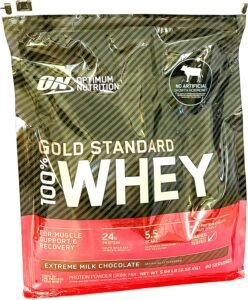
Table of Contents
- Why protein matters when you’re budgeting
- How to build a budget-friendly, high-protein plan
- Affordable high-protein foods (and why they’re great)
- 7-day beginner diet plan (protein meals under $5)
- Budget meal prep: step-by-step
- Simple protein meals under $5 (with rough protein)
- Smart shopping tips to lower costs
- Beginner diet plan: portions & protein targets
- FAQs
- Conclusion: You can start today
Why protein matters when you’re budgeting
Protein helps you maintain and build muscle, recover from workouts, and stay satisfied so you’re not snacking all day. That’s great for your body and your wallet. When your meals are balanced with protein, you tend to eat fewer empty calories and waste less food. For most beginners, a good starting point is 0.7–0.8 grams of protein per pound of body weight (or 1.6–1.8 g/kg). If that feels like too much at first, aim for 25–35 g per meal and 10–20 g for snacks. Choose affordable high protein foods and cook them in batches to cut costs.
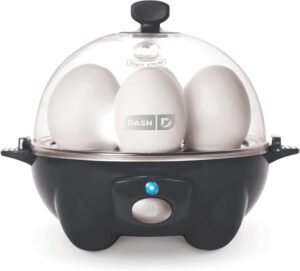
View Rapid Egg Cooker on Amazon
How to build a budget-friendly, high-protein plan
Step 1: Set a realistic protein target
Pick a daily goal, then break it into 3 meals + 1 snack. Example: 140 g/day → ~35 g per meal plus a 35 g snack.
Step 2: Choose cheap protein sources
Eggs, canned tuna, chicken thighs, tofu, dry beans/lentils, cottage cheese, Greek yogurt, and peanut butter are winners.
Step 3: Build your plate
Use the 40/30/30 template: 40% vegetables/fruit, 30% protein, 30% smart carbs (rice, oats, tortillas, potatoes).
Step 4: Batch cook once or twice a week
Cook grains, roast proteins, and chop veggies. Portion into containers for fast budget meal prep.
Step 5: Season simply
Salt, pepper, garlic powder, chili flakes, and soy sauce can make anything taste good on a budget.
Affordable high-protein foods (and why they’re great)
- Eggs (6–7 g each): Versatile and cheap. Scramble, boil, or bake in muffin tins.
- Canned tuna/salmon (20–26 g per can): Shelf-stable, quick lunches.
View Wild Planet Wild Albacore Tuna on Amazon - Chicken thighs (22–25 g per 4 oz): Cheaper and more forgiving than breasts.
- Dry lentils/beans (15–18 g per cup cooked): Super low-cost protein + fiber.
- Tofu/tempeh (14–20 g per 4 oz): Great for meatless days.
View Silken Tofu Extra Firm on Amazon - Greek yogurt (15–20 g per cup) & cottage cheese (24 g per cup): Protein-packed snacks.
- Edamame (17 g per cup): Frozen, fast, and filling.
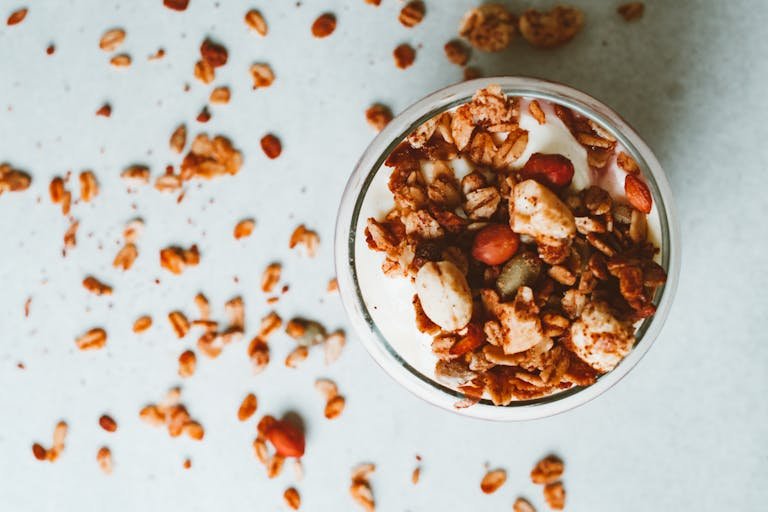
- Oats (5–6 g per ½ cup) + peanut butter (7–8 g per 2 Tbsp): Breakfast that actually keeps you full.
View Cascadian Farm Organic Granola, Oats and Honey Cereal on Amazon - Whey or soy protein (20–25 g per scoop): Optional, not required.
7-day beginner diet plan (protein meals under $5)
How to use it: Repeat favorite days, swap similar items, and adjust portions to your protein target.
Day example (repeat/rotate):
- Breakfast: Greek yogurt (1 cup) + oats (½ cup) + frozen berries + peanut butter drizzle. ~35 g protein.
- Lunch: Tuna rice bowl—canned tuna, cooked rice, frozen peas, soy sauce, chili flakes. ~35 g.
- Snack: Cottage cheese (1 cup) + apple. ~26 g.
- Dinner: Sheet-pan chicken thighs, potatoes, and carrots. ~40 g.
Other easy swaps for the week
- Egg burritos: Eggs, beans, salsa in tortillas.
- Lentil chili: Lentils, beans, diced tomatoes, chili spices (freeze extras).
- Tofu stir-fry: Tofu, mixed frozen veggies, rice, soy sauce.
- Salmon pasta: Canned salmon, whole-wheat pasta, lemon, olive oil.
Most meals cost $1.50–$4.50 per serving depending on store and location.
Budget meal prep: step-by-step
- Shop once: Buy proteins in bulk (thighs, eggs, dry beans), big bags of frozen veg, and store-brand grains.
- Cook big batches:
- Bake a tray of chicken thighs.
- Cook 6–8 cups of rice or potatoes.
- Simmer a pot of lentils or chili.
- Portion wisely: Use 3–5 containers to pack lunches/dinners for 3–4 days.
- Freeze extras: Chili, cooked chicken, and rice freeze well—perfect for no-cook nights.
- Flavor last: Add salsa, soy sauce, or hot sauce when reheating to keep meals interesting.
Simple protein meals under $5 (with rough protein)
- Tofu veggie stir-fry: Tofu + frozen stir-fry mix + rice + soy sauce (~35 g).
- Egg & bean burritos: 2 eggs + ½ cup black beans + salsa + tortillas (~28–30 g).
- Tuna potato salad: Canned tuna + boiled potatoes + yogurt + pickles (~35 g).
- Lentil bolognese: Lentils + crushed tomatoes + pasta + garlic (~28–32 g).
- Greek yogurt bowl: Yogurt + oats + banana + PB (~30–35 g).
Smart shopping tips to lower costs
- Buy store brands and check unit prices (price per ounce).
- Choose dry beans/lentils over canned when possible.
- Stock up on frozen produce—it’s cheap, lasts months, and avoids waste.
- Grab family-size packs of chicken thighs or yogurt, then portion/freeze.
- Shop weekly sales and build meals around discounts.
- Keep a reusable list of staples: eggs, tuna, rice, oats, beans, yogurt, carrots, onions, garlic, frozen veg.
Beginner diet plan: portions & protein targets
- Protein: 0.7–0.8 g per lb body weight (or 25–35 g per meal).
- Carbs: Fill the rest with budget-friendly staples (rice, oats, potatoes, pasta, tortillas).
- Fats: Olive oil, nuts, peanut butter, and egg yolks keep meals satisfying.
- Plate guide: ½ veggies/fruit, ¼ protein, ¼ carbs for weight management; raise carbs if training hard.
- Hydration: 6–8 cups water per day; add electrolytes or salt a bit more in hot weather.
FAQs
1) Do I need protein powder to hit my goal?
No. Powder is optional. You can reach your target with eggs, tuna, yogurt, lentils, chicken, and tofu.
2) How do I keep from getting bored?
Use base recipes (rice bowls, burritos, stir-fries) and rotate sauces: salsa, BBQ, buffalo, garlic soy, or lemon herb.
3) Can I do this if I’m vegetarian?
Yes—use tofu, tempeh, lentils, beans, cottage cheese, Greek yogurt, and edamame. Aim for 25–35 g per meal.
4) How much will this cost weekly?
Most beginners spend $35–$55 per week shopping smart with bulk buys, store brands, and frozen produce.
5) What if I’m short on time?
Cook once (Sunday), portion 6–8 meals, and freeze half. Keep tuna, yogurt cups, and tortillas for 5-minute backups.
Also See: Best Small-Space Home Gym Gear for 2025
Conclusion: You can start today
You don’t need a big budget to eat for strength. With a simple plan, cheap protein sources, and quick budget meal prep, you’ll hit your goals without stressing your wallet. Want help? Download the free 7-day protein meal plan and grocery list to get started this week.



One Comment