
Foods and Supplements That Support Better Sleep
Simple, tasty choices to calm your body and quiet your mind
Trouble drifting off? You’re not alone. What you eat—and when you eat—can nudge your body toward deeper rest or keep it buzzing. This guide to foods and supplements that support better sleep shows you how everyday groceries and a few natural sleep supplements can improve your nightly wind-down. We’ll keep it friendly, science-aware, and practical, so you can build an evening routine that actually fits a busy life.
Table of Contents
- Why food & nutrients matter for sleep
- Best foods for sleep (easy wins you can buy today)
- Natural sleep supplements (what helps and how to use them)
- Simple bedtime snack ideas (10 minutes or less)
- 7-day mini plan: add foods & supplements to your routine
- What to avoid before bed (quiet the overstimulators)
- FAQs
- Conclusion
Why food & nutrients matter for sleep
Sleep chemistry runs on inputs: light, movement, stress signals—and nutrients. Amino acids like tryptophan (View tryptophan on Amazon) help your body make melatonin and serotonin. Minerals such as magnesium for sleep ease muscle tension and support a calm nervous system. Gentle carbs help shuttle tryptophan across the blood–brain barrier. Put together, smart choices in the evening can help you fall asleep faster and stay asleep longer.
View tryptophan on Amazon
Best foods for sleep (easy wins you can buy today)
Fruits (natural “melatonin foods”)
- Tart cherries (juice or whole) – naturally contain melatonin; sip a small glass 1–2 hours before bed. View Tart cherries Mat on Amazon
- Kiwifruit – linked to better sleep efficiency; try 1–2 after dinner. View Kiwifruit on Amazon
- Banana – offers magnesium & vitamin B6 (cofactor for neurotransmitters). View Banana on Amazon
- Why it helps: Gentle carbs + micronutrients support melatonin rhythms without heavy fullness.
Nuts & seeds
- Almonds, walnuts, pistachios – provide magnesium and small amounts of melatonin.
View Almonds on Amazon
View walnuts on Amazon
View pistachios on Amazon - Pumpkin seeds – rich in magnesium and tryptophan. View tryptophan on Amazon
How to use: A small handful (not a giant bowl) as a bedtime snack 60–90 minutes before lights out.
Dairy & high-tryptophan proteins
- Warm milk or Greek yogurt – protein + tryptophan; add cinnamon or honey. View tryptophan on Amazon
- Turkey or cottage cheese – steady protein to prevent 2 a.m. hunger.
Tip: Keep portions light so you’re satisfied, not stuffed.
Calming herbal teas (caffeine-free)
- Chamomile, lemon balm, passionflower – soothing botanicals for your wind-down.
View Chamomile on Amazon
View lemon balm on Amazon
View passionflower on Amazon - Decaf rooibos – cozy, mineral-rich, zero caffeine.
When: Brew 30–60 minutes before bed; keep it unsweetened or lightly sweetened.
View Decaf rooibos on Amazon
Smart complex carbs
- Oats, whole-grain toast, quinoa, sweet potato – steady release carbs that pair well with protein.
Why it helps: A small carb serving can promote sleep onset by helping tryptophan do its job.
View tryptophan on Amazon
Natural sleep supplements (what helps and how to use them)
Always check with your clinician if you’re pregnant, nursing, have a medical condition, or take medications.
Magnesium (glycinate or citrate)
- What it does: Supports relaxation, muscle ease, and nervous system balance.
- How to take: 200–400 mg magnesium glycinate 1–2 hours before bed (gentle on the stomach).
- Good to know: Avoid stacking multiple magnesium products to prevent GI upset.
View Magnesium on Amazon

Melatonin (low dose, short term)
- What it does: Shifts sleep timing; most helpful for jet lag or schedule resets.
- How to take: 0.3–1 mg 60–90 minutes before bed (start low).
- Good to know: Not a sedative; think of it as a clock signal, not a sleeping pill.
View Melatonin on Amazon

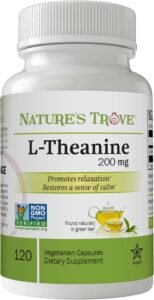
L-Theanine
- What it does: Green-tea amino acid that promotes a relaxed, focused calm.
- How to take: 100–200 mg in the evening or at lights-out.
- Pairs well with: Magnesium; useful if your mind races at bedtime.
View L-Theanine on Amazon
Valerian root (or passionflower)
- What it does: Traditional botanicals used for sleep latency (time to fall asleep).
- How to take: Look for standardized extracts; many people dose 30–60 minutes before bed.
- Note: Can interact with some meds—check with your provider.
View Valerian root on Amazon

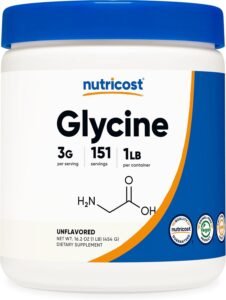
Glycine
- What it does: Amino acid that may lower core body temperature and improve perceived sleep quality.
- How to take: 3 g powder or capsules ~30–60 minutes before bed.
View Glycine on Amazon
“Vitamins that improve sleep quality”
- B6 (cofactor in neurotransmitter production) and vitamin D (daytime mood/clock support) matter most if you’re deficient.
View B6 Phosphate on Amazon - Iron or B12 deficiencies can also affect energy and rest—test, don’t guess.
View Nutricost Vitamin B12 on Amazon
Simple bedtime snack ideas (10 minutes or less)
- Greek yogurt + tart cherry juice swirl (protein + melatonin foods)
View Greek yogurt on Amazon
View Tart Cherry Juice on Amazon - Whole-grain toast + peanut butter + banana slices (carbs + magnesium)
View Whole-grain toast on Amazon
View peanut butter on Amazon
View banana slices on Amazon - Cottage cheese + kiwi (protein + sleep-friendly fruit)
View Cottage cheese on Amazon
View kiwi on Amazon - Warm milk with cinnamon + a few almonds (classic, calming)
View Warm milk with cinnamon on Amazon
View Almonds on Amazon
Aim to finish snacks 60–90 minutes before bed.
7-day mini plan: add foods & supplements to your routine
Days 1–2: Build the base
- Swap late coffee for herbal tea.
View herbal tea on Amazon - Add magnesium glycinate at night if appropriate.
View magnesium glycinate on Amazon - Choose a light carb + protein snack if you’re hungry after dinner.
View carb + protein snack on Amazon
Days 3–4: Layer in sleep foods
- Try tart cherries or kiwi after dinner.
View Tart cherries Mat on Amazon
View kiwi on Amazon - Add leafy greens or pumpkin seeds to dinner for extra magnesium.
View leafy greens on Amazon
View pumpkin seeds on Amazon
Days 5–7: Fine-tune
- If shifting your schedule, test low-dose melatonin 60–90 min pre-bed (short term).
View melatonin on Amazon - Keep screens low/away and dim lights to help nutrients do their best work.
What to avoid before bed (quiet the overstimulators)
- Caffeine within 8–10 hours of bedtime
- Alcohol late at night (fragmented sleep)
- Spicy or heavy meals right before bed
- Big sugar hits (blood-sugar rollercoaster → 3 a.m. wakeups)
FAQs
Which foods should I avoid before bed?
Caffeine, alcohol, large spicy meals, and big desserts. They can spike alertness, reflux, or night sweats.
Is melatonin safe to take daily?
Short-term low doses are generally considered safe for adults. For long-term use or if you’re on medications, discuss with your clinician.
What’s the best bedtime snack?
A small protein + complex carb combo: yogurt with tart cherry, toast with nut butter and banana, or cottage cheese with fruit.
Can magnesium help every night?
Many people take magnesium for sleep nightly without issues; choose glycinate and stay within 200–400 mg unless your provider advises otherwise.
Do I need supplements if I eat well?
Not always. Start with best foods for sleep and add supplements for specific goals (schedule shift, racing mind, muscle tension).
Also see: Daily 10-Minute Exercise: A Small Habit with Big Results
Conclusion
Better sleep isn’t only about blackout curtains and fewer screens—it’s also on your plate. Lean on melatonin foods, calming teas, mineral-rich snacks, and targeted natural sleep supplements to make nights easier and mornings brighter.
CTA: Try adding these foods and supplements to your evening routine this week—and track how you feel in the morning.