
Best Kettlebells for Home: Which Weight and Coating to Buy
Kettlebells are tiny space-savers with huge payoffs—strength, cardio, and mobility in one tool. But the best kettlebells for home—which weight and coating to buy—can feel confusing. The handle finish changes your grip. The coating affects durability and floor protection. And choosing the right weight can make the difference between progress and frustration. This home kettlebell guide breaks it down clearly so you can buy once and lift for years.
View kettlebell on Amazon
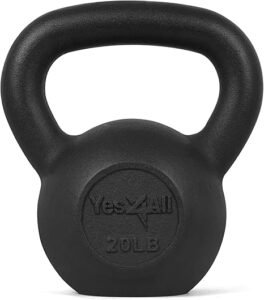
Table of Contents
- Quick answer (if you’re in a hurry)
- Coatings & Finishes Compared (feel, durability, floor-friendliness)
- Which weight should you buy? (simple decision path)
- Kettlebell Weight Chart (at a glance)
- Handle, Bell Shape & Comfort (small details that matter)
- Pros & Cons Recap (coatings)
- Safety & Grip Tips (read this before your first set)
- Example setups for common goals
- FAQs
- Conclusion: Pick your best kettlebell for home
Quick answer (if you’re in a hurry)
- Most people do best with a powder-coated cast iron kettlebell (great grip + durability).
- Beginner kettlebell weight (general starting points):
- Newer lifters: 8–12 kg (18–26 lb)
- Active beginners: 12–16 kg (26–35 lb)
- Intermediate: 16–24 kg (35–53 lb)
- Start lighter for presses/Turkish get-ups, go a size heavier for swings.
View kettlebell on Amazon
Coatings & Finishes Compared (feel, durability, floor-friendliness)
Powder-Coated Cast Iron (the all-rounder)
Why it’s popular: Textured matte finish = confident grip with or without chalk. Durable and weather-resistant.
Pros
- Excellent grip; less slippery when sweaty
- Tough finish resists chips
- Works for all lifts (swings → snatches)
Cons - More expensive than basic vinyl
- Can scuff floors—use a mat
Best for: Most home lifters who want one bell that does everything (powder coat vs vinyl kettlebell winner for grip).
View kettlebell on Amazon
Bare/Gloss Cast Iron
Pros
- Often budget-friendly; classic feel
- Solid balance; long-lasting
Cons - Glossy paint can get slick
- More prone to chipping/rust if neglected
Best for: Value seekers who will store indoors and don’t mind occasional maintenance (cast iron kettlebell care matters).
View kettlebell on Amazon
Vinyl-Coated (colorful bell with dipped base)
Pros
- Quiet when set down; gentle on floors
- Color coding makes weights easy to spot
Cons - Vinyl on the handle can be slick; some models have seams
- Chips/peels over time
Best for: Light conditioning and easy calorie sessions where floor protection matters more than max grip.
View kettlebell on Amazon
Rubber-Coated (full or base-only)
Pros
- Great floor and noise protection; less scuffing
- Good choice for apartments
Cons - If the handle is rubberized, it may tug skin or feel “grabby”
- Heat/humidity can degrade some rubbers
Best for: Rubber coated kettlebells shine when noise control is critical; just ensure a bare metal/powder handle.
Pro tip: Whatever you buy, prioritize a bare steel or powder-coated handle for consistent grip. Keep coatings on the bell/body, not the gripping surface.
View kettlebell on Amazon
Which weight should you buy? (simple decision path)
Think about two lift categories:
- Ballistics (swings, cleans, snatches): You can usually go heavier.
- Grinds (press, squat, get-up): You’ll likely go lighter for control.
Beginner starting points
- Brand-new to lifting or returning:
- Women: 8–12 kg (18–26 lb)
- Men: 12–16 kg (26–35 lb)
- Already active (you lift, run, or play sports):
- Women: 12–16 kg (26–35 lb)
- Men: 16–20 kg (35–44 lb)
View kettlebell on Amazon
One-bell vs two-bell strategy
- One bell only: pick the heaviest weight you can swing with perfect form for 10–15 reps, and do presses/get-ups with fewer reps.
- Two bells to start: choose one lighter (press/get-ups) and one heavier (swings). Example: 12 kg + 16 kg, or 16 kg + 20 kg.
Kettlebell Weight Chart (at a glance)
| Experience | Ballistics (swings) | Grinds (press/TGU) |
|---|---|---|
| New/De-conditioned | 8–12 kg (18–26 lb) | 6–10 kg (13–22 lb) |
| Active Beginner | 12–16 kg (26–35 lb) | 8–12 kg (18–26 lb) |
| Intermediate | 16–24 kg (35–53 lb) | 12–20 kg (26–44 lb) |
Adjust up/down based on shoulder health, body size, and recent training.
Handle, Bell Shape & Comfort (small details that matter)
- Handle diameter: ~30–33 mm suits most hands. Extra-thick handles fatigue grip early.
- Single-cast construction: Fewer seams = fewer hotspots on cleans/snatches.
- Window size (space between bell and handle): You want enough room for a comfortable rack position without smashing forearms.
- Competition (steel) vs classic (cast iron): Competition bells are uniform size across weights (great for technique consistency), but this article focuses on coatings—both comp and classic often come in powder coat.
View kettlebell on Amazon
Pros & Cons Recap (coatings)
Powder Coat
- Pros: Best grip, durable, chalk-friendly
- Cons: Costs a bit more; can scuff floors
- Pick it if: You want a do-everything bell that lasts
Vinyl
- Pros: Floor-friendly, colorful, budget
- Cons: Potentially slick handles; can peel
- Pick it if: You prioritize price/floor protection for light workouts
Rubber Coated
- Pros: Quiet, protects floors/furniture
- Cons: Handle friction if coated; heat can age rubber
- Pick it if: Apartment living, early-morning workouts, noise control
Bare/Gloss Cast Iron
- Pros: Affordable, classic feel
- Cons: Can chip/rust; slippier when sweaty
- Pick it if: You’ll store inside and maintain it
View kettlebell on Amazon
Safety & Grip Tips (read this before your first set)
- Always warm up wrists/shoulders (arm circles, hip hinges).
- Neutral wrist in the rack—don’t bend back.
- For snatches/cleans, let the bell roll around the hand; don’t “fling” it over.
- Use a mat to protect floors and reduce noise.
- Chalk + towel beat gloves for sweat management.
- Inspect bells occasionally for chips or sharp seams; lightly sand rough spots on iron.
Example setups for common goals
Fat-loss & conditioning (small space)
- Powder-coated cast iron
- One bell: 12 or 16 kg to start (choose based on your swing)
- Focus on swings, cleans, squats, with short intervals
Strength focus (presses/TGU)
- Two bells: lighter for grinds (8–12 kg), heavier for swings (16–20 kg)
- Progress by reps or time under tension rather than constant weight jumps
Family/partner share
- Pick two adjacent sizes (e.g., 12 kg + 16 kg).
- Everyone uses the lighter bell for grinds, heavier for ballistics.
View kettlebell on Amazon
FAQs
What coating is best for floors?
Rubber or vinyl-coated bodies are kinder to floors, but ensure the handle is bare metal or powder coat for grip. A mat is still the best insurance.
How heavy should a beginner start?
Most true beginners do well with 8–12 kg (women) or 12–16 kg (men). Start with perfect form and add weight when sets feel crisp.
Powder coat vs vinyl kettlebell—which is better?
For grip and longevity, powder coat wins. Vinyl wins for budget and floor protection but may feel slippery at the handle.
Cast iron care—will it rust?
If stored in humid spots, yes. Wipe dry, avoid leaving sweat on the bell, and apply a thin coat of 3-in-1 oil or similar occasionally.
Do I need multiple kettlebells?
Not at first. One well-chosen bell can cover months of progress. Add a second when you’re pressing it easily for sets of 8–10.
View kettlebell on Amazon
Also see: Best Kettlebells for Home: Which Weight and Coating to Buy
Conclusion: Pick your best kettlebell for home
If you want a single, reliable choice, go with a powder-coated cast iron kettlebell in a beginner kettlebell weight that you can swing cleanly for 10–15 reps. Add a heavier partner later for swings or a lighter one for strict presses. Simple gear, strong results.
CTA: Ready to train? Pick the best kettlebell setup for your home gym needs, lay down a mat, and start with 10 minutes of swings, squats, and get-ups—consistency builds strength.
View kettlebell on Amazon