Essential Home Gym Equipment for Beginners: A Starter Guide | kitchen setup guide
Building a personal training space is an exciting milestone that removes the friction of commuting to a commercial facility, allowing you to focus entirely on your physical development. When you’re looking for essential home gym equipment for beginners, the goal is to prioritize versatility and floor space efficiency. By selecting items that offer multi-joint movement patterns, you can achieve a full-body workout without needing an entire basement dedicated to heavy machinery. This guide focuses on scalable tools that grow with your strength levels, ensuring your investment serves you for years to come.
Key Takeaways
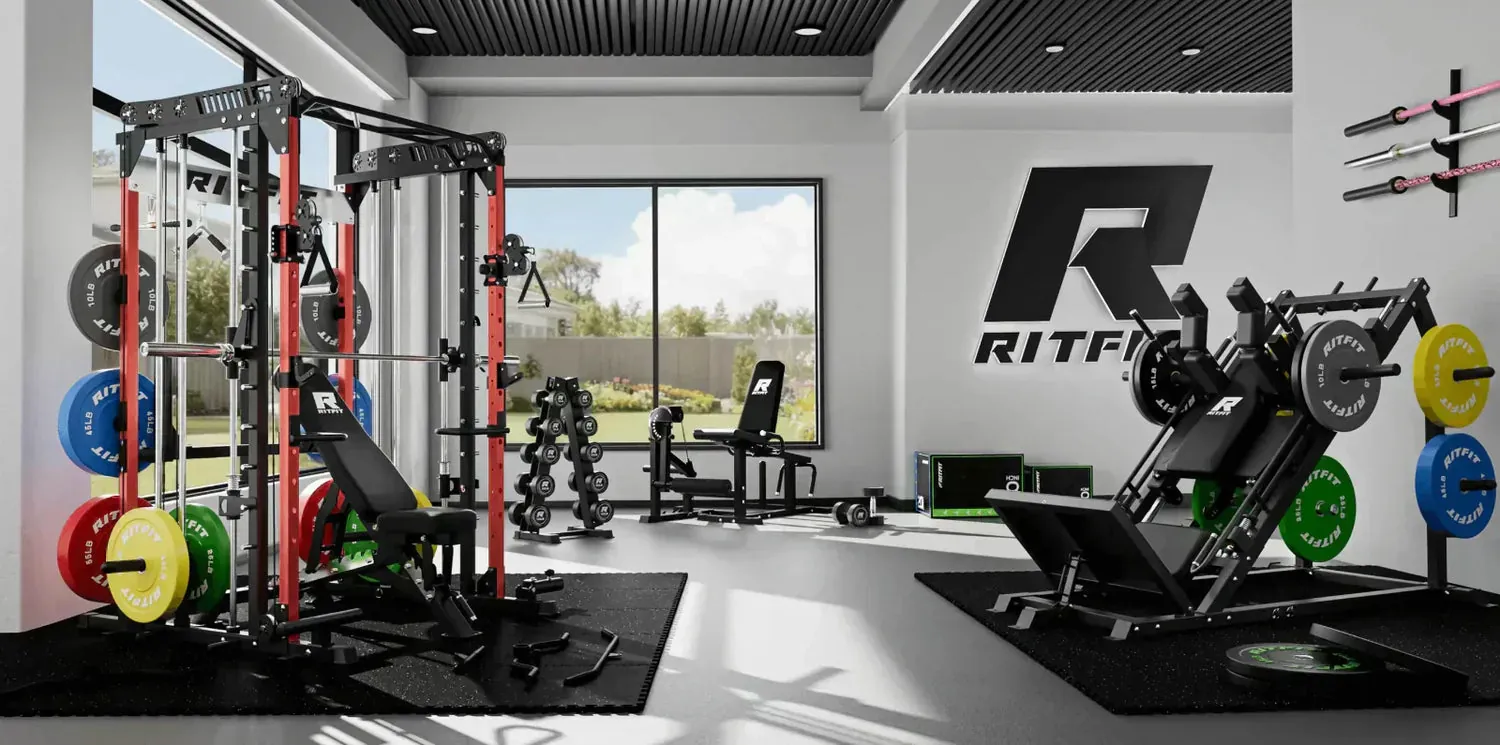
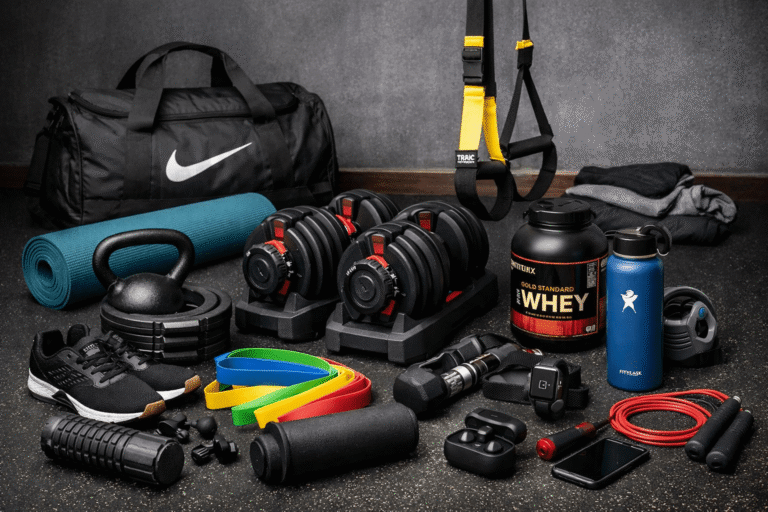
- Start with adjustable dumbbells or kettlebells to maximize variety while minimizing your physical footprint.
- Prioritize a high-quality, non-slip exercise mat to protect your joints and floors during floor-based movements.
- Incorporate resistance bands to add tension to bodyweight exercises without the high cost of heavy iron plates.
- Focus on multi-joint, compound movements that utilize your entire body to build functional strength and endurance.
- Ensure your chosen space has adequate ventilation and firm, level flooring to maintain safety during heavy lifting.
What defines a functional starter gym?
A functional starter setup is defined by its ability to provide progressive overload, which is the practice of gradually increasing the weight, frequency, or number of repetitions in your strength training routine. For most, this means moving away from single-purpose machines and toward freeweight training. Freeweights require your stabilizing muscles to work harder, which translates better to everyday life movements.
| Equipment Type | Primary Use | Space Requirement |
|---|---|---|
| Adjustable Dumbbells | Strength/Hypertrophy | Low |
| Resistance Bands | Mobility/Tension | Minimal |
| Yoga/Exercise Mat | Safety/Comfort | Low |
| Kettlebell | Power/Cardio | Minimal |
| Pull-up Bar | Upper Body Strength | Wall/Doorframe |
Why choose adjustable over fixed dumbbells?
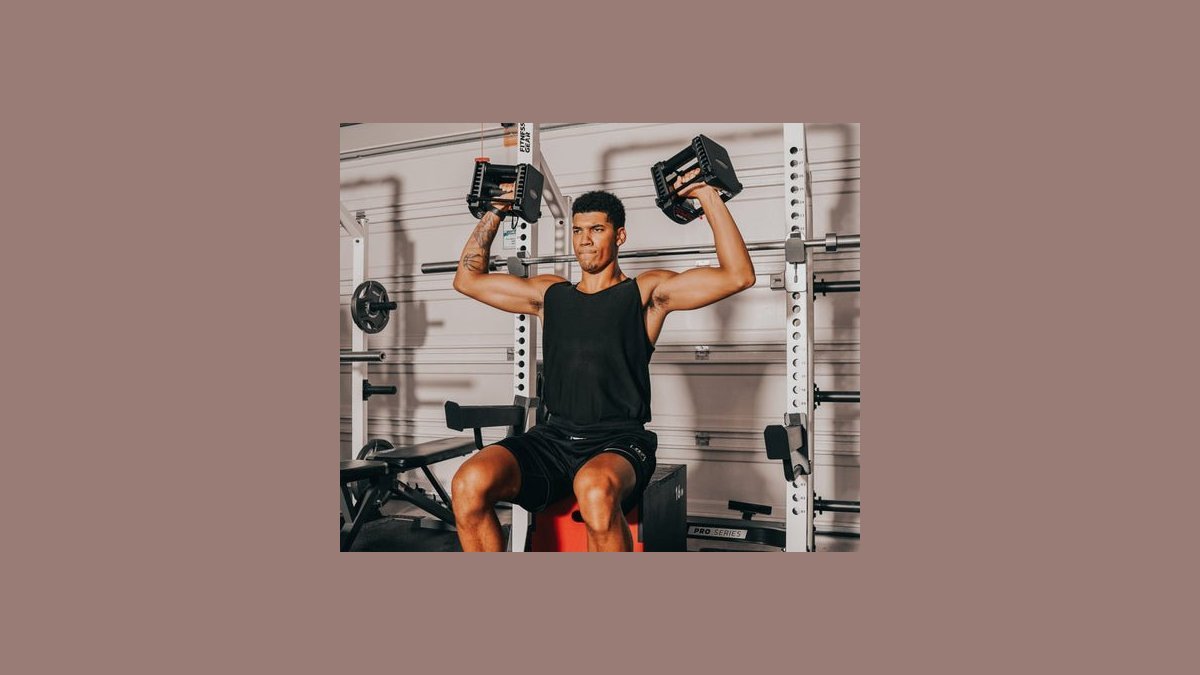
Fixed dumbbells are convenient, but they occupy significant space and become expensive as you collect heavier pairs. Adjustable dumbbells allow you to change the weight load in seconds, often replacing an entire rack of equipment. When selecting a set, look for mechanisms that lock securely to prevent plates from shifting. These tools are the foundation of a home gym because they accommodate everything from light lateral raises to heavy goblet squats.
Are resistance bands actually effective?
Resistance bands provide variable resistance, meaning the tension increases as the band stretches. This is particularly useful for beginners because it allows for a safer learning curve for movements like rows, presses, and squats. They’re also lightweight, affordable, and easily stored in a drawer.
Using bands for dynamic warm-ups or as a supplement to bodyweight training can significantly increase your time under tension, which is a key driver for muscle growth. According to the Physical Activity Guidelines for Americans, adults should engage in muscle-strengthening activities involving all major muscle groups at least two days a week.
The importance of a reliable mat
A high-density exercise mat isn’t just for comfort; it’s a critical piece of safety gear. It provides the necessary grip to prevent slips during lunges or planks and protects your floor from potential impact. Look for mats that are at least 6mm thick and made of non-slip materials like natural rubber or high-quality PVC. A well-anchored mat ensures that your foundation is stable, which is vital when you’re learning proper form for new exercises.
How to optimize your training space?
You don’t need a dedicated room to start; a small corner of a bedroom or living area can suffice. The most important factor is creating a clear, dedicated zone that’s free from distractions and tripping hazards.
If you’re working on carpet, consider placing a rigid piece of plywood or heavy-duty rubber tiles under your mat to create a more stable surface for lifting. Consistent training environments help build the habit of working out by mentally signaling that it’s time to focus.
Assessing your specific strength goals
Before buying, ask yourself if you prefer endurance-based circuits or heavy, low-rep lifting. If your goal is general health and weight management, a mix of kettlebells and bands will be sufficient. If you want to build significant muscle mass, you’ll eventually need a pair of heavy dumbbells or a barbell system. Progressive resistance is the common denominator for all physical improvement, so choose equipment that allows you to increase the challenge as you get stronger.
Safety protocols for home training
Warning: Always consult with a physician before beginning any new exercise program, especially if you have pre-existing health conditions or mobility limitations. When training alone, ensure your environment is clear of sharp edges or heavy objects that could fall. If you’re performing heavy lifts, keep your phone nearby in case of an emergency and ensure you have a clear path to the exit. Learning proper form is essential to preventing injury, so watch instructional videos from certified professionals before attempting complex movements.
Can you train without a bench?
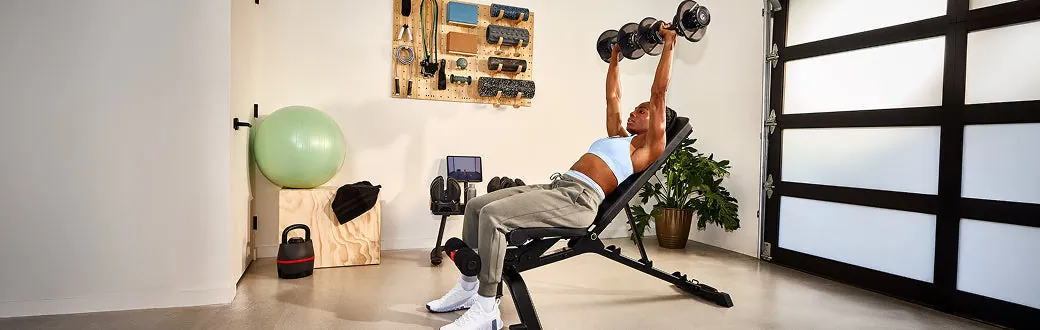
Many beginners feel they need a weight bench, but you can perform most exercises on the floor or by using sturdy household furniture for support. Floor presses, for instance, are an excellent way to train your chest and triceps without needing a bench.
As you progress, a foldable bench can be a great addition, as it allows for a wider range of motion for exercises like rows and incline presses. Versatile equipment is always better than specialized tools that only perform one job.
| Movement Pattern | Recommended Tool | Benefit |
|---|---|---|
| Push | Dumbbells/Bands | Chest/Shoulder Strength |
| Pull | Resistance Bands/Bar | Back/Bicep Strength |
| Squat | Kettlebell/Dumbbell | Lower Body Power |
| Hinge | Kettlebell | Posterior Chain Strength |
| Core | Exercise Mat | Stability/Balance |
Maintaining your gym equipment
To ensure your gear lasts, wipe down your dumbbells, bands, and mats after every session. Sweat can degrade rubber and foam over time, leading to premature wear. Check the locking mechanisms on your dumbbells or the tension on your bands weekly to ensure there are no cracks or signs of fatigue. Regular equipment maintenance is the best way to protect your financial investment and keep your workout space safe and hygienic.
Integrating cardio into your routine
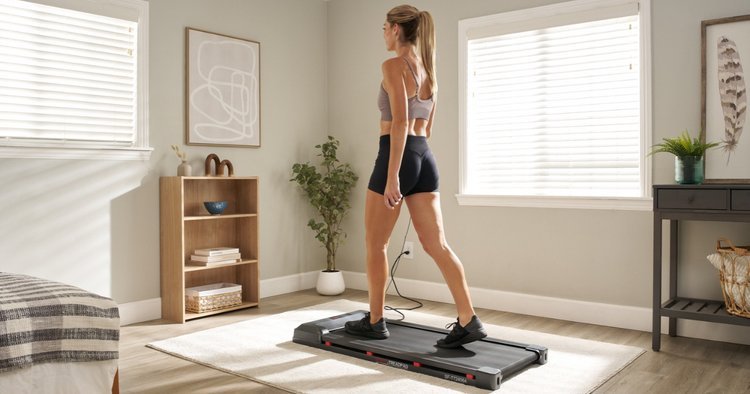
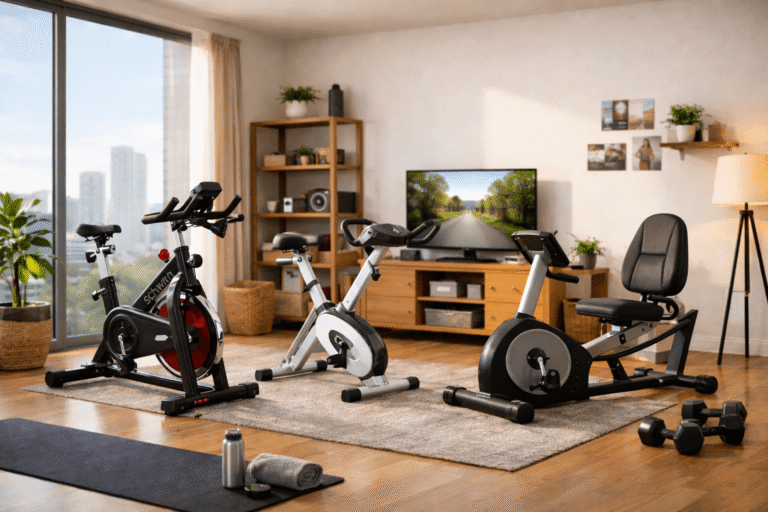
You don’t need a treadmill or an expensive stationary bike to get a great cardio workout. High-intensity interval training (HIIT) using bodyweight movements like mountain climbers, burpees, or jumping jacks can be done anywhere. If you enjoy low-impact cardio, a simple jump rope is one of the most effective and affordable tools available. Cardiovascular health is a vital component of your fitness journey, so find a method that you actually enjoy doing.
Frequently Asked Questions
How much space do I need for a basic gym?
You only need a space roughly equal to the size of a standard yoga mat, about 2 by 6 feet, to perform a full-body workout. If you have enough room to extend your arms and legs fully in all directions without hitting walls or furniture, you have sufficient space to begin your strength training journey effectively.
Should I buy cheap or expensive gear?
Prioritize quality over quantity. It’s better to have one set of high-quality adjustable dumbbells that will last for years than a dozen cheap, plastic-coated items that may break or lose their locking integrity. Invest in durable materials like cast iron or high-grade rubber to ensure your equipment remains safe and functional throughout your fitness progression.
How often should I train at home?
Most beginners see the best results by training three to four days per week. This frequency allows enough time for muscle recovery while keeping the habit consistent. Focus on full-body routines rather than body-part splits to ensure you hit all major muscle groups frequently, which is ideal for building a foundational level of strength and conditioning.
Can I get strong without heavy weights?
Yes, you can build significant strength by utilizing time under tension and increasing your repetition volume. Resistance bands and adjustable dumbbells allow you to manipulate the difficulty of any movement. By slowing down the tempo of your repetitions or focusing on explosive movements, you can provide enough stimulus to your muscles to encourage growth and strength gains without needing massive iron plates.
What is the most important piece of gear?
The most important piece of equipment is a pair of adjustable dumbbells. They’re the most versatile tool for building strength across every major muscle group. Combined with a stable exercise mat, they provide almost everything a beginner needs to perform a comprehensive, effective, and safe workout routine at home while keeping your space requirements to a minimum.
Pro Tip: If you find yourself losing motivation, try setting your equipment out the night before or keeping it in a visible area to act as a visual reminder of your commitment. You’re now prepared to curate a space that works for you, so start by clearing a small, dedicated area and performing a simple circuit of bodyweight squats and push-ups to build your initial momentum today.
Conclusion
Starting your fitness journey at home doesn’t have to be complicated or expensive. Once you’ve cleared a small corner for your gear, don’t wait for the perfect moment to begin. Just pick one simple movement and start practicing today. You’ll find that consistency is the real secret to reaching your goals.