What to Eat Before and After a Workout for Optimal Results | Fit Life Boost
You need to eat the right nutrients before and after a workout to support your fitness routine. Balancing carbohydrates, proteins, and fats provides the energy needed for intensity and the building blocks for muscle repair. Timing your intake to match your training schedule improves your results, whether you focus on endurance, strength, or general wellness.
Key Takeaways
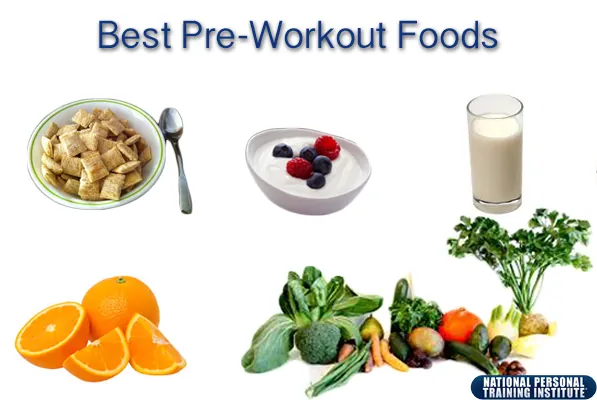
- Prioritize complex carbohydrates two hours before exercise to ensure a steady release of glucose.
- Consume a high-quality protein source within 60 minutes after your workout to stimulate muscle protein synthesis.
- Stay hydrated throughout the process, as even mild dehydration significantly impairs physical performance and cognitive focus.
- Avoid high-fiber or high-fat meals immediately before training to prevent digestive discomfort during your movement.
- Tailor your total caloric intake to your specific training volume and personal body composition goals.
What to Eat Before and After a Workout
The primary goal of your pre-workout meal is to top off your glycogen stores and provide readily available energy. When you consume nutrients before training, you allow your body to maintain peak power output, preventing the premature onset of fatigue. Conversely, your post-workout intake is designed to replenish depleted energy stores and kickstart the muscle repair process. By following this two-pronged approach, you minimize the risk of muscle breakdown and ensure you’re ready for your next session.
Pre-Workout Nutrition Strategy
Your pre-workout meal should be relatively low in fat and fiber to facilitate rapid digestion. If you have two to three hours before your session, you can consume a more substantial meal; if you’re eating 30 to 60 minutes before, focus on simple carbohydrates that provide quick energy. According to the Dietary Guidelines for Americans, maintaining a balanced intake that supports energy expenditure is vital for long-term health and athletic performance.
Recommended Pre-Workout Foods
- Oatmeal with sliced banana and a dash of cinnamon.
- Whole-grain toast topped with a thin layer of almond butter.
- Greek yogurt mixed with a handful of berries.
- A small portion of grilled chicken with white rice.
- A piece of fruit like an apple or orange.
Pro Tip: If you feel bloated during your workout, reduce the fiber content of your pre-exercise meal or move your meal time further away from the start of your training.
The Role of Macronutrients
Each macronutrient serves a specific purpose in your athletic journey. Carbohydrates are the primary fuel source for high-intensity training, while proteins act as the repair tools for damaged muscle fibers. Fats are essential for long-term health and hormonal regulation, though they should be minimized immediately before exercise because they slow down the gastric emptying process.
| Macronutrient | Function | Best Timing |
|---|---|---|
| Carbohydrates | Quick energy storage | Before and after |
| Protein | Muscle fiber repair | After |
| Healthy Fats | Hormone health | Distant from workout |
Post-Workout Recovery Essentials
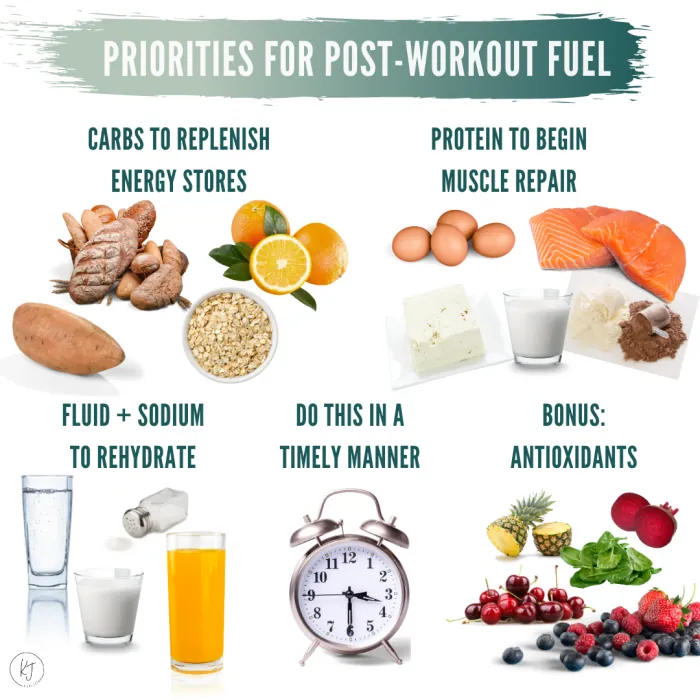
After you finish your training, your body is in a catabolic state, meaning it’s breaking down muscle tissue. Your post-workout meal should aim to shift your body into an anabolic state, which promotes muscle growth and recovery. Consuming a combination of high-quality protein and carbohydrates helps spike insulin levels, which facilitates the transport of amino acids into the muscle cells.
Effective Post-Workout Combinations
- Protein shake made with whey or plant-based protein powder and a banana.
- Canned tuna or salmon served on whole-grain crackers.
- Scrambled eggs with a side of sweet potato.
- Cottage cheese mixed with pineapple chunks.
- Lean beef strips with quinoa and steamed broccoli.
Hydration and Performance

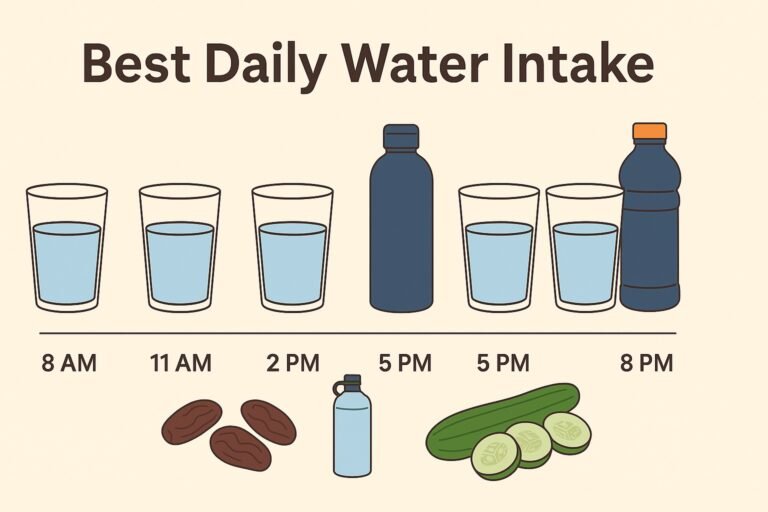
Hydration is often the most overlooked aspect of sports nutrition. Water regulates your body temperature, lubricates your joints, and transports nutrients to provide you with energy. If you’re dehydrated, your heart has to work harder to pump blood to your muscles, which drastically decreases your endurance and strength. Aim to drink water throughout the day rather than chugging a large volume right before you start your routine.
Meal Timing Schedules
The following table provides a general framework for when to time your meals based on your training window. Adjust these windows based on your individual digestion speed and the intensity of your exercise.
| Time Before/After | Goal | Food Focus |
|---|---|---|
| 2-3 Hours Before | Sustained energy | Complex carbs + moderate protein |
| 30-60 Min Before | Quick glucose spike | Simple carbs + minimal fiber |
| 0-60 Min After | Muscle repair | Fast-absorbing protein + carbs |
| 2 Hours After | Full recovery | Balanced meal (protein, carbs, fat) |
Managing Digestive Discomfort
Many athletes experience stomach distress, which is often caused by eating too close to a workout or choosing the wrong types of food. High-fat foods like fried items, heavy creams, and excessive nuts take a long time to digest and can lead to cramping or nausea. If you find yourself frequently experiencing discomfort, keep a food log to identify specific ingredients that might be triggering your symptoms during physical stress.
Warning: Always consult with a healthcare professional or a registered dietitian before making significant changes to your diet, especially if you have underlying health conditions or specific athletic performance targets.
Customizing Your Intake Needs
No two bodies are exactly the same, and your nutritional requirements will vary based on your age, weight, gender, and the type of exercise you perform. A marathon runner will require a significantly higher carbohydrate intake compared to someone focusing on light resistance training.
Pay attention to how your body feels during your workout; if you feel lightheaded or weak, you may need more carbohydrates. If you feel lethargic after eating, you may be consuming too many calories or the wrong composition of nutrients.
Why Do I Feel Tired?
Fatigue during a workout is often a sign of insufficient fueling. If you’re training in a fasted state, your liver glycogen stores may be depleted, leading to a drop in blood sugar. This is commonly referred to as “hitting the wall.” By ensuring you have a steady supply of glucose available, you can sustain higher intensity levels for longer periods. Additionally, monitor your sleep patterns, as no amount of nutrition can fully compensate for chronic sleep deprivation.
Supplements to Consider
While whole foods should always be your priority, supplements can be useful for convenience. Whey protein is widely used for its rapid absorption rate, making it an excellent choice for the post-workout window. Electrolyte powders can also be beneficial during long, intense sessions to replenish minerals lost through sweat. Always check labels for third-party testing to ensure the quality and safety of the products you choose.
Frequently Asked Questions
Should I eat before a morning workout?
If you can manage it, eating a light, carbohydrate-rich snack about 30 minutes before a morning session can improve your performance. If you feel nauseous eating early, you may prefer to train fasted, but keep in mind that your intensity might be lower. Listen to your body and experiment with small snacks like half a banana or a slice of toast to see what works best.
Does protein timing really matter?
While total daily protein intake is the most important factor for long-term muscle growth, consuming protein shortly after your workout is beneficial. It helps provide the necessary amino acids to stop muscle breakdown and start the repair process. Aim to eat or drink a quality protein source within an hour of finishing your training to maximize your recovery efforts.
How much water should I drink?
Aim to drink enough water so that your urine is a pale straw color. A simple rule is to drink about 16 to 20 ounces of water two hours before your workout, and another 8 ounces shortly before you begin. During your session, sip water consistently. After finishing, consume another 16 to 24 ounces for every pound of body weight lost during the activity.
Is it okay to eat fat after working out?
While your post-workout meal should focus on protein and carbohydrates, adding a small amount of healthy fat is generally fine. However, keep the portion small, as fat slows down the digestion of protein and carbohydrates. Since the primary goal after exercise is to get nutrients into your muscles quickly, prioritizing fast-digesting proteins and carbs remains the most effective strategy for immediate recovery.
Can I drink coffee before a workout?
Caffeine is a well-studied ergogenic aid that can improve focus and perceived effort during exercise. Drinking a cup of black coffee about 30 to 60 minutes before your session may help you train harder. Be mindful that caffeine affects everyone differently, and it can cause jitters or digestive issues for some individuals. Avoid adding excessive sugar or cream if you want to keep the snack light.
Conclusion
Consistency in your nutrition is just as important as consistency in your training. Start by experimenting with these meal timing strategies to see how your body responds over the next few weeks. Once you identify the specific foods and timings that help you feel most energized and recovered, make them a permanent part of your routine to support your long-term fitness goals.