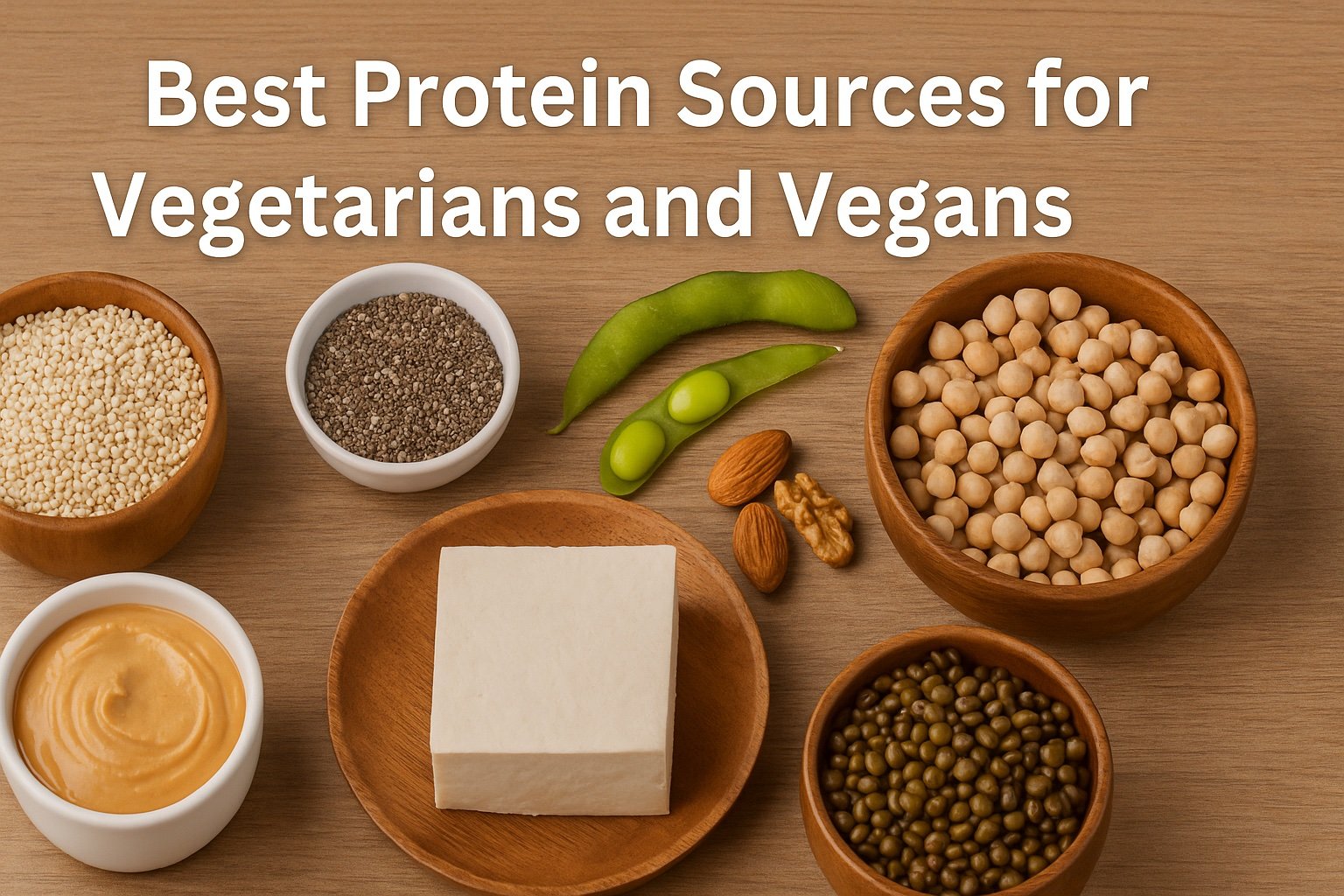
Best Protein Sources for Vegetarians and Vegans 2025
A practical and tasty guide to the best protein sources for vegetarians and vegans, including complete proteins, easy meal ideas, and smart Amazon picks so you can hit your protein goals without stress.
Outline Headline | What It Covers
| Outline Headline | What It Covers |
|---|---|
| Why protein matters on plant based diets | Muscle repair, hormones, fullness, daily targets |
| How much protein you need | Simple grams per kilogram by goal |
| Complete vs complementary proteins | Amino acids, pairing grains and legumes |
| Top legumes and pulses | Lentils, chickpeas, black beans, soybeans |
| Best soy foods for high protein | Tofu, tempeh, edamame, textured soy |
| High protein grains and pseudo grains | Quinoa, buckwheat, oats |
| Nuts, seeds, and butters | Hemp, chia, pumpkin, peanut and almond butter |
| Dairy and eggs for vegetarians | Greek yogurt, cottage cheese, eggs |
| Best protein powders for vegetarians and vegans | Pea, rice, soy, blends, how to choose |
| Budget friendly shopping list | Canned, dried, frozen options |
| Quick prep methods | Batch cooking, seasoning, storage |
| Sample one day menu | 100 gram protein example day |
| Common pitfalls to avoid | Low variety, low calories, low B12 and iron |
| Halal and clean label considerations | Alcohol free flavors, gelatin checks |
| FAQs | Six practical Q and A items |
Why Protein Matters On Plant Based Diets
Protein builds and repairs tissues, supports enzymes and hormones, and boosts fullness between meals. For active people or anyone seeking body recomposition, getting enough is essential. The best protein sources for vegetarians and vegans deliver not only grams of protein but also fiber, minerals, and phytonutrients that animal foods do not provide.
How Much Protein You Need
Use these easy ranges, then tweak for your size and training.
- General health: 0.8 to 1.0 grams per kilogram body weight
- Active or aiming to lose fat while keeping muscle: 1.2 to 1.6 g per kg
- Muscle gain or heavy training: 1.6 to 2.2 g per kg
Example: A 70 kg vegan who lifts three times per week can aim for about 105 grams per day.
Complete vs Complementary Proteins
A complete protein contains all nine essential amino acids in generous amounts. Soy, quinoa, buckwheat, and dairy are complete. Most legumes and grains are incomplete on their own, yet you can achieve a complete amino profile over the day by pairing foods like beans with rice or hummus with whole grain pita. Variety wins.
Top Legumes And Pulses
Legumes bring protein plus fiber that steadies blood sugar and supports gut health.
- Lentils
About 18 g protein per cooked cup. Amazing in soups and curries.
Try 365 by Whole Foods Market Organic Lentils. - Chickpeas
About 14 g per cooked cup. Roast for snacks or blend into hummus.
Try Roasted Chickpeas Sea Salt for a ready snack. - Black beans
About 15 g per cooked cup. Great for bowls and tacos.
Try Goya Black Beans Low Sodium. - Split peas
About 16 g per cooked cup. Classic for hearty soups.
Best Soy Foods For High Protein
Soy is a complete protein with versatile textures.
- Tofu
10 to 20 g per 100 g depending on firmness. Pan sear and glaze with tamari and ginger.
Try House Foods Organic Extra Firm Tofu. - Tempeh
18 to 20 g per 100 g and rich in probiotics. Crumble and sauté for tacos.
Try Lightlife Original Tempeh. - Edamame
17 g per cooked cup. Fast freezer staple.
Try Seapoint Farms Dry Roasted Edamame for crunchy snacks. - Textured vegetable protein
12 g per quarter cup dry. Hydrates into mince for bolognese.
Try Red Mill TVP.
High Protein Grains And Pseudo Grains
- Quinoa
Complete protein with 8 g per cooked cup. Cooks fast.
Try Red Mill Organic Quinoa. - Buckwheat
6 g per cooked cup and gluten free. Makes great noodles. - Oats
6 g per cooked cup plus soluble fiber. Stir in seeds to boost protein.
Try Bob’s Red Mill Quick Cooking Oats.
Nuts, Seeds, And Butters
Dense in nutrition and easy to add to bowls or smoothies.
- Hemp hearts
10 g per 3 tablespoons and a near complete amino profile.
Try Organic Hemp Seed. - Chia seeds
5 g per 2 tablespoons plus omega 3s and fiber.
Try Red Mill Whole Chia Seeds. - Pumpkin seeds
9 g per ounce and rich in magnesium.
Try Superfoods Organic Pumpkin Seeds. - Peanut or almond butter
7 g per 2 tablespoons. Choose no sugar added jars.
Portions are small but powerful. Sprinkle, stir, and spread.
Dairy And Eggs For Vegetarians
Not for strict vegans, but useful for lacto ovo vegetarians.
- Greek yogurt
15 to 20 g per serving and very versatile.
Try FAGE Total 2 Percent Greek Yogurt. - Cottage cheese
12 to 14 g per half cup. Works in savory bowls or fruit parfaits. - Eggs
6 g per egg plus choline. Pair with whole grains and vegetables.
Best Protein Powders For Vegetarians And Vegans
Protein powders make hitting daily goals much easier, especially around workouts or during busy weeks.
- Pea protein
Smooth and hypoallergenic.
Try Sports Pea Protein. - Soy protein
Complete amino acid profile with neutral taste.
Try Red Mill Soy Protein Isolate. - Plant blends
Pea plus rice or chia for better texture and amino balance.
Try Orgain Organic Protein Plant Based Powder.
Blend powders with soy milk for extra protein or with water if calories are a concern.
Budget Friendly Shopping List
- Dried lentils, split peas, chickpeas
- Canned beans for speed
- Frozen edamame and mixed vegetables
- Oats, quinoa, brown rice
- Peanut butter, chia, pumpkin seeds
- Tofu and tempeh multipacks
Buying dried beans in bulk and cooking in a pressure cooker saves money and time.
Quick Prep Methods
- Batch cook legumes on the weekend and freeze in 1 cup portions.
- Marinate tofu with soy sauce, garlic, and sesame oil, then bake until crisp.
- Crumble tempeh and simmer in tomato sauce for a rich meatless ragu.
- Stir seeds into oats or yogurt and keep small jars pre measured for grab and go.
Season boldly with spices like smoked paprika, cumin, curry powder, and nutritional yeast for a cheesy note.
Sample One Day Vegan Menu At 100 Grams Protein
- Breakfast
Oats cooked in soy milk with 2 tablespoons hemp hearts and blueberries
Approx 26 g protein - Snack
Smoothie with Orgain Organic Protein Plant Based Powder, spinach, and banana
Approx 25 g protein - Lunch
Quinoa bowl with baked tofu, edamame, and mixed vegetables
Approx 30 g protein - Snack
Roasted chickpeas and a small apple
Approx 10 g protein - Dinner
Lentil curry over brown rice with pumpkin seed sprinkle
Approx 20 g protein
Total around 111 g protein with generous fiber and micronutrients.
Common Pitfalls To Avoid
- Relying only on fruit and vegetables which are low in protein
- Forgetting iron, zinc, iodine, and B12 planning
- Skipping salty foods on hot training days when electrolytes help
- Eating too few calories which makes protein targets hard to reach
Consider a B12 supplement and use iodized salt or seaweed in moderation.
Halal And Clean Label Considerations
For packaged plant proteins and powders, confirm alcohol free flavor carriers, avoid gelatin capsules, and check for third party testing when possible. Many plant powders and snacks are naturally halal friendly but always read labels.
FAQs
Do vegans need complete proteins at every meal
No. Eat a variety of legumes, grains, nuts, and seeds across the day and you will meet your amino acid needs.
Is soy safe to eat regularly
For most healthy people, soy foods like tofu and tempeh are safe and support heart health. Choose minimally processed options.
Can I build muscle as a vegan
Yes. Aim for the higher end of protein ranges and include resistance training. Use protein powders if helpful.
What milk is highest in protein
Unsweetened soy milk typically has 7 to 9 g per cup which beats most other plant milks.
How do I hit protein if I am busy
Keep tofu, canned beans, edamame, and a plant protein powder on hand. Build bowls and smoothies in minutes.
What about digestive issues with beans
Soak and pressure cook legumes, start with lentils, and add small amounts of kombu or use digestive spices like cumin and fennel.
Conclusion
With the best protein sources for vegetarians and vegans, you can nourish muscle, manage appetite, and cook delicious meals with minimal fuss. Keep a rotation of legumes, soy foods, high protein grains, and seeds. Add a well chosen plant protein powder for convenience. Small, consistent habits will carry you to your daily target and make plant based eating powerful and enjoyable.


Thank you, it really helpful .
Really best website to learn and know about fitness.
best to learn vegan
Really best website to learn and know about fitness.